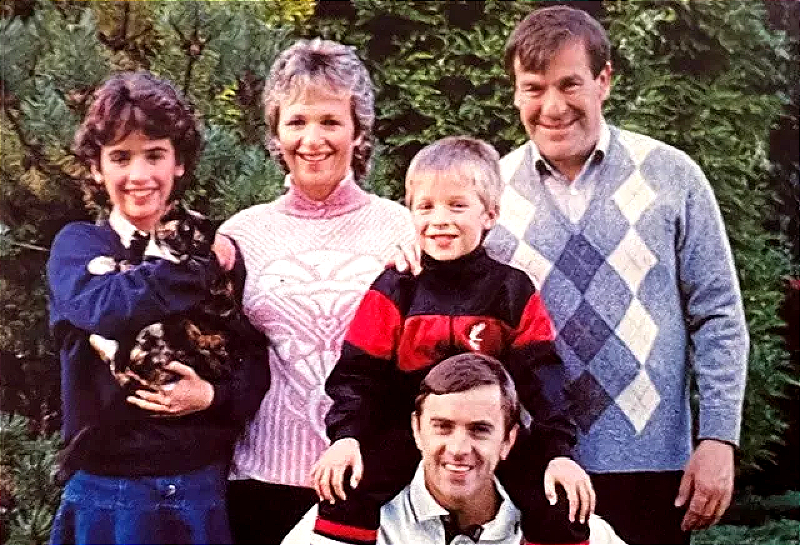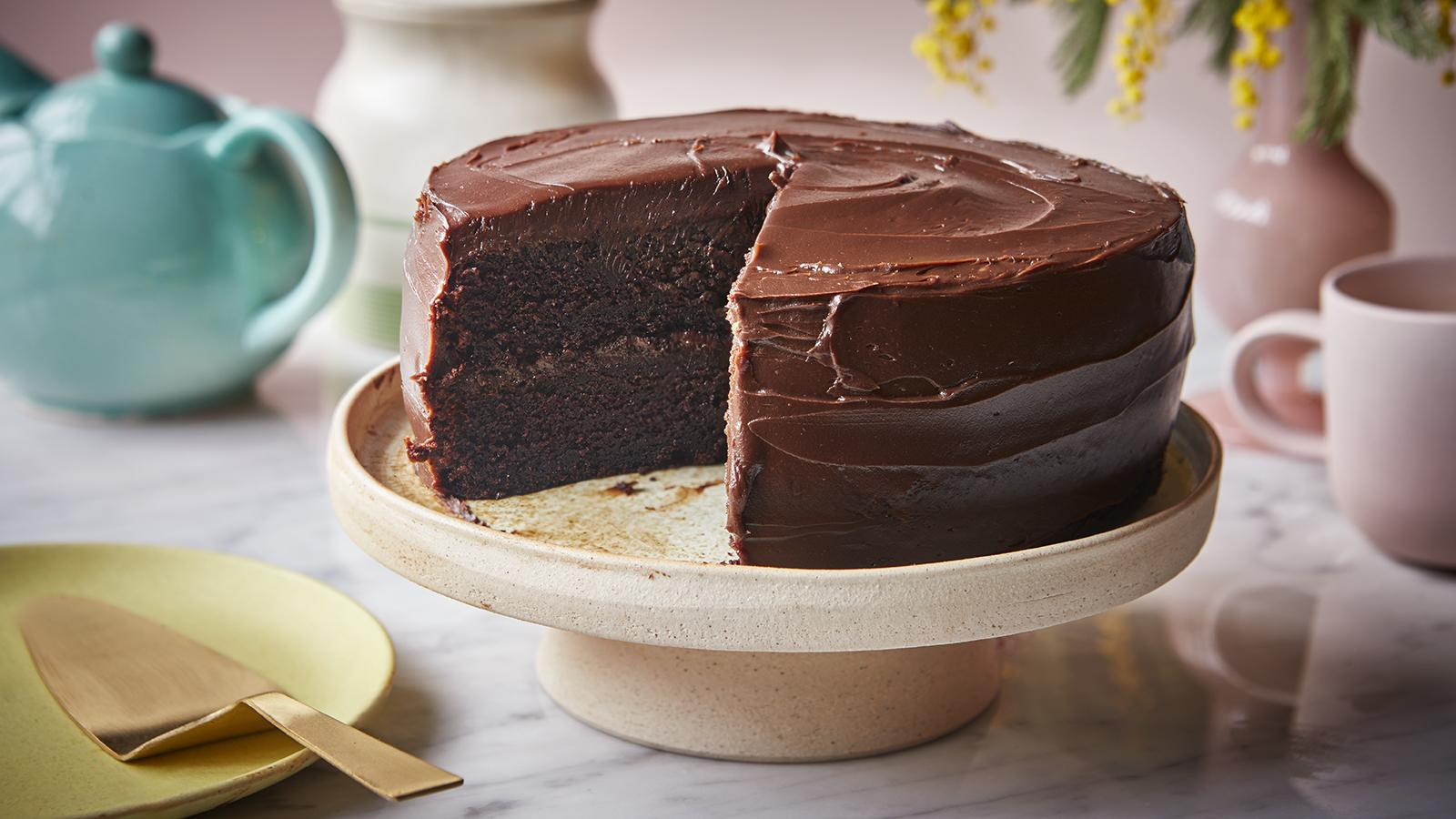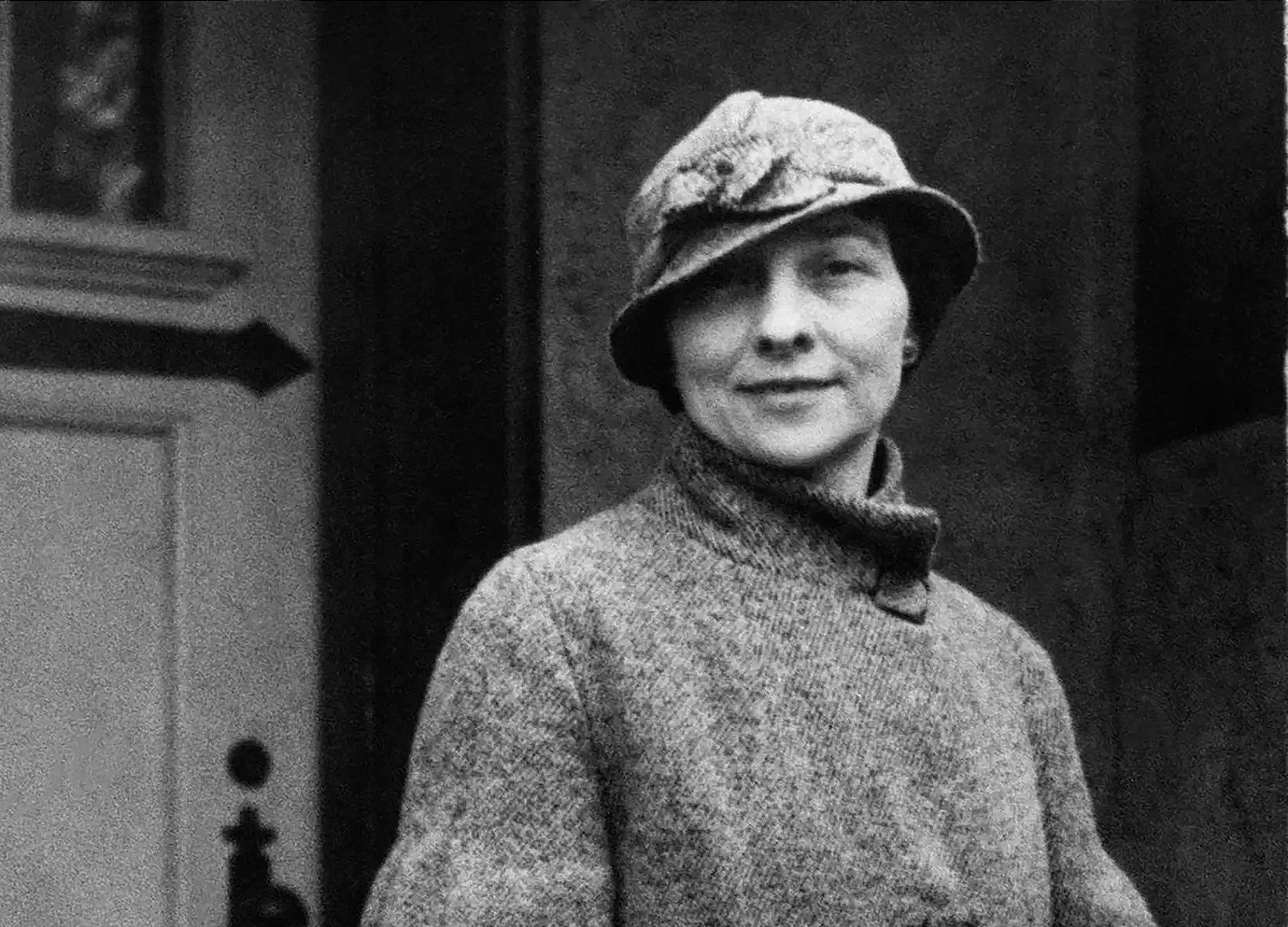
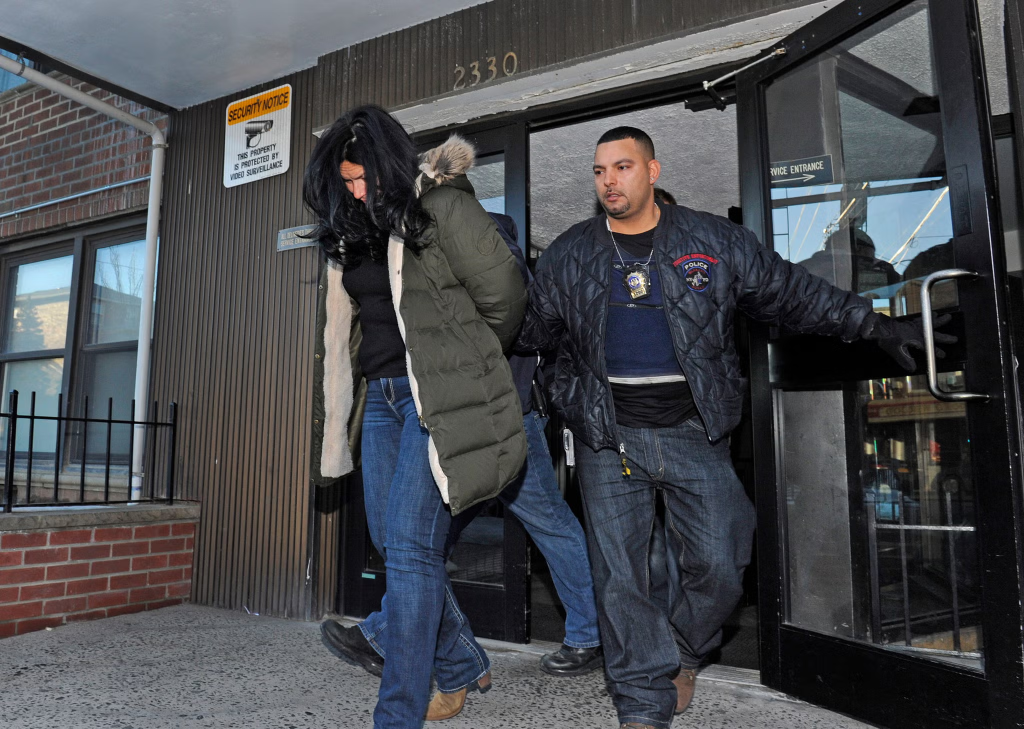
Olga Tsvyk got a job doing eyelash extensions, a skill she had picked up back home in Ukraine. In March 2016, a 40-something recent Russian immigrant named Viktoria Nasyrova walked into her salon. Nasyrova told Tsvyk that she was a masseuse and that she lived with her boyfriend in Brooklyn. She was open and friendly, and they talked easily when she came in for appointments every few weeks. They shared cultural references, enjoyed tastes of home, like beef rib dumplings and sour cherry jam, and had both endured the same journey to the U.S. — wrestling with legal issues and piles of paperwork. They also looked remarkably like each other. But Nasyrova wasn’t who she said she was. She had been on the run in Russia for at least a year, and her U.S. visa was set to expire. Nasyrova decided to kill her doppelgänger and steal her life — or at least her immigration status. Her weapon of choice: a slice of cheesecake. (via Elle)
She discovered the first living example of a prehistoric Coelacanth in the 1930s
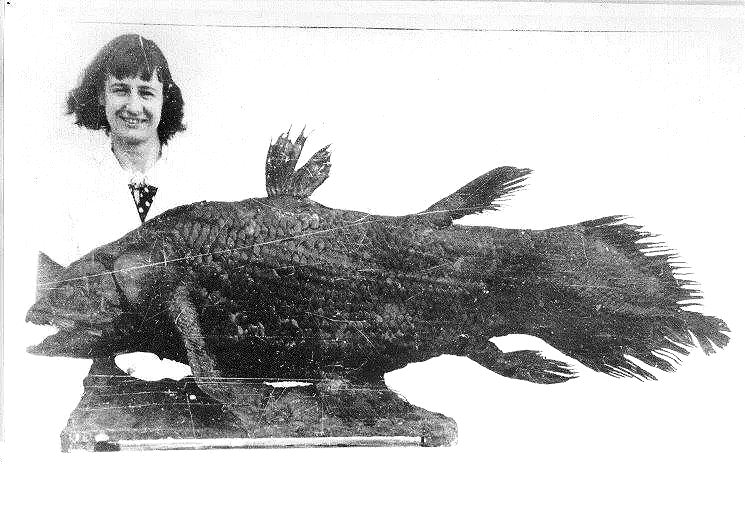
In 1938, Marjorie Courtenay-Latimer, a museum curator in South Africa was paying a visit to the docks as part of her regular duties. One of her jobs was to inspect any catches thought by local fishermen to be out of the ordinary. Later, Courtenay-Latimer recalled: “I picked away at a layer of slime to reveal the most beautiful fish I had ever seen. It was pale mauvy blue, with faint flecks of whitish spots; it had an iridescent silver-blue-green sheen all over. It was covered in hard scales, and it had four limb-like fins and a strange puppy-dog tail.” Courtenay-Latimer didn’t know what the fish was but she was determined to find out. She convinced a taxi driver to put the 127-pound dead fish in the back of his cab and take them back to the museum. She attempted to preserve the fish so it could be examined by an icythologist–first by taking it to the local hospital morgue and then by having it taxidermied. (via The Smithsonian)
Note: This is a version of my When The Going Gets Weird newsletter, which I send out via Ghost, the open-source publishing platform. You can see other issues and sign up here.
Continue reading “A Russian woman on the run and a poisoned cheesecake”