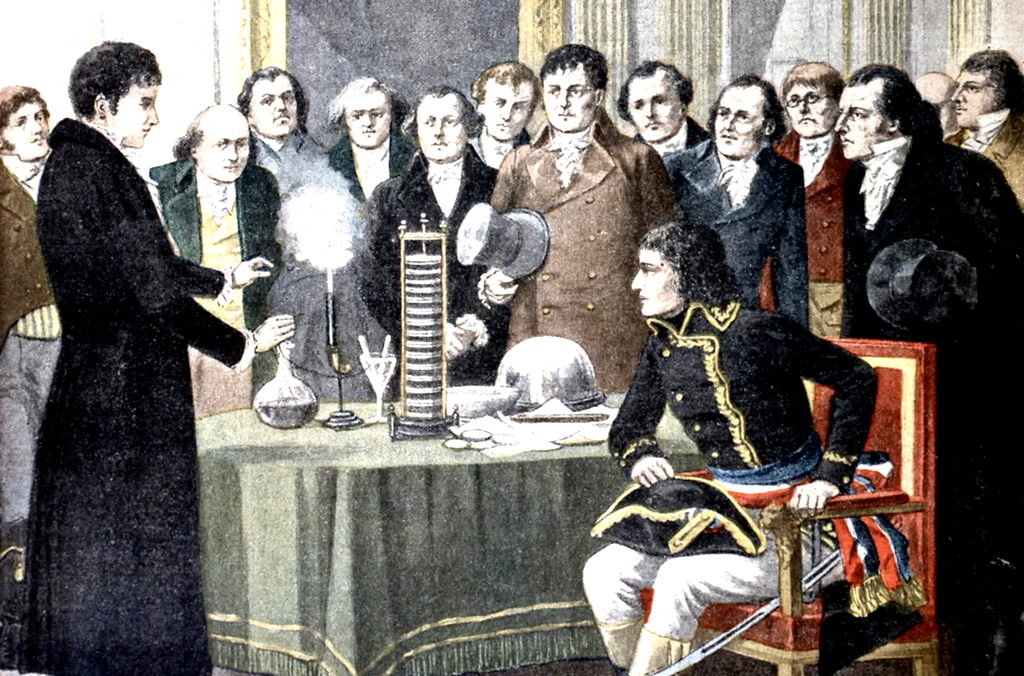
February 18, 1745, is the birthday of the great Italian physicist Alessandro Volta, credited with what many consider to be the most important invention in the history of electricity: the voltaic pile, or battery. The ability to convert chemical energy into continuous electricity was a definite game changer, and Volta deserves a lot of credit for his groundbreaking invention — but it was inspired by one of nature’s most shockingly strange and fascinating creations: the electric eel. The electrophorus electricus is the most well-known species of electric eel, which is in fact a type of knife fish and lives in fresh water, most notably in the murky pools and calmer portions running down the Amazon River. They get 80% of their oxygen from above water, rising to the surface to gulp a mouthful of air 4 or 5 times an hour. They average between 6-8 feet in length and can weigh as much as 50 pounds, and can produce over 600 volts of electricity, or about 5 times the voltage coming out of a wall socket. (via Spark Museum)
Scientists have untangled the mystery of Australia’s phantom lighthouse
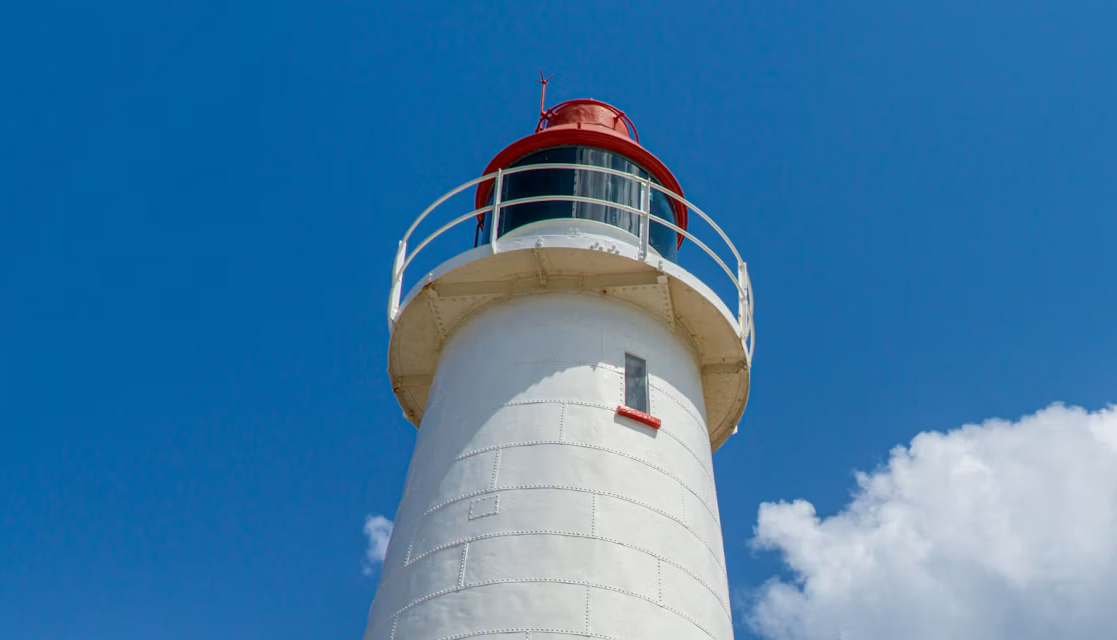
There are two lighthouses on Lady Elliot Island, at the southernmost tip of Australia’s Great Barrier Reef. The first was built in 1873, but was decommissioned in 1995 when the second took over the job of warning ships off the reef. Visitors to the island, however, regularly report seeing signs of a third lighthouse. At night the beams of a non-existent phantom lighthouse are seen far off, shining on the horizon. This “phantom lighthouse illusion” is so well known it even gets a mention in the island’s guide for tourists. It’s not unique to Lady Elliot Island, either: the earliest known report of this phenomenon was published in 1937, and it documented the illusion off the coast of Brittany in France. One of us travelled to the island to find out, then we recreated the illusion in a VR environment to make sure we understood what was happening. Like many illusions, this one seems to happen when our brains add our expectations to evidence from our senses and arrive at the wrong result. (via The Conversation)
Note: This is a version of my When The Going Gets Weird newsletter, which I send out via Ghost, the open-source publishing platform. You can see other issues and sign up here.
The unexpected literary history of the object commonly known as the dildo
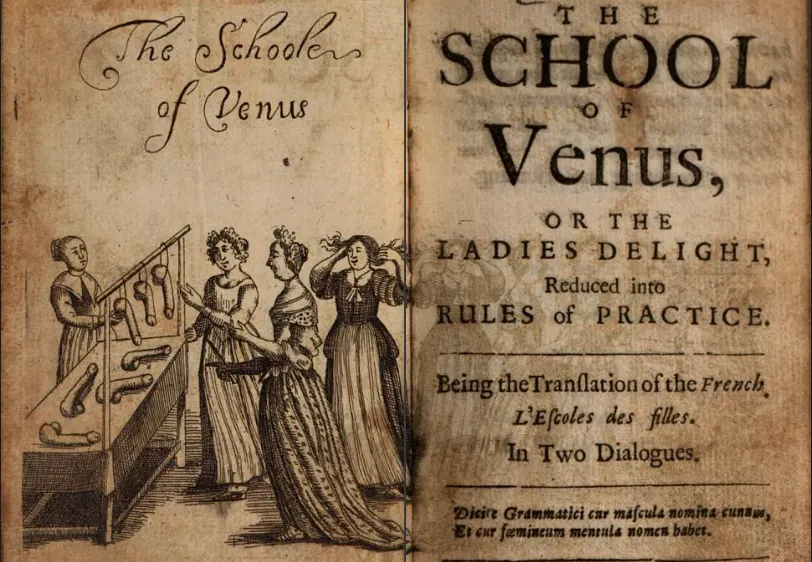
The first dildo named in English literature appears in a brothel on Valentine’s Day. Thomas Nashe’s The Choise of Valentines, an erotic farce written in the early 1590s, follows Tomalin, an impatient lover visiting a sweetheart in the bordello where she works. He pays the hostess and hurries upstairs. But his reunion with Mistress Francis is urgent and disastrously brief. “I faint! I yeald!” he cries. Left unsatisfied, Francis briskly reaches for her “little dildoe.” Francis makes the device’s advantages ruthlessly clear. It is always stiff, cannot make her pregnant, and does not fail through haste or fatigue. The dildo is not a sad substitute, but a youthful “knave” — a mischievous lover and jaunty sexual performer who soon becomes Francis’s true valentine. For Tomalin, that is precisely the problem; he angrily dismisses the dildo as a filthy, “dasht” toy and “senceless counterfet.” The dildo becomes an antagonist: an obscene rival, a bedroom interloper, one that should be “whipt with nettles,” he writes. (via The Paris Review)
If you have enough money you can buy this rare V12 Toyota limousine used by emperors
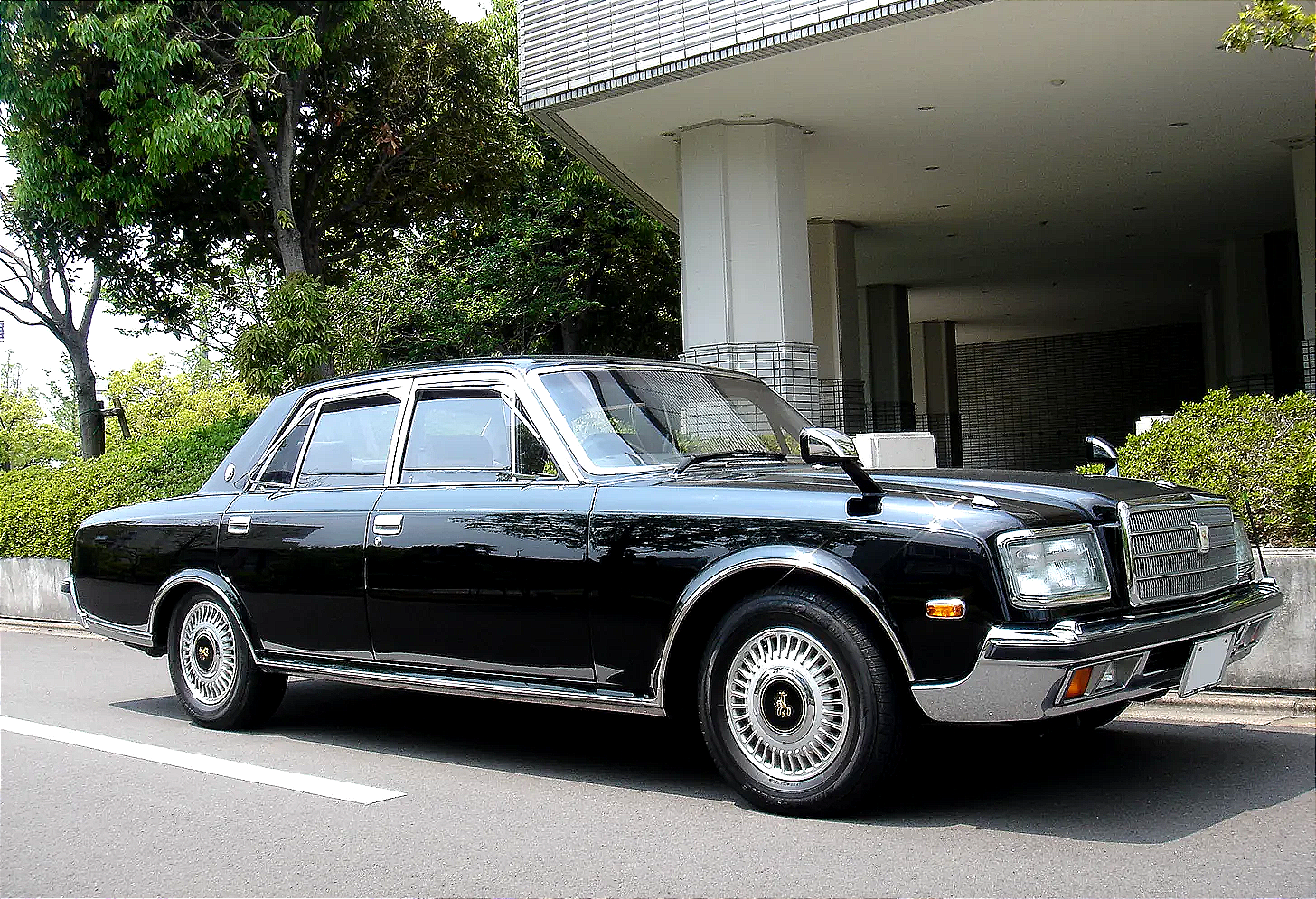
In 1967, Toyota built a car to mark the 100th birthday of its founder, Sakichi Toyoda, and named it the Century. Until then, Japan’s industrialists and ministers had been chauffeured in luxury Western cars. But quickly, the Century became shorthand for conservative success in boardrooms and ministries, and the Imperial household started to use them too. The 1997 car is the one heads obsess over. Toyota built it with no assembly line, and no robots, only craftsmen. Wood paneling was cut so the grain runs continuously across the cabin, the dashboard clock was crystal glass. Under the hood sat the only V12 Toyota has ever put in a passenger car. The current generation, launched in 2018 at about $150,000, is as meticulously designed. The phoenix emblem on the grille, which replaces the Toyota oval, takes about six weeks to hand-carve. The black paint is completed with seven coats infused with black pigment to give a lacquer look, and wet-sanded by hand three times. (via Why Is This Interesting)
Researchers found almost three million eels gathered at one underwater mountain
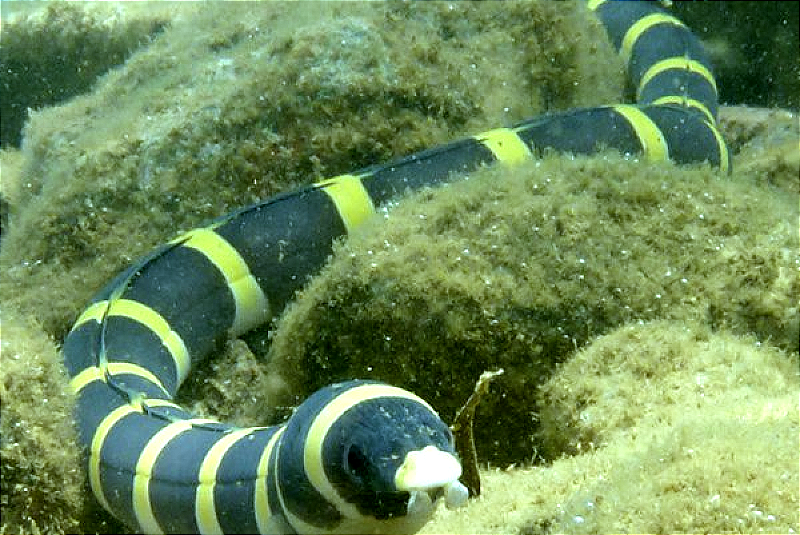
Patience Seamount is an underwater mountain in Australia’s Huon Marine Park off the coast of Tasmania. Every year, it is the site of an enormous gathering of basketwork eels for reasons unknown, although most likely to spawn. The numbers are huge, but they have never been quantified. Now a team led by marine scientist Ben Scoulding of Australia’s Commonwealth Scientific and Industrial Research Organisation has estimated how many are down there. According to their study, the gatherings could contain as many as 2.8 million eels with a collective biomass of around 3,550 metric tons. The team reached these figures after carrying out nine acoustic surveys between 2023 and 2025. They also used underwater cameras towed behind a research vessel and collected a handful of eels. So how did they get numbers and biomass from this? First, sonar equipment sent sound waves into the deep water to measure the echoes bouncing off schools of fish. These tell you something about the density of fish aggregations, but they cannot reliably distinguish one species from another. (via Phys.org)
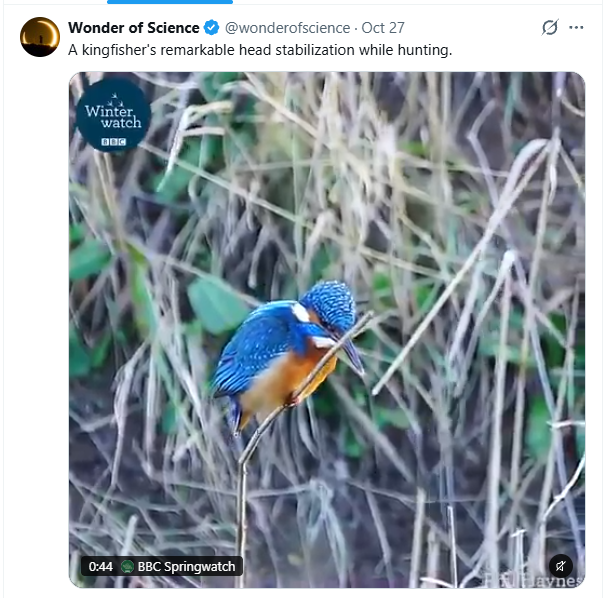
A kingfisher’s head stabilization while hunting
Acknowledgements: I find a lot of these links myself, but I also get some from other places that I rely on as “serendipity engines,” such as The Morning News from Rosecrans Baldwin and Andrew Womack, Jodi Ettenberg’s Curious About Everything, Dan Lewis’s Now I Know, Robert Cottrell and Caroline Crampton’s The Browser, Clive Thompson’s Linkfest and Why Is This Interesting by Noah Brier and Colin Nagy. If you come across something you think should be included here, feel free to email me at mathew @ mathewingram dot com