
At least I have my freedom

Links that interest me and maybe you
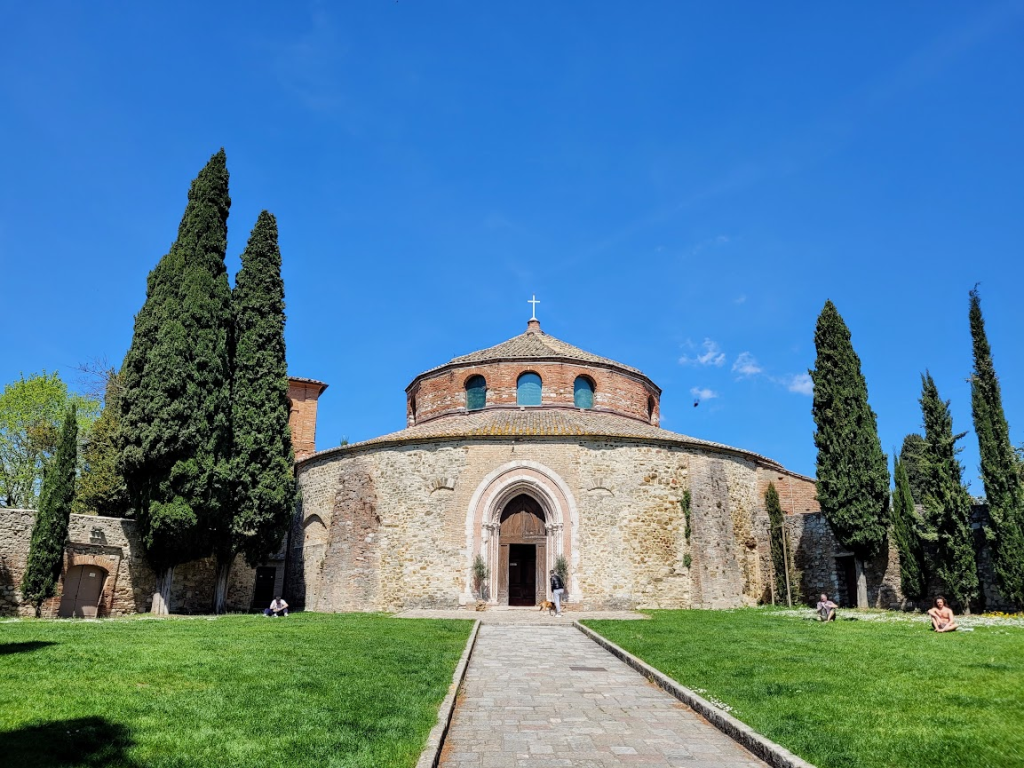
My wife and I have spent a number of years travelling to Perugia, a small town in Umbria, just a couple of hours north of Rome, for the fantastic journalism festival that is put on there by our friends Arianna and Christopher (Arianna was adamant that it not be called a conference when they started it). We haven’t been for the past couple of years for a number of reasons, but this was the 20th anniversary of the festival, so we had to go — and it was our 10th visit; we went for the first time in 2013 (in addition to the past couple of years when we didn’t attend, we missed a couple due to COVID). It was great to be back in the old city, which dates back to the Etruscan empire in the year 300 or so. One of the things we make sure to visit every year is a fascinating circular church that was originally a pagan temple, built in about 500 AD or so. You can just walk in and look around whenever you want — it is still used as a church — and nearby is an ancient tower from the same period that has a small museum you can visit as well.
Across from the main conference hotel there’s an escalator that goes down into the ruins of an ancient palace known as the Rocco Paolina, named for Pope Paul III, who built it in the 1500s after he took control of the city following the great Salt War. It seems that the new pope decided to levy a new tax on salt, which enraged the Perugians — according to legend, traditional Perugian bread is baked without salt, in memory of this grudge from 500 years ago. The pope squashed the rebellion with his armies, and took control of the city, and it remained under papal control until Italy was unified in 1860. Also, from what I understand, a guy named Frank from Assisi was injured in a war between Perugia and Assisi (which is about a two-hour drive away across a valley) in the year 1200 or so, and later got really religious and decided to become a monk, and eventually became Saint Francis of Assisi. The murals in his cathedral are truly spectacular.
Continue reading “A trip to Perugia, Turin and the Ligurian seaside”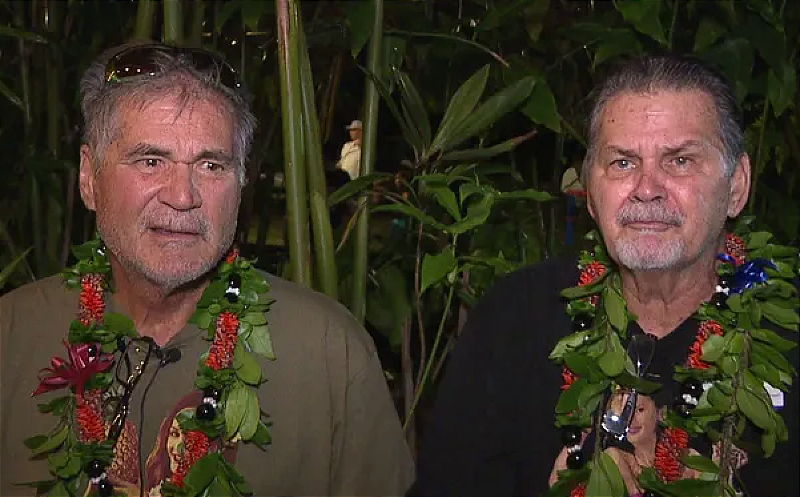
Alan Robinson and Walter Macfarlane were born in Hawaii 15 months apart. The duo met in 6th grade and have been friends for 60 years. While they’ve shared a very close bond, they never thought they were related, until a DNA website revealed their relationship. Robinson was adopted, and Macfarlane did not know who his father was, so the pair were always searching individually for information on their families. For years, Macfarlane had tried unsuccessfully to find clues about his father. With the help of his daughter, they began sifting through matches he got on a DNA website. One of the top matches was username Robi737. Macfarlane-Flores told KHON-TV, that her father’s best friend, Robinson, flew 737 airplanes for Aloha Airlines, and his nickname was Robi. The pair soon learned that they shared a birth mother. (via USA Today)
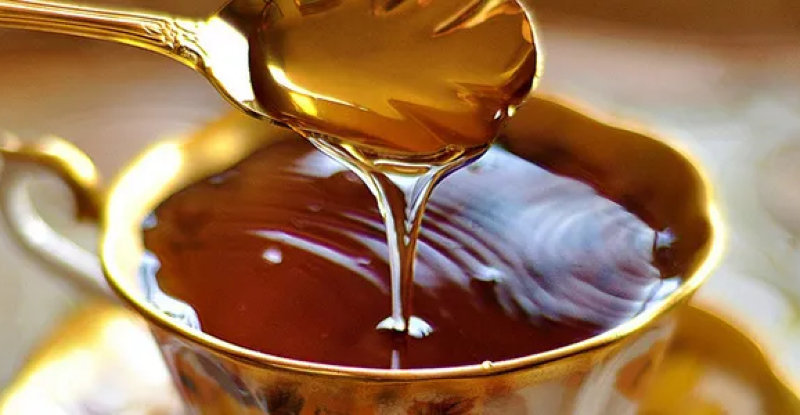
Modern archeologists, excavating ancient Egyptian tombs, have often found something unexpected amongst the tombs’ artifacts: pots of honey, thousands of years old, and yet still preserved. Through millennia, the archeologists discover, the food remains unspoiled, an unmistakable testament to the eternal shelf-life of honey. There are a few other examples of foods that keep–indefinitely–in their raw state: salt, sugar, dried rice are a few. But there’s something about honey; it can remain preserved in a completely edible form, and while you wouldn’t want to chow down on raw rice or straight salt, one could ostensibly dip into a thousand year old jar of honey and enjoy it, without preparation, as if it were a day old. Moreover, honey’s longevity lends it other properties – mainly medicinal – that other resilient foods don’t have. Which raises the question: what exactly makes honey such a special food? (via The Smithsonian)
Note: This is a version of my When The Going Gets Weird newsletter, which I send out via Ghost, the open-source publishing platform. You can see other issues and sign up here.
Continue reading “Friends for 60 years found out that they were brothers”Alan Robinson and Walter Macfarlane were born in Hawaii 15 months apart. The duo met in 6th grade and have been friends for 60 years. While they’ve shared a very close bond, they never thought they were related, until a DNA website revealed their relationship. Robinson was adopted, and Macfarlane did not know who his father was, so the pair were always searching individually for information on their families. For years, Macfarlane had tried unsuccessfully to find clues about his father. With the help of his daughter, they began sifting through matches he got on a DNA website. One of the top matches was username Robi737. Macfarlane-Flores told KHON-TV, that her father’s best friend, Robinson, flew 737 airplanes for Aloha Airlines, and his nickname was Robi. The pair soon learned that they shared a birth mother. (via USA Today)
Modern archeologists, excavating ancient Egyptian tombs, have often found something unexpected amongst the tombs’ artifacts: pots of honey, thousands of years old, and yet still preserved. Through millennia, the archeologists discover, the food remains unspoiled, an unmistakable testament to the eternal shelf-life of honey. There are a few other examples of foods that keep–indefinitely–in their raw state: salt, sugar, dried rice are a few. But there’s something about honey; it can remain preserved in a completely edible form, and while you wouldn’t want to chow down on raw rice or straight salt, one could ostensibly dip into a thousand year old jar of honey and enjoy it, without preparation, as if it were a day old. Moreover, honey’s longevity lends it other properties – mainly medicinal – that other resilient foods don’t have. Which raises the question: what exactly makes honey such a special food? (via The Smithsonian)
Note: This is a version of my When The Going Gets Weird newsletter, which I send out via Ghost, the open-source publishing platform. You can see other issues and sign up here.
Continue reading “Friends for 60 years found out that they were brothers”
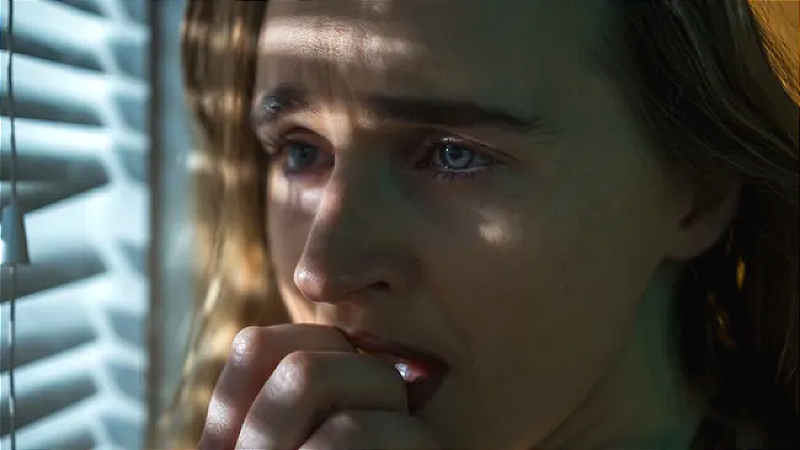
As the woman was reading, she heard an unfamiliar voice say, “Please don’t be afraid. I know it must be shocking for you to hear me speaking to you like this, but this is the easiest way I could think of. My friend and I used to work at the Children’s Hospital, Great Ormond Street, and we would like to help you.” The woman said the disembodied voice then attempted to convince her of its sincerity by providing three pieces of information and suggesting that she check their veracity as proof. The woman confirmed that they were correct. At the clinic, a psychiatrist diagnosed the woman with “functional hallucinatory psychosis.” The patient then went on vacation. Although she was still taking thioridazine, the voices came back, telling her she needed to go home immediately for medical treatment. These voices gave her the address of a hospital, and urged her to schedule a brain scan because she had a tumor. (via Live Science)
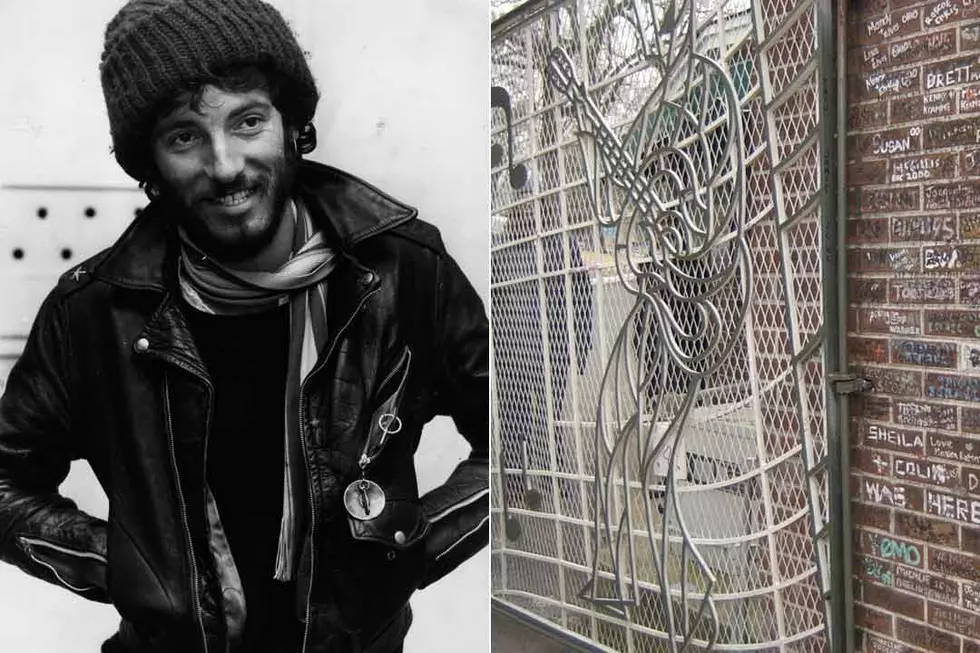
Things were a lot different in 1976. For one thing, Bruce Springsteen wasn’t a huge star yet. For another, Elvis Presley, one of his biggest musical heroes, was still alive. All of this came crashing together on April 29 of that year, when Springsteen tried to get into Graceland, Presley’s mansion in Memphis. Springsteen took a late-night cab ride to the King’s home following his show in town supporting Born to Run, his third album and the one that would launch him into the spotlight. Noticing a light on inside, Springsteen jumped the gated wall and ran to the front door in hopes of meeting his lifelong idol. But security stopped Springsteen before he had a chance to even knock on the door and asked what was going on. Springsteen inquired, “Is Elvis home?” He was told, “No, Elvis isn’t home, he’s in Lake Tahoe” – which was true. It was also 3AM, so even if he was home, he probably wasn’t going to open his door. (via Ultimate Classic Rock)
Note: This is a version of my When The Going Gets Weird newsletter, which I send out via Ghost, the open-source publishing platform. You can see other issues and sign up here.
Continue reading “The voices told her she had a brain tumor and they were right”As the woman was reading, she heard an unfamiliar voice say, “Please don’t be afraid. I know it must be shocking for you to hear me speaking to you like this, but this is the easiest way I could think of. My friend and I used to work at the Children’s Hospital, Great Ormond Street, and we would like to help you.” The woman said the disembodied voice then attempted to convince her of its sincerity by providing three pieces of information and suggesting that she check their veracity as proof. The woman confirmed that they were correct. At the clinic, a psychiatrist diagnosed the woman with “functional hallucinatory psychosis.” The patient then went on vacation. Although she was still taking thioridazine, the voices came back, telling her she needed to go home immediately for medical treatment. These voices gave her the address of a hospital, and urged her to schedule a brain scan because she had a tumor. (via Live Science)
Things were a lot different in 1976. For one thing, Bruce Springsteen wasn’t a huge star yet. For another, Elvis Presley, one of his biggest musical heroes, was still alive. All of this came crashing together on April 29 of that year, when Springsteen tried to get into Graceland, Presley’s mansion in Memphis. Springsteen took a late-night cab ride to the King’s home following his show in town supporting Born to Run, his third album and the one that would launch him into the spotlight. Noticing a light on inside, Springsteen jumped the gated wall and ran to the front door in hopes of meeting his lifelong idol. But security stopped Springsteen before he had a chance to even knock on the door and asked what was going on. Springsteen inquired, “Is Elvis home?” He was told, “No, Elvis isn’t home, he’s in Lake Tahoe” – which was true. It was also 3AM, so even if he was home, he probably wasn’t going to open his door. (via Ultimate Classic Rock)
Note: This is a version of my When The Going Gets Weird newsletter, which I send out via Ghost, the open-source publishing platform. You can see other issues and sign up here.
Continue reading “The voices told her she had a brain tumor and they were right”