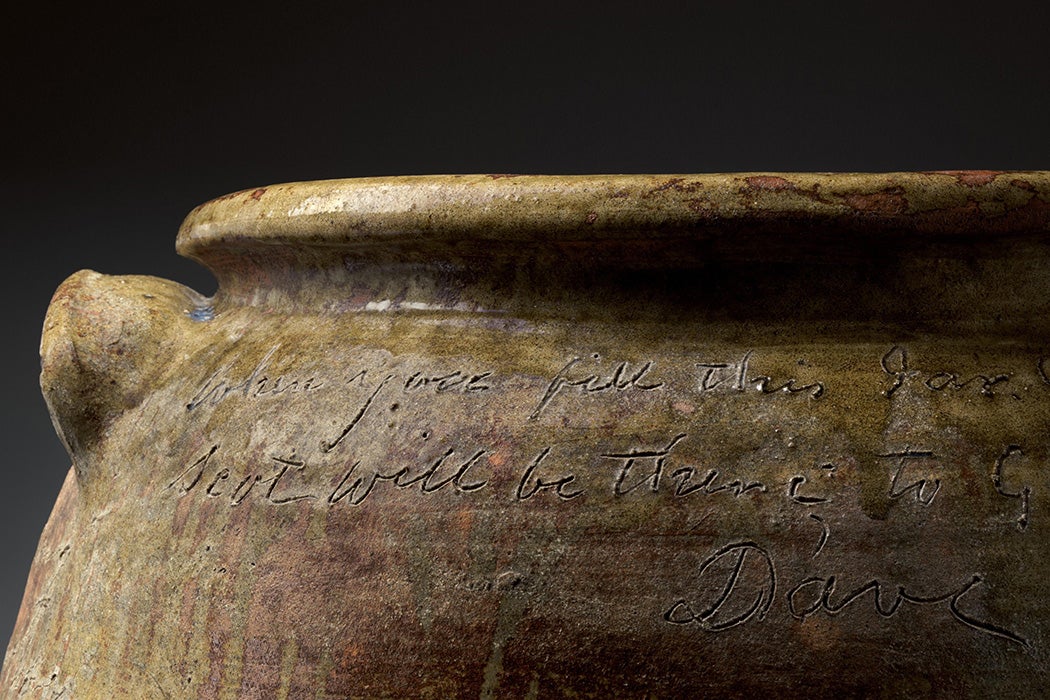

From Daniel Vaughn for Texas Monthly: “The origins of barbecue are murky. Both the transformation from the word “barbacoa” and the development of the cooking process are widely accepted as having come from the Taíno people Christoper Columbus first encountered in present-day Haiti. After much research, Joseph Haynes explains why we’ve got it all wrong in his new book. He contends that barbecue is a uniquely American invention, and he emphatically dismisses what he calls the Caribbean Origins Theory (COT). “Barbecue was born after enslaved Africans were brought to Virginia in 1619 from West Africa,” he writes. “Eventually, enslaved people of African descent, along with people of European descent, and others of American Indian descent combined their cooking traditions, and created what we today call southern barbecue.”
The showman immortalized by John Lennon was the first Black circus owner
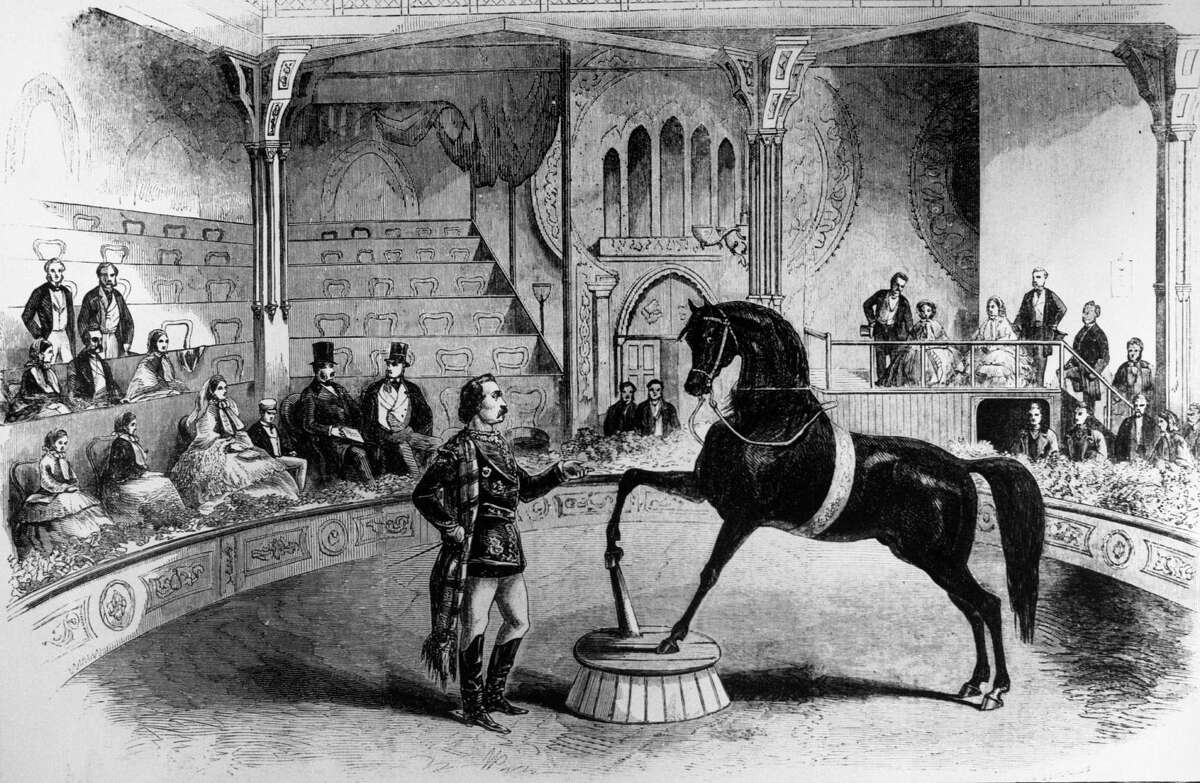
From Mike Dash for Smithsonian magazine: “Anyone who has ever listened to The Beatles’ Sergeant Pepper’s Lonely Hearts Club Band–and that’s a few hundred million people at the last estimate–will know the swirling melody and appealingly nonsensical lyrics of “Being for the Benefit of Mr. Kite,” one of the most unusual tracks on that most eclectic of albums. The lyrics mention Pablo Fanque’s Fair, which was a real thing. During a break in the filming of Strawberry Fields Forever, Lennon wandered into a nearby antique shop and saw a gaudy Victorian playbill advertising a performance of Pablo Fanque’s Circus Royal in February 1843. Fanque was more than an exceptional showman — he was a black man making his way in an almost uniformly white society, and doing it so successfully that he played to mostly capacity houses for the best part of 30 years.”
Editor’s note: If you like this newsletter, I’d be honoured if you would help me by contributing whatever you can via my Patreon. Thanks!
Researchers believe that artificial intelligence may allow us to speak to other species

From Elizabeth Kolbert at The New Yorker: “The world’s largest predators, sperm whales spend most of their lives hunting. To find their prey—generally squid—in the darkness of the depths, they rely on echolocation. By means of a specialized organ in their heads, they generate streams of clicks that bounce off any solid (or semi-solid) object. Sperm whales also produce quick bursts of clicks, known as codas, which they exchange with one another. The exchanges seem to have the structure of conversation. One day, Gruber was sitting in his office at the Radcliffe Institute, listening to a tape of sperm whales chatting, when another fellow at the institute, Shafi Goldwasser, happened by. At the time, she was organizing a seminar on machine learning. Perhaps, Goldwasser mused, machine learning could be used to discover the meaning of the whales’ exchanges.”
Note: This is a version of my personal newsletter, which I send out via Ghost, the open-source publishing platform. You can see other issues and sign up here.
Continue reading “Everything we know about the origins of barbecue is wrong”