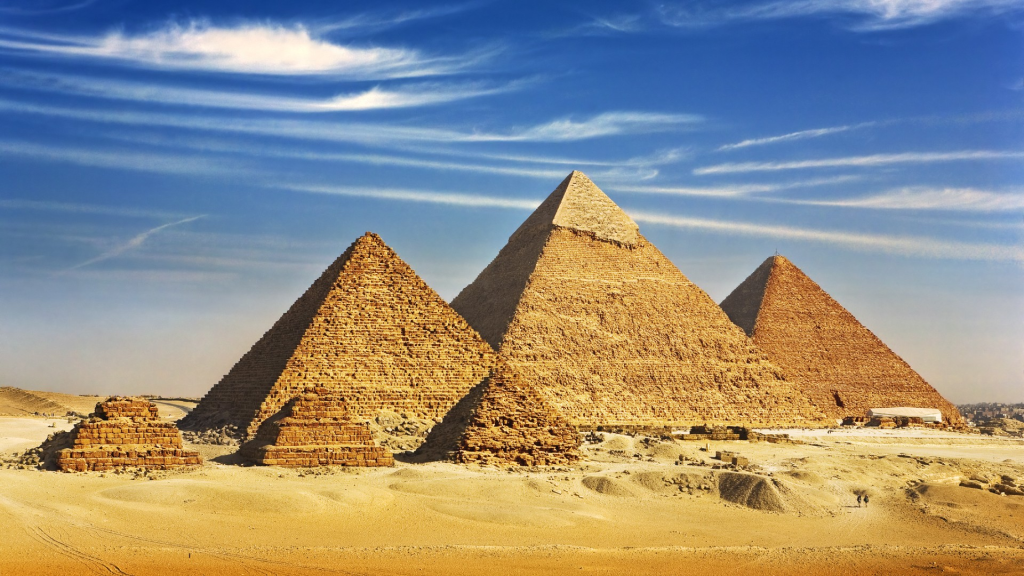
Secret chambers have been discovered in a Giza pyramid

Researchers from Cairo University and the Technical University of Munich (TUM) have located two air-filled spaces within Giza’s Menkaure pyramid that hint at a possible secret entrance. The Menkaure pyramid is the smallest of the three main pyramids on Cairo’s Giza plateau. Built for the Fourth Dynasty ruler Menkaure, it was completed in the 26th century BC. It was excavated between 1906 to 1910, but has not been fully explored since then. Working within the ScanPyramids project, the research team used non-invasive ground-penetrating radar, ultrasound, and electrical resistivity tomography (ERT) to confirm the presence of voids behind this area. Their discovery supports the theory, suggested by researcher Stijn van den Hoven in 2019, that a second entrance might exist at that location. In 2023 it found a previously undiscovered corridor at the Great Pyramid of Giza using advanced scanning techniques. (via Art News)

Researchers built an AI chatbot that only knows the world before 1931
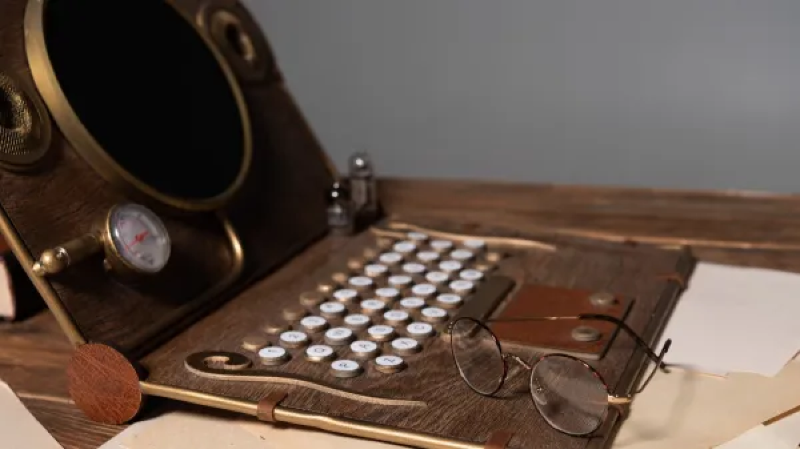
The internet’s chatbots have read every forum rant, leaked Slack log, and confident blog post your uncle ever wrote about chemtrails. The results are predictable: they reflect the state of the internet, and it isn’t pretty. Wouldn’t it be nice if we had a chatbot that only draws on knowledge from before the internet, reality TV, or AI-slop content ever existed? Three researchers have created just that: a chatbot that hasn’t read anything published after 1930. Talkie is a 13-billion-parameter language model trained on digital scans of English-language texts published before the end of 1930. That cutoff aligns with the current US public domain year, meaning anything published until the end of that year is fair game and there are no lawsuits from irate IP-holders to worry about. You can download it from GitHub or chat with it through a web interface (via Malwarebytes)

Note: This is a version of my When The Going Gets Weird newsletter, which I send out via Ghost, the open-source publishing platform. You can see other issues and sign up here.

Continue reading “Secret chambers have been discovered in a Giza pyramid”
A heroic quest to find the best free restaurant bread in the US

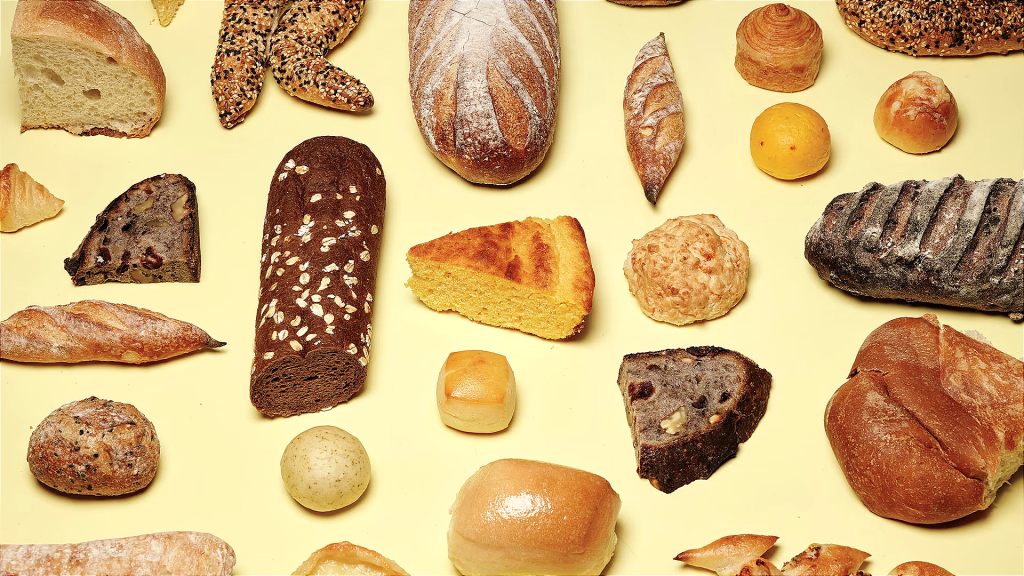
Here is the promise you and I must cling to across the thousands of words that follow: At some point within this text, I will reveal to you what—after 555 responses, 13,000 miles of travel, and months of monomaniacal research—I have determined to be the best free restaurant bread in America. I will not attempt to slither to the moral high ground, arguing that best is a meaningless measure, or insisting that all bread is dear in its own way. Even if you attempt to betray me—for instance, by merely scanning the text that follows for the phrase Here it is: the best free restaurant bread in America—I will uphold my end of the bargain. Though it strikes the ear as an insoluble query, there is a correct answer—right now, known only to God (and to me, an agent of his will), but erelong to the steadfast reader. (via The Atlantic)

A newspaper boy dropped a nickel on the ground and it popped open to reveal a microfilm

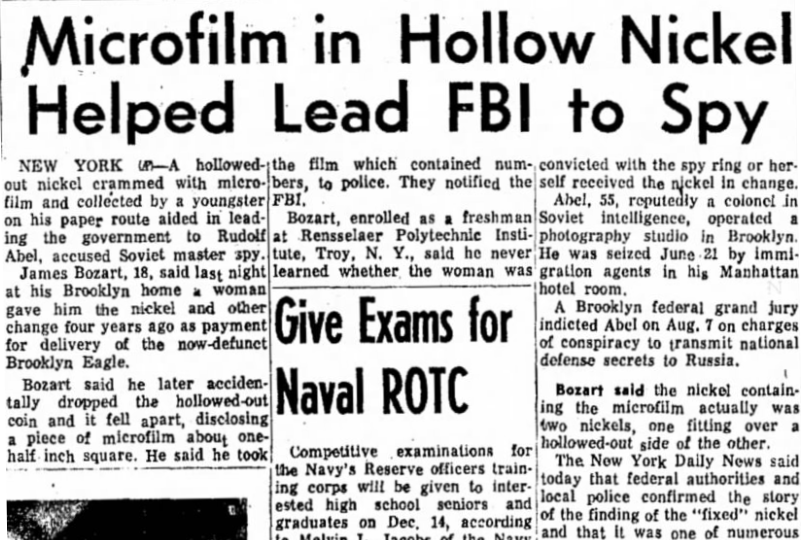
On June 22, 1953, a fourteen-year-old newspaper boy collecting for the Brooklyn Eagle was paid with a nickel that felt too light to him. When he dropped it on the ground, it popped open, revealing that it contained microfilm. The microfilm contained a series of numbers. After agent Louis Hahn of the FBI obtained the nickel and the microfilm, the agency tried to find out where the nickel had come from and what the numbers meant. On the microfilm, there were five digits together in each number, 21 sets of five in seven columns and another 20 sets in three columns, making a total of 207 sets. There was no key for the numbers. The FBI tried for nearly four years to find the origin of the nickel and the meaning of the numbers. It was only when KGB agent Reino Häyhänen chose to defect in May 1957 that the nickel was linked to the KGB. (via Wikipedia)

Note: This is a version of my When The Going Gets Weird newsletter, which I send out via Ghost, the open-source publishing platform. You can see other issues and sign up here.

Continue reading “A heroic quest to find the best free restaurant bread in the US”

The occult history of NASA’s Jet Propulsion Laboratory

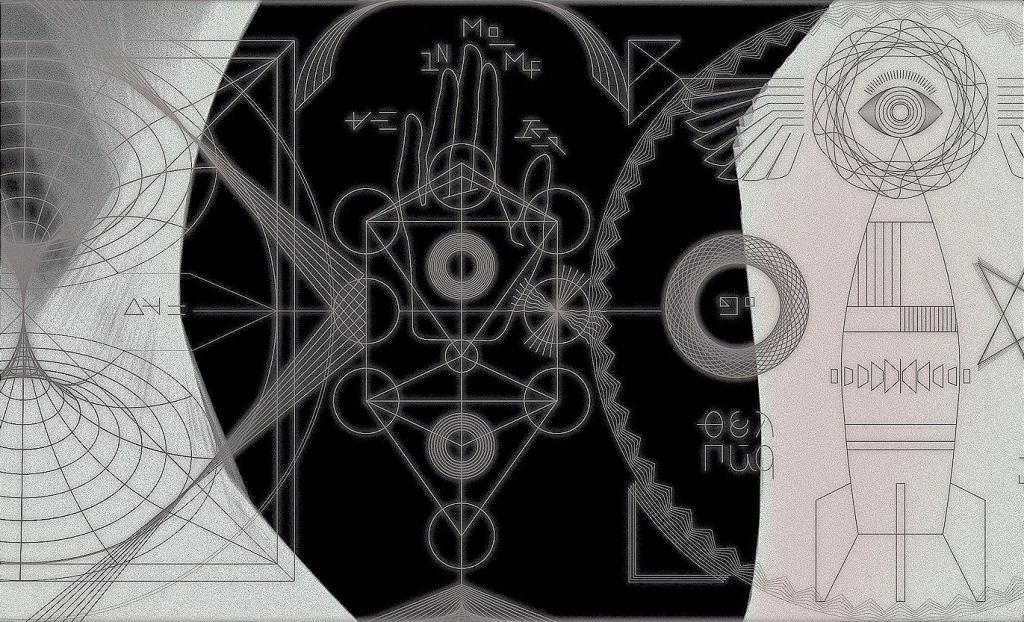
Jack Parsons was one of the most influential figures in the history of the American space program. He also stood accused of espionage, and held a deep fascination with the occult. By 1939, Parsons and his wife Helen Parsons-Smith had fully embraced the teachings of the Ordo Templis Orientis, a central hub for Aleister Crowley’s spiritual and religious philosophy. Crowley taught that a Thelemite’s central ambition was to achieve a higher state of existence by embracing one’s “True Will,” or one’s ultimate purpose beyond selfishness or ego. In pursuit of that goal, many aspects of Parsons’s life blurred the boundaries between science and mysticism. As a Thelemite, he performed ritual magic, including banishing impure elements with pentagrams, invocating the power of the “Holy Guardian Angel,” and offering daily adorations to the sun. (via Supercluster)

These two women are twins but due to a rare event they have different fathers

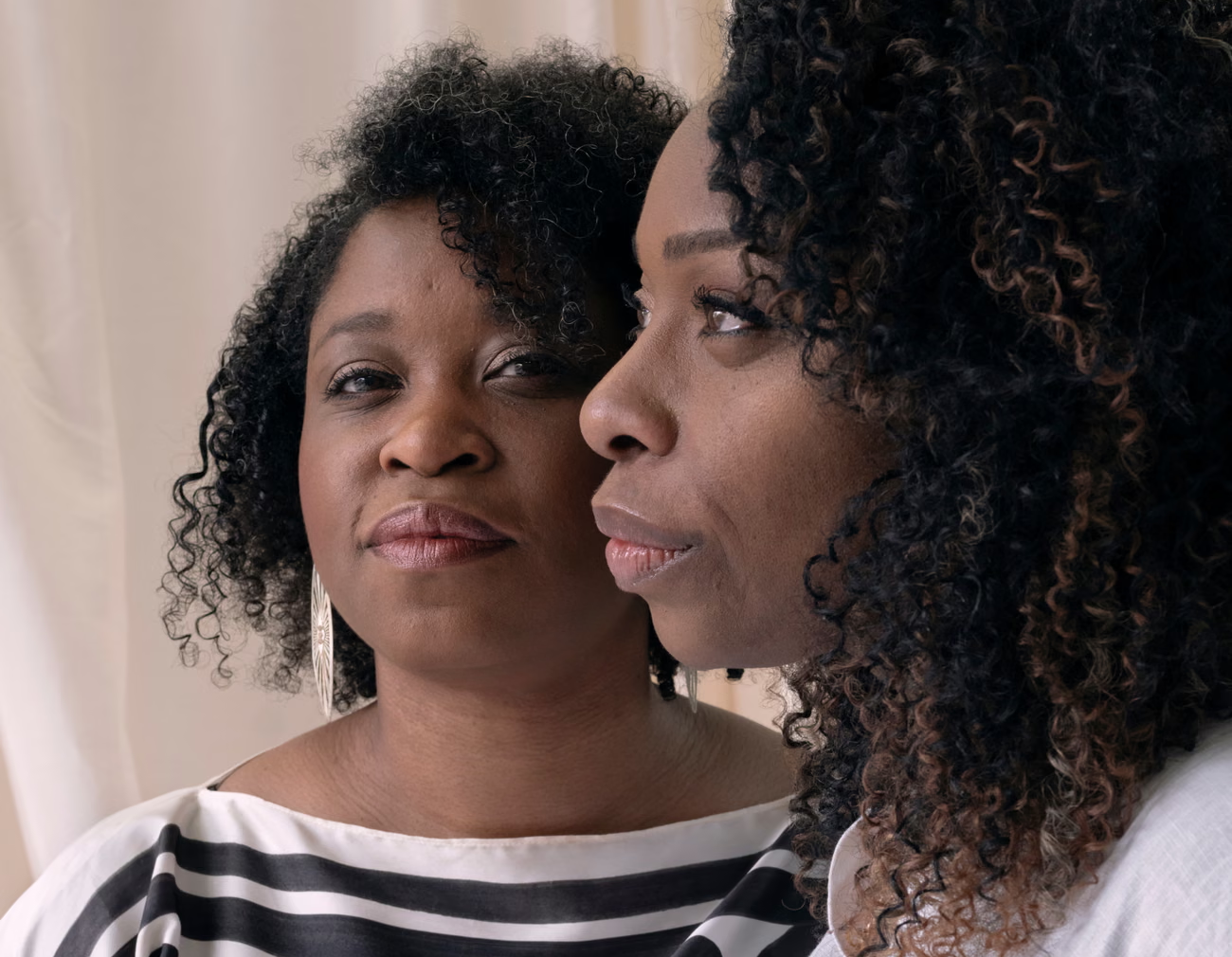
Lavinia and Michelle know that those of us who haven’t shared a womb with a sibling can be fascinated by twins: their similarities, how they differ, whether there’s any kind of mysterious synergy between them. They aren’t identical twins. They share the same striking eyes, but the lower halves of their faces are different. Their personalities differ, too. But they share many things, including the almost inconceivable circumstances that brought them into the world, and which only came to light four years ago, when they were 45 and both took DNA tests from the genealogy firm Ancestry. Their results of those tests revealed something never before documented in British history. Lavinia and Michelle are twins who grew together in the same womb, were born from the same mother, and delivered within minutes of each other – but have different fathers. (via The Guardian)

Note: This is a version of my When The Going Gets Weird newsletter, which I send out via Ghost, the open-source publishing platform. You can see other issues and sign up here.

Continue reading “The occult history of NASA’s Jet Propulsion Laboratory”

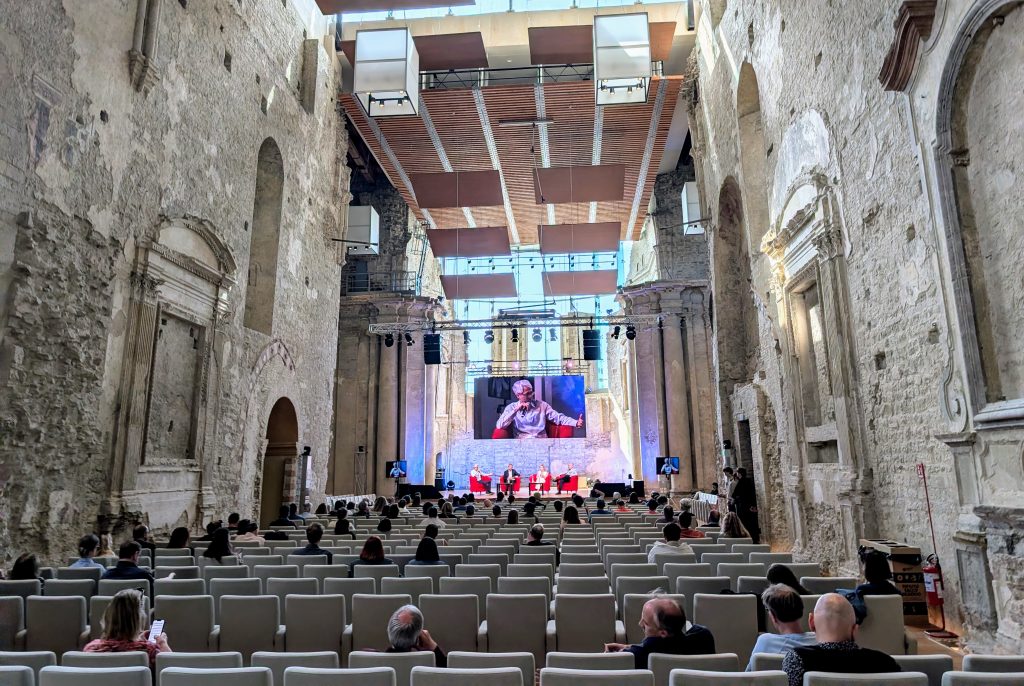
A stunning Perugia conference venue

This is one of the venues at the International Journalism Festival in Perugia, which I’ve been to a number of times . It’s the former San Francesco al Prato church or the Church of Saint Francis in the Meadow, and it was derelict and half destroyed for decades — due to landslides, earthquakes, floods and general neglect — before being renovated and turned into a conference venue. The original building dates back to the 1200s sometime, but in the 1800s they tried to renovate it and wound up almost destroying it. It was reconstructed in its current state in the 2000s.

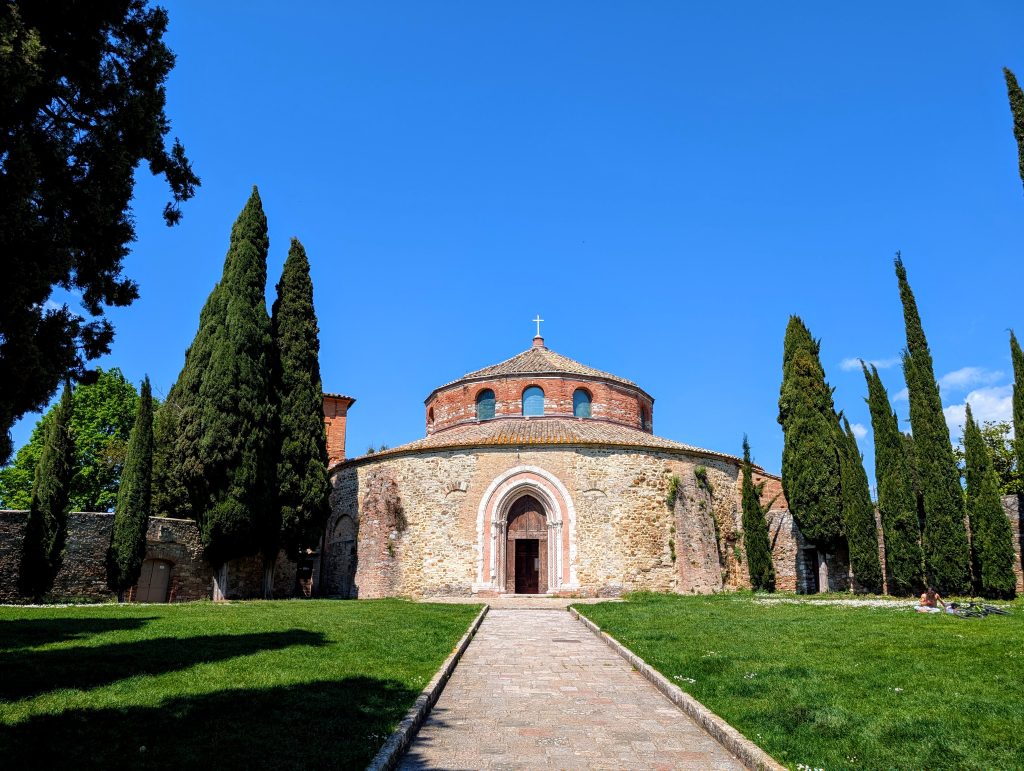
A 1,700-year-old pagan temple

The temple of Saint Michael the Archangel sits on a hill about 20 minutes outside the gates of the old city of Perugia in Italy, and was built sometime in the 5th century. It was originally a pagan temple, and at some point became a Christian church. It is open to the public and has a unique wooden circular dome, and inside there are alcoves distributed around the circular walls for christenings, etc.

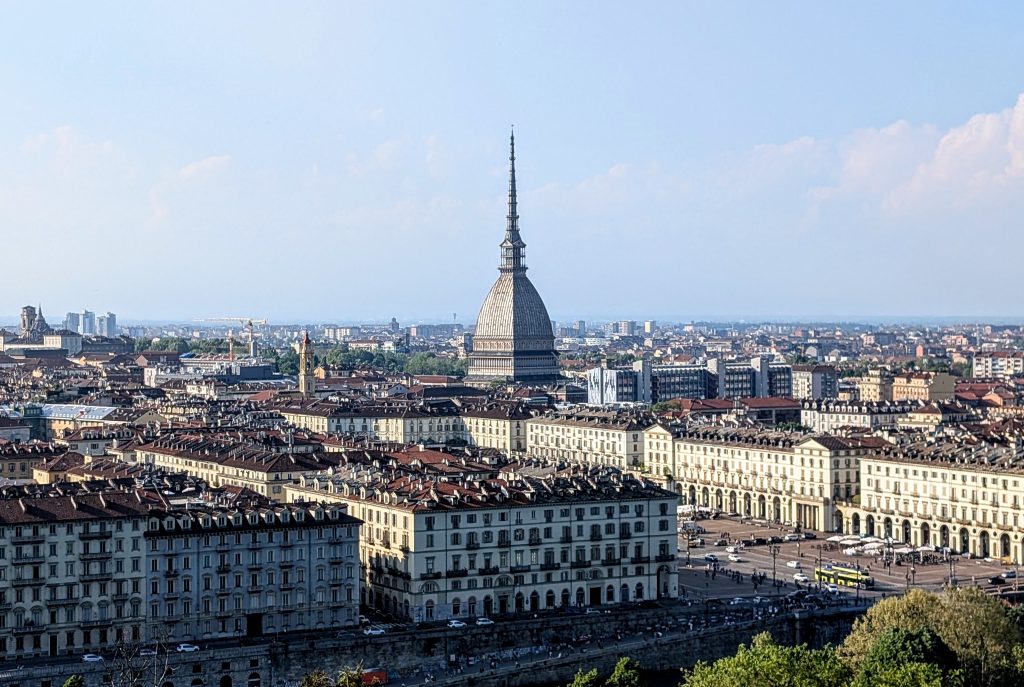
Turin skyline with the Mole

The Mole (mo-lay in Italian) is an iconic building in Turin, mostly because the rest of the city has a height limit that makes the Mole stick out even more than it would otherwise. It is the tallest unreinforced building in the world — meaning it has no skeleton of metal girders, as most tall modern buildings do. It was originally built as a synagogue, and the spire is quite spectacular close up. It is now the museum of the motion picture, which commemorates the fact that the Lumiere brothers developed the first moving pictures in Turin in the 1800s, despite being French by birth (Turin has historically had a very French flavour).