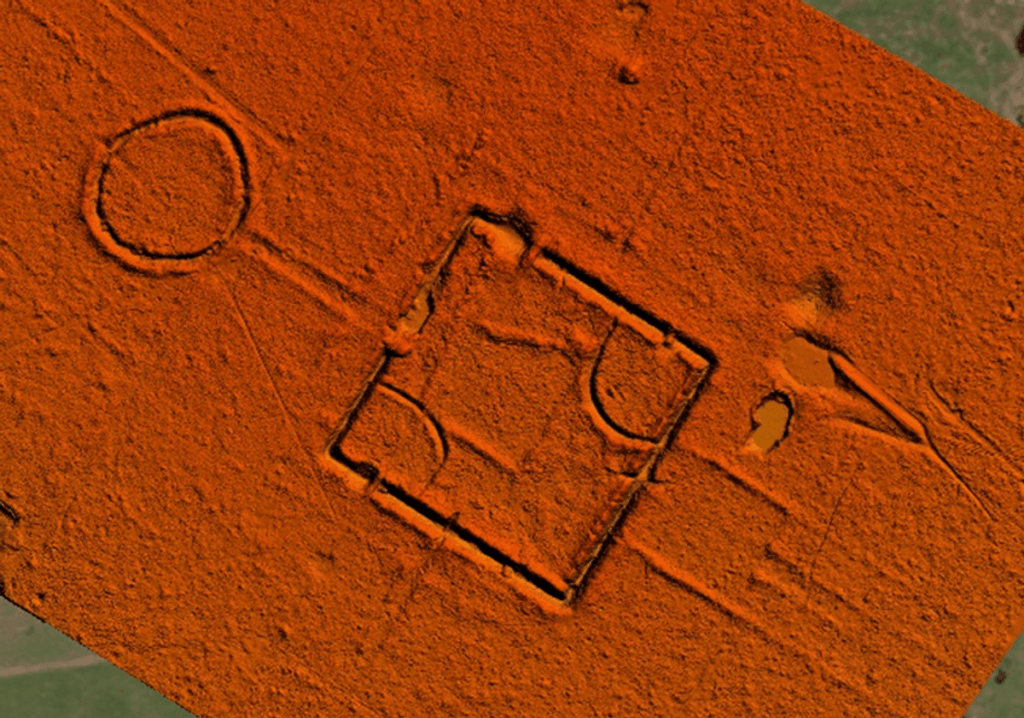
Tens of thousands of undiscovered ancient structures known as “earthworks” are likely hidden in the Amazon near the border between Brazil, Bolivia and Peru. That’s what researchers concluded after flying a plane equipped with remote sensing instruments over an approximately 4,497-square-kilometer (1,736-square-mile) region in Brazil. They detected 396 new earthworks, suggesting that the Southwest Amazon could contain more of these structures than researchers ever expected—somewhere between 24,000 and 30,000 in total. A particular kind of earthwork kept showing up in the images: mysterious, geometric designs in the ground called geoglyphs. The structures can extend several football fields in size, and they are a signature of the so-called Aquiry civilization that inhabited the Amazon between 600 B.C.E. and C.E. 850. Researchers think geoglyphs may have served ceremonial or cultural purposes, such as a hosting site for festivities, but their exact function is still up for debate. (via Scientific American)
Researchers did an experiment that shows some birds fly just because they like it
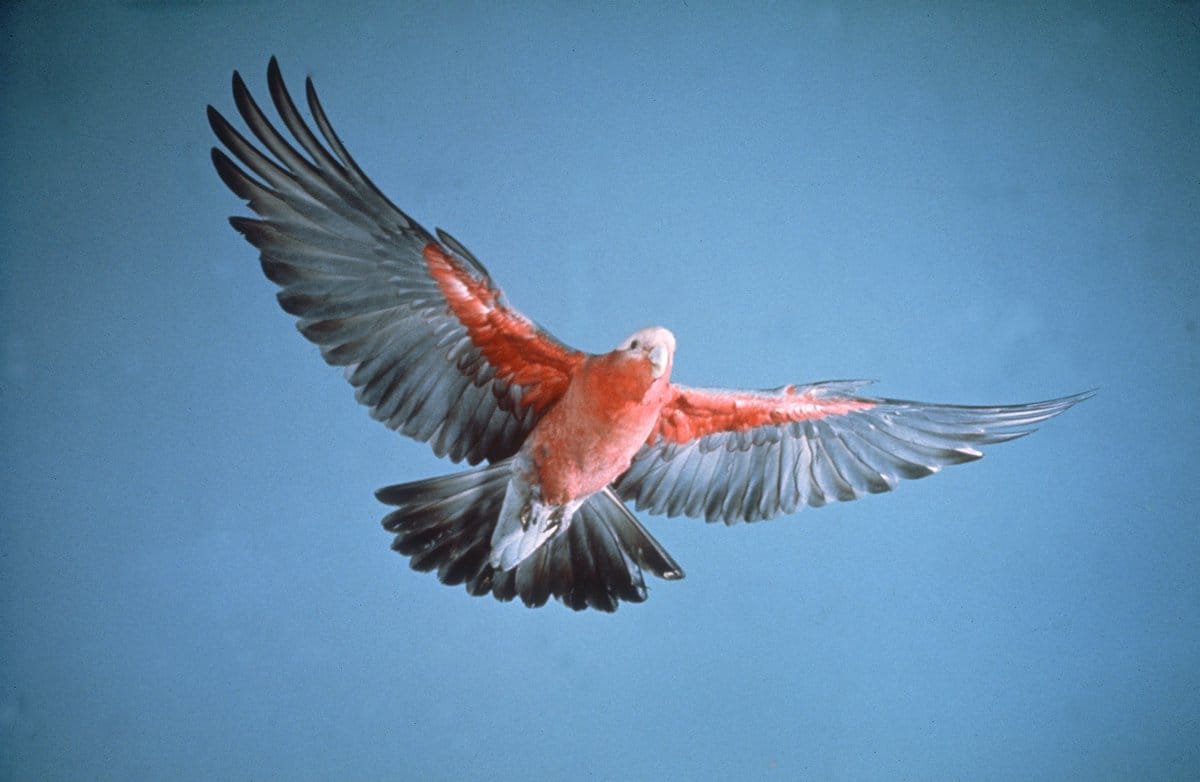
To investigate whether birds ‘like’ flying, we assessed the emotional states of galahs after having participated in a free flight demonstration and compared these results to days on which the birds were not allowed to fly. We selected this particular species as galahs need to fly tens of kilometres per day to feed on seeds, which is their main food source. As such, these parrots likely need to be intrinsically motivated to initiate flight. By evaluating their behaviour, testing their optimism in a cognitive bias task, and measuring corticosterone levels in their droppings, and comparing these findings on days of non-flight versus days on which they were allowed to fly, we aimed to deduce whether flight leads to a positive emotional state that could act as an intrinsic motivator. We showed that the birds consistently choose to fly when given the opportunity, indicating that flight is highly preferred. In addition, we showed that these birds were more likely to show optimisms after consecutive days of flight, while being more pessimistic after days on which they were not allowed to fly. (via Brill.com)
Note: This is a version of my When The Going Gets Weird newsletter, which I send out via Ghost, the open-source publishing platform. You can see other issues and sign up here.
Continue reading “Hundreds of massive Aztec earthworks found in Amazon”