
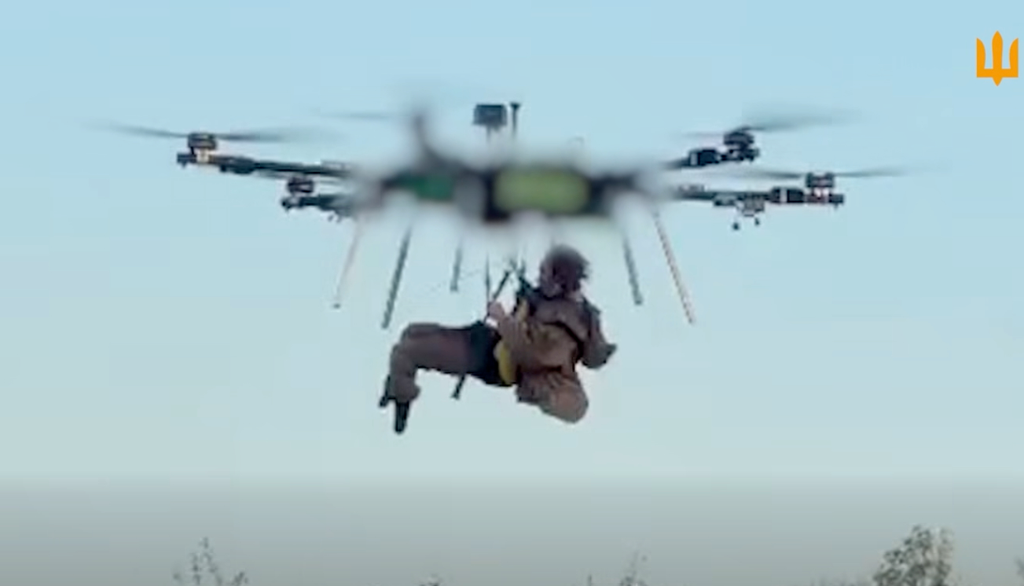
Ukraine’s unprecedented drone rescue of a wounded soldier from the battlefield has shown once again how battlefield necessity can spur innovation. The operation was revealed just days after separate Ukrainian drones designed for casualty evacuation were deployed for frontline testing — taking a step beyond the US military’s decades of experimentation with similar concepts. The drone evacuation of the injured soldier took place at an undisclosed time and place on the frontline where the presence of Russian drones and landmines made it impractical to send in a wheeled ground robot, according to The Kyiv Independent. On October 19, Ukraine’s Army shared a video of the drone evacuation, showing the wounded soldier securing himself in a harness suspended beneath a heavy hexacopter drone with six rotors before being flown to safety. (via Ars Technica)
A Utah court rules that woman involved in car accident can sue herself
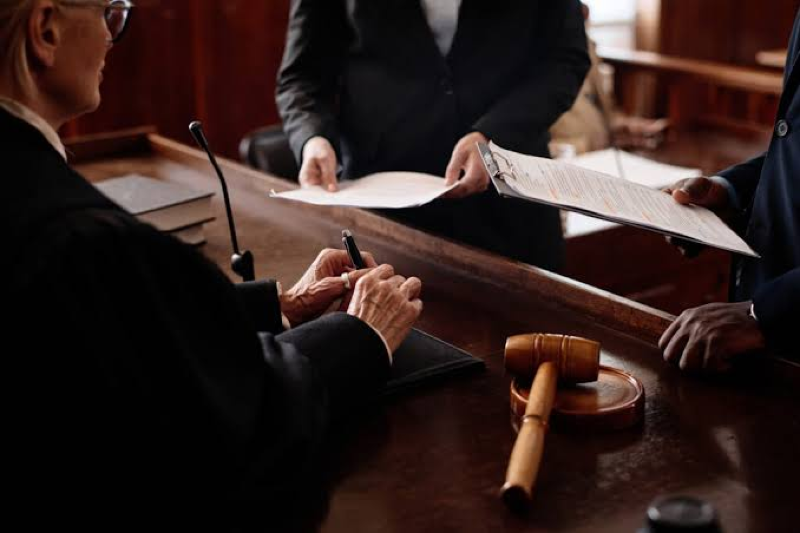
You might not consider Utah the most progressive state, but it has become the first to grant its citizens a controversial right that many have long been denied, proving that the law does evolve. Utah has now become the first state to officially allow its citizens to sue themselves. a unanimous panel of the Court of Appeals ruled on February 15 that Utah law allows a decedent’s heir and the personal representative of his estate to sue the driver who allegedly caused the accident that killed him. That wouldn’t be unusual except that in Bagley v. Bagley, those are all the same people. The two plaintiffs in this case — the decedent’s heir and the personal representative of his estate — brought a wrongful-death claim and a survival action against the driver alleged to have caused the accident. Bagley finds herself on both sides of this dispute because not only is she her husband’s heir and the personal representative of his estate, she is also the defendant driver whose negligence allegedly caused the accident. (via Lowering The Bar)
Note: This is a version of my When The Going Gets Weird newsletter, which I send out via Ghost, the open-source publishing platform. You can see other issues and sign up here.
Rabbits were a medieval luxury in England until the Black Death made them commonplace
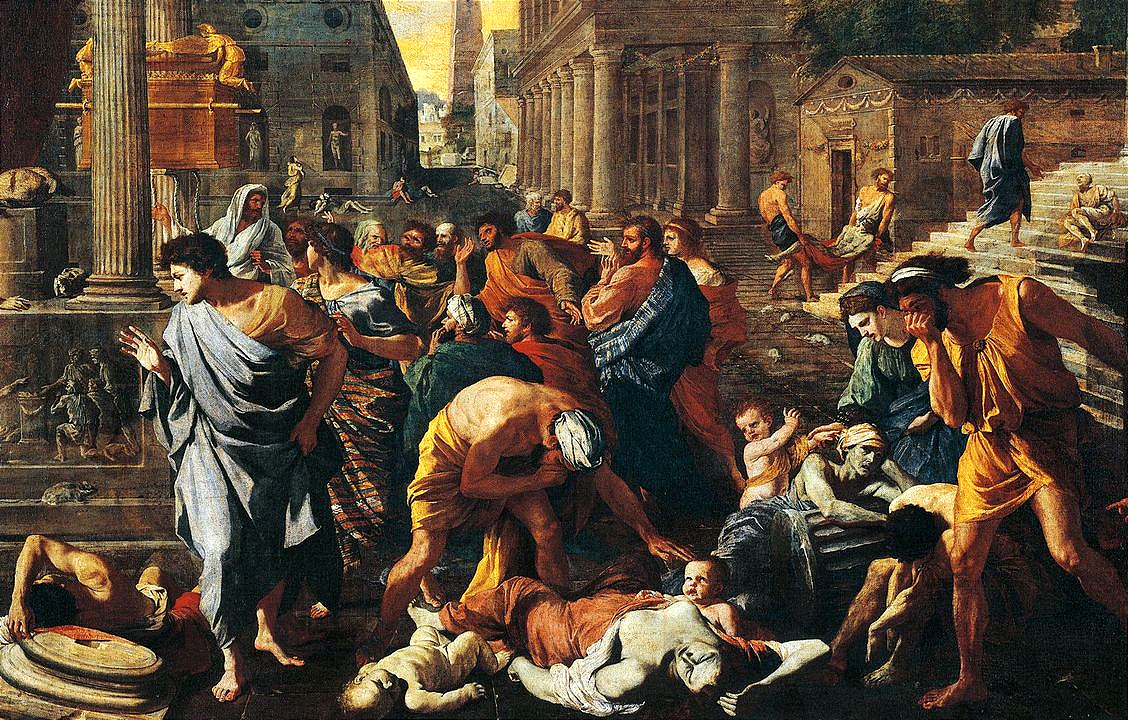
Rabbits were once thought to have been introduced by the Normans, but archaeologists have since uncovered a rabbit bone from Roman Britain. However, documentary evidence of rabbits in the British Isles has only been found from the Norman period onward. In 1176, the landowner Richard de Wyka admitted that he had withheld paying tithes on his rabbits because he had believed that “tithes were not payable on things of this kind.” His confusion suggests that rabbits were a novelty. Rabbits were an expensive delicacy, costing four or five times as much as chickens. Their owners guarded their warrens against poaching and predators to the point that watchtowers and stone lodges were built to protect them. But the Black Death, which killed between a third and two-thirds of the population, led to improving living standards. Land became more freely available. Laborers could also charge more for their work. And many adopted the lifestyles of those higher up the social ladder. (via Phys.org)
Hi everyone! Mathew Ingram here. I am able to continue writing this newsletter in part because of your financial help and support, which you can do either through my Patreon or by upgrading your subscription to a monthly contribution. I enjoy gathering all of these links and sharing them with you, but it does take time, and your support makes it possible for me to do that. I also write a weekly newsletter of technology analysis called The Torment Nexus.
A blind horse wins dressage competitions using his sense of touch instead of sight

Despite going blind, a remarkable horse is still on his way to becoming a dressage champion after adopting an extraordinary form of equine “braille”. The 15-year-old Appaloosa named Milo, has awed spectators since returning to the show ring last year despite losing sight in both eyes due to a devastating eye condition. The 16-hand gelding relies on a unique combination of rider cues, hearing, and touch, to navigate his surroundings in the ring or barn. The 28-year-old rider Megan Share has owned Milo since the horse was just three and Megan was still growing up. They had spent years competing together from their home base in England when the tragedy struck. Today they have their ‘sights’ set on returning to the elite dressage ring—competing against the best sighted horses. Megan, who runs Debdale Riding School in rural Worcestershire, explained how the communication works between this dynamic duo. (via Good News)
Archaeology fight reopens wounds over peopling of the Americas

A new battle has broken out over Monte Verde, a coastal site in southern Chile that may provide some of the earliest evidence of humans in the Americas. In March, a group of archaeologists claimed the site may be as young as 4200 years old — 10,000 years younger than most researchers thought — challenging key evidence that people arrived in the Americas before the end of the last ice age. But the original excavator at Monte Verde, Vanderbilt University archaeologist Tom Dillehay, and loosely affiliated collaborators have launched a fiery rebuttal. At Paleoamerican Odyssey—a major international conference held here last week — they argued the March study, published in Science, contained fundamental errors in reinterpreting the site. They also described a new excavation, completed just 3 weeks ago, that they say reaffirms the early dates. The Monte Verde work was a major factor in overturning what was then the prevailing hypothesis about the peopling of the Americas. (via Science.org)
The fastest downhill mountain bike ride ever at the Red Bull Genova Cerro Abajo
Acknowledgements: I find a lot of these links myself, but I also get some from other places that I rely on as “serendipity engines,” such as The Morning News from Rosecrans Baldwin and Andrew Womack, Jodi Ettenberg’s Curious About Everything, Dan Lewis’s Now I Know, Robert Cottrell and Caroline Crampton’s The Browser, Clive Thompson’s Linkfest and Why Is This Interesting by Noah Brier and Colin Nagy. If you come across something you think should be included here, feel free to email me at mathew @ mathewingram dot com