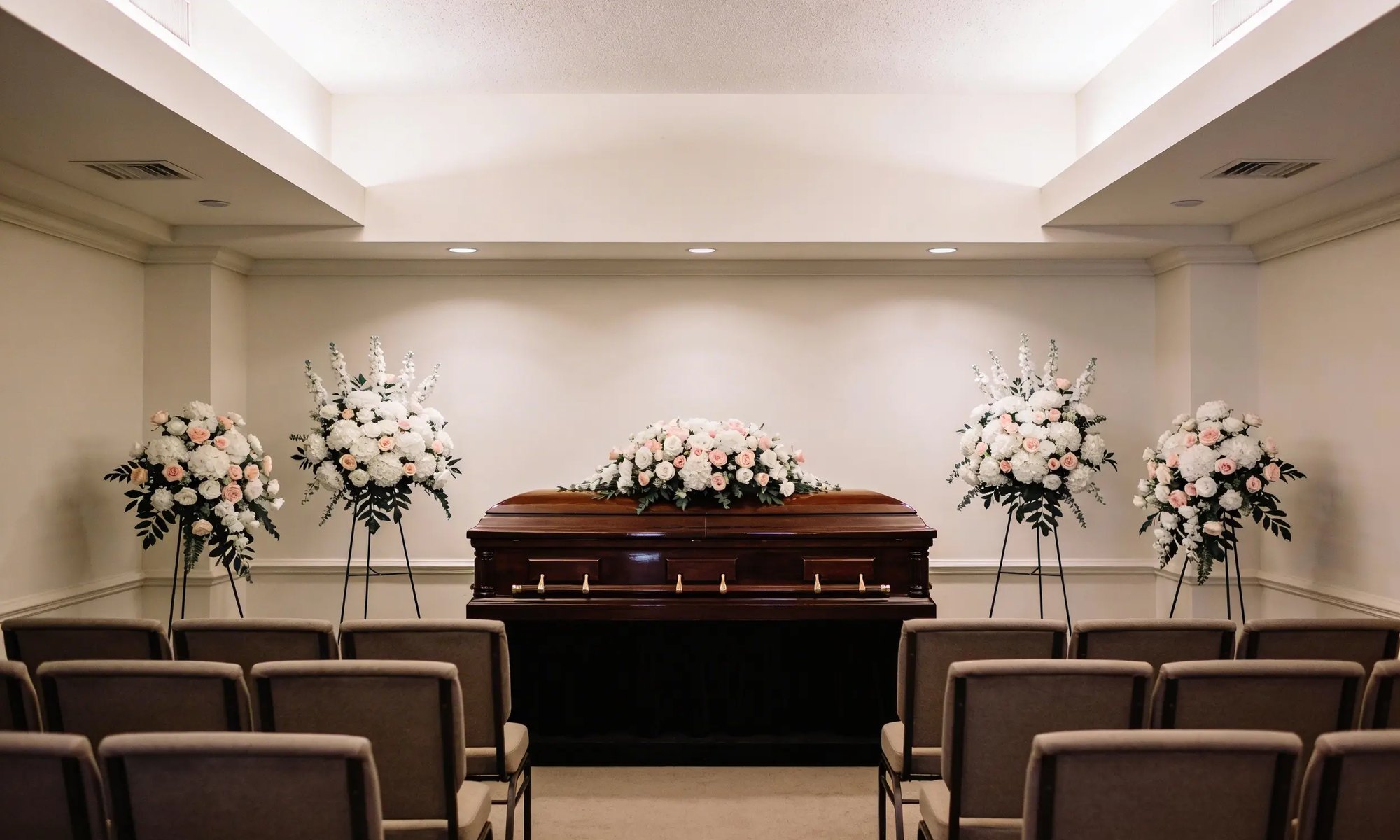
“Winter is our busy season,” Lucy tells me apologetically, explaining why her co-workers are reluctant to commit to interviews. It never occurred to me that morticians would be slammed in Q1, though in retrospect the reason is obvious—pneumonia, influenza, and now COVID-19 return each year. I met Lucy at a Halloween party in 2023. Dressed as a pregnant Mia Farrow from Rosemary’s Baby, she blended seamlessly into the crowd of disaffected twentysomethings—until she mentioned that she was an embalming apprentice. Once I realized this was not just glib seasonal humor, our small talk quickly tipped into big talk: ghosts, rigor mortis, sin-eaters, you name it. Beyond the hair-raising anecdotes, what surprised me most was that nearly all of Lucy’s co-workers and former mortuary classmates are women, specifically young women in their twenties and thirties. “There were only three guys in our class and one of them was a trans man. There were a lot of queer people,” she explains. (via the LA Review of Books)
Why doctors in Thailand fear a popular superstition related to Kentucky Fried Chicken
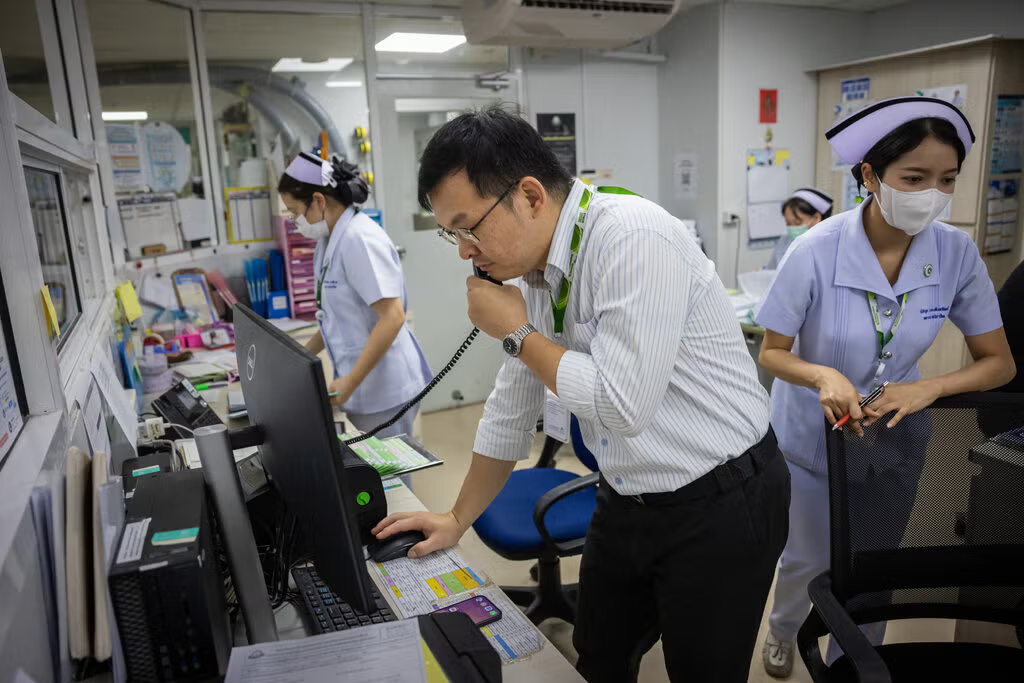
Thanat Tantinam, a colorectal surgeon in Thailand, knows a lot of things from his medical training, like the ins and outs of the human digestive system, or bowel cancer rates. But also: Never eat Kentucky Fried Chicken at work. Since he was a medical student, around a decade ago, the American fast food franchise has been the subject of an odd superstition among Thai doctors, many of whom believe that eating its chicken at work will lead to intolerably busy shifts. “It’s a serious superstition in some hospitals,” said Dr. Thanat, 35. “Your colleagues might be mad if you bring KFC.” He recently tested this theory. Between 2023 and 2024, he and several co-workers at Phatthalung Hospital in southern Thailand, his employer at the time, conducted a randomized control trial of 345 surgical shifts, comparing metrics like case load or estimated blood loss in patients from three groups of surgeons: a group that ate KFC, another that got food from a local brand named Five Star Chicken, and one that ate nothing. (via the NYT)
Note: This is a version of my When The Going Gets Weird newsletter, which I send out via Ghost, the open-source publishing platform. You can see other issues and sign up here.
Belgium has a library that is dedicated to an unusual subject: Sourdough starter
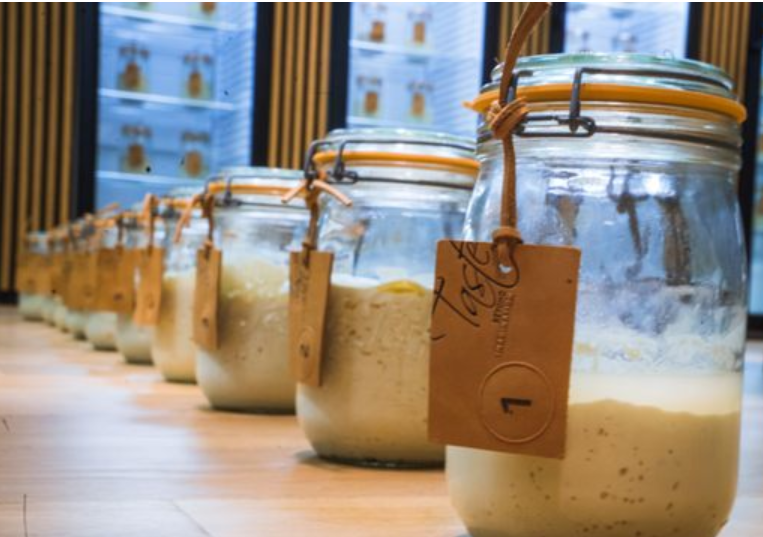
In the tiny municipality of St. Vith, Belgium, there’s a most unusual library. Unusual, that is, because the objects on its shelves need to be fed every few months. Burbling away in refrigerators are 105 sourdough starters from around the world. It’s a modern way to store what used to be a familiar feature of home kitchens: starters, the fermented mixtures of flour and water added to dough to provide rise and flavor. The Puratos Sourdough Library is not in an area famous for sourdough. Especially among Americans, San Francisco may be best known for the bread. But according to Karl De Smedt, the sourdough librarian, sourdough belongs to the entire world. Until 160 years ago, “everyone who was making bread was using sourdough.” De Smedt is both an obvious and unlikely candidate for the world’s first sourdough librarian. A confectioner and baker by training, he is passionate about sourdough and has worked at the Belgium-based bakery supply company Puratos since the ’90s. (via Atlas Obscura)
Hi everyone! Mathew Ingram here. I am able to continue writing this newsletter in part because of your financial help and support, which you can do either through my Patreon or by upgrading your subscription to a monthly contribution. I enjoy gathering all of these links and sharing them with you, but it does take time, and your support makes it possible for me to do that. I also write a weekly newsletter of technology analysis called The Torment Nexus.
She became the first woman to finish an ultramarathon of 100 miles in Antarctica
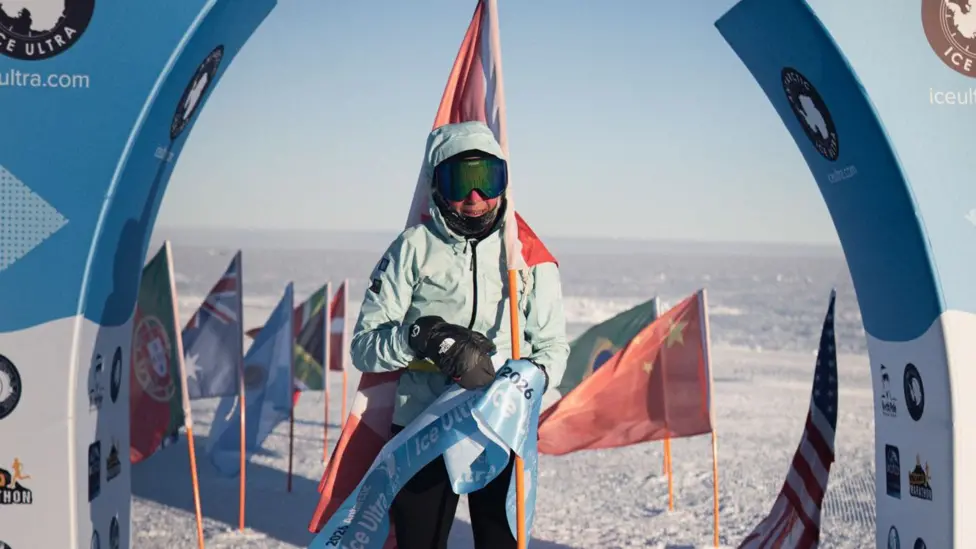
The Antarctic Ice Ultra consists of 38 loops of a 4.2km course in the Schirmacher Oasis in Queen Maud Land, East Antarctica. Stephanie Case ran alongside penguins and battled severe wind and temperatures as low as -35C – the coldest organisers have ever seen – to cross the finish line in second place overall in a time of 17 hours 31 minutes and 39 seconds. Due to the harsh weather conditions, the race was brought forward to start at 1am on Sunday morning and Case says it was as much about survival as performance. “When you’re out in that environment for 20 minutes it’s OK but when you’re out in it for 17 hours or more, it can take a huge toll on the body because you have to expend so much energy just to keep yourself warm,” Case told BBC Sport. Very few people attempt it each year and even fewer finish. This year, only four of the eight runners that started the 100-mile race crossed the finish line. Previously only ever attempted by men, Case was one of three women on the start line but the only one to finish. (via the BBC)
Carbon dating of skeletons works great unless the person ate a lot of fish
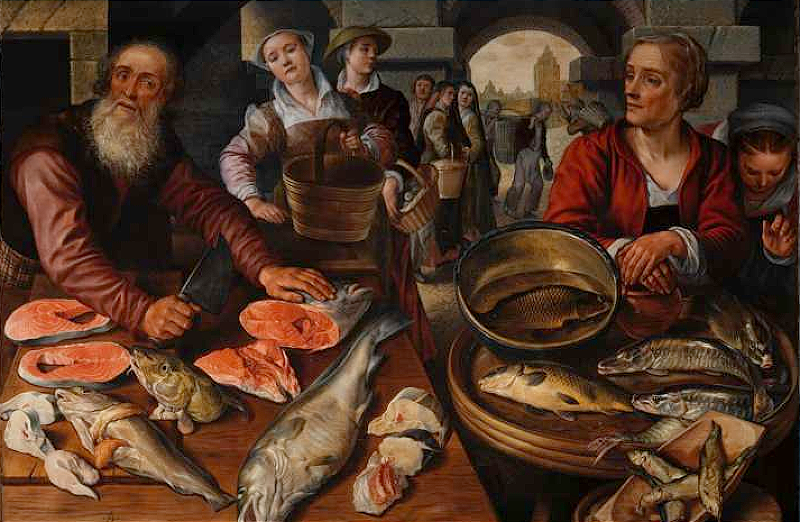
The Danish town of Svendborg was once home to a Franciscan monastery. It was considered highly prestigious to be buried as close to the monastery church as possible. One person who was given such a prestigious burial in medieval Svendborg was later excavated and is now known as skeleton III9B. The skeleton is attracting scientific attention once again because there is something very wrong with its age. III9B was dated using radiocarbon dating, a method used worldwide and regarded for almost 75 years as a reliable scientific method for dating materials containing carbon. Now, however, a Danish-Dutch research team is drawing attention to a particular factor: “If someone ate a lot of freshwater fish during their lifetime, their bones can appear older than they really are. The difference can amount to several hundred years,” says professor emeritus Kaare Lund Rasmussen from the University of Southern Denmark. (via Phys.org)
Scandinavian author Fredrik Backman gives a hilarious speech on what it’s like being a writer

Acknowledgements: I find a lot of these links myself, but I also get some from other places that I rely on as “serendipity engines,” such as The Morning News from Rosecrans Baldwin and Andrew Womack, Jodi Ettenberg’s Curious About Everything, Dan Lewis’s Now I Know, Robert Cottrell and Caroline Crampton’s The Browser, Clive Thompson’s Linkfest and Why Is This Interesting by Noah Brier and Colin Nagy. If you come across something you think should be included here, feel free to email me at mathew @ mathewingram dot com