
Wearing an extra-large tan prison uniform, the man who seduced legions of U.S. Navy officers with prostitutes and bribes shuffled into a visiting room at a remote federal penitentiary on the Pacific coast. He squeezed his hulking frame into a tiny plastic chair. In an exclusive interview, Leonard Glenn Francis — the con man better known as Fat Leonard — revealed for the first time how he bamboozled U.S. authorities in 2022 by escaping house arrest and fleeing to Mexico, Cuba and Venezuela before he was caught and returned to the United States 15 months later.Federal officials have never fully explained how Francis, a defense contractor who once played a critical role supporting Navy operations in Asia, absconded from home detention in San Diego nearly four years ago, despite warnings from prosecutors that he was “an extreme flight risk.” By court order, the 350-pound maritime tycoon was supposed to be under 24-7 surveillance as he awaited sentencing for bribery, fraud and conspiracy. (via Washington Post)
Actor Cary Grant took LSD multiple times and started a trend in Hollywood
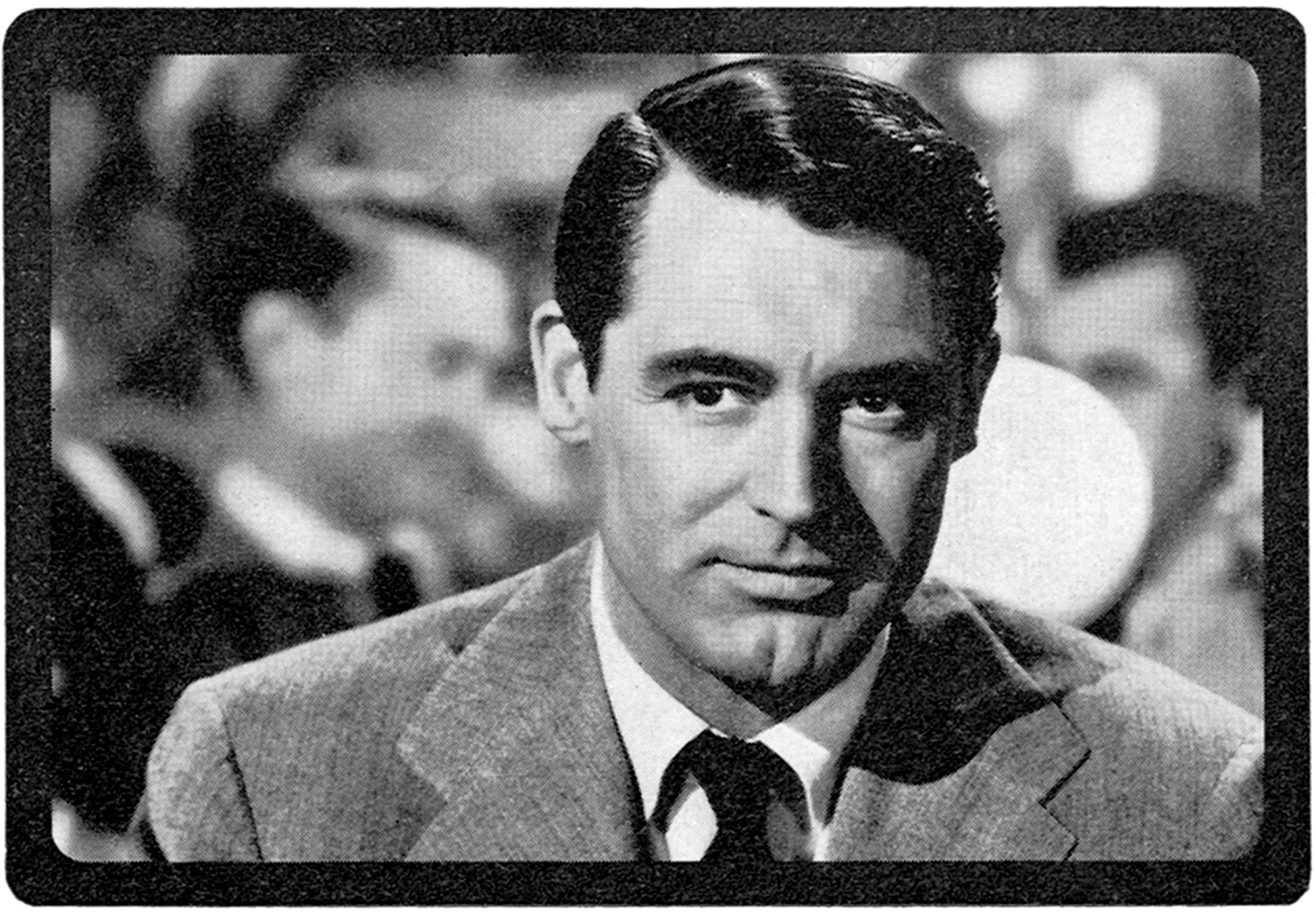
I was struck by the public enthusiasm for the use of substances like LSD and mescaline in therapy—as manifested not just in scientific studies, but in newspaper articles and even television specials. (My favorite is this remarkable 1957 broadcast which shows a woman taking LSD on camera, then uttering memorable lines like “I’ve never seen such infinite beauty in my life” and “I wish I could talk in Technicolor.”) Above all, I was surprised by the public response to the Hollywood actor Cary Grant’s reveal that he was regularly using LSD in psychedelic therapy sessions. In a series of interviews starting in 1959—the same year he starred in North by Northwest—Grant went public as an unlikely advocate for psychedelic therapy. It was the surprisingly positive reaction to Grant’s endorsement that most struck me. As recounted in my book, the journalist who broke the story was overwhelmed by phone calls and letters. “Psychiatrists called, complaining that their patients were now begging them for LSD,” he remembered. “Every actor in town under analysis wanted it.” (via Nautilus)
Note: This is a version of my When The Going Gets Weird newsletter, which I send out via Ghost, the open-source publishing platform. You can see other issues and sign up here.
In Finland on a certain day if you sleep late you could wake up in the lake
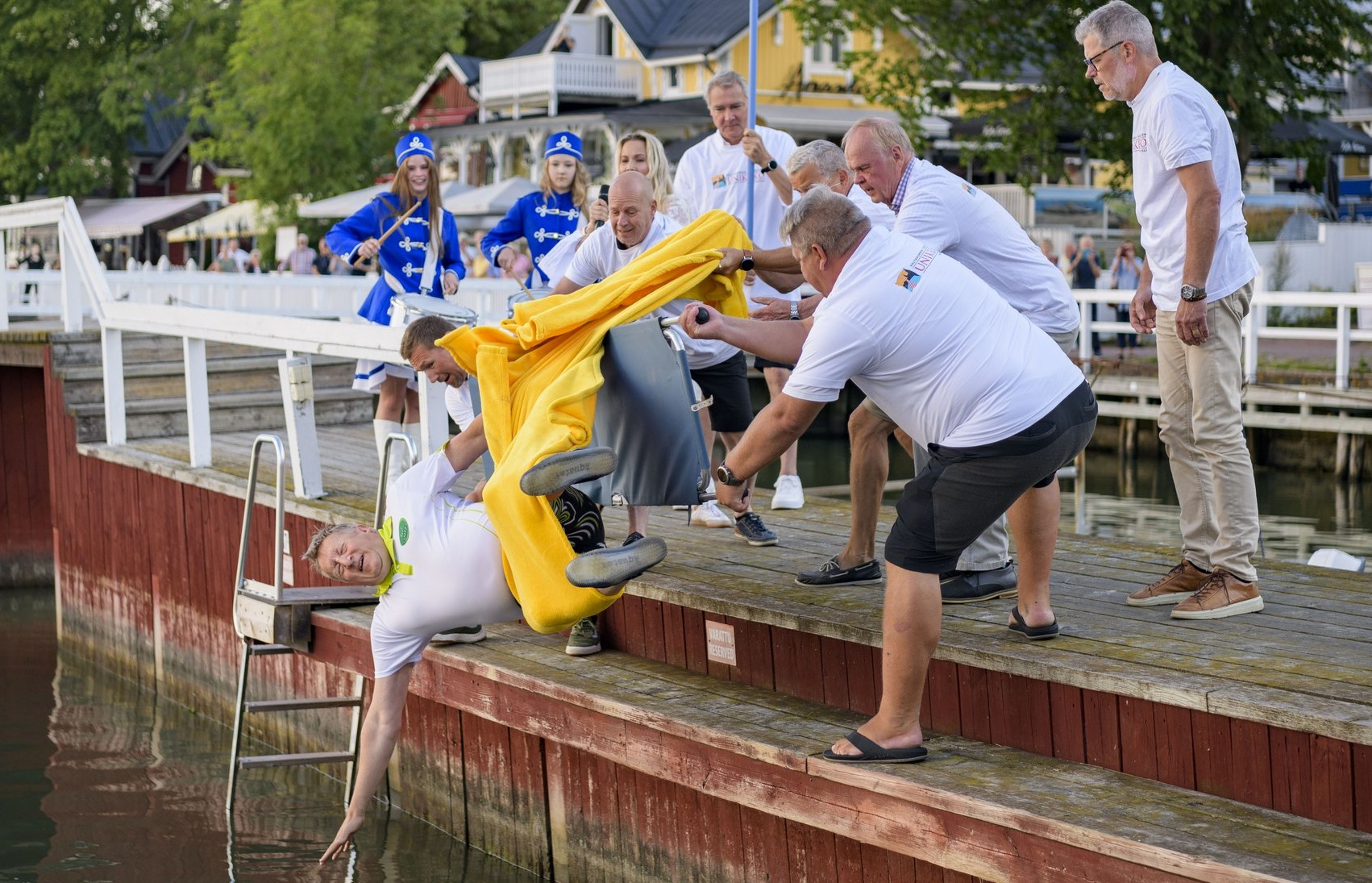
Every year, some families in Finland celebrate a holiday of sorts called “Unikeonpäivä,” which literally translates to “Day of the Sleep One.” But it’s more accurately described as “National Sleepy Head Day” — and it’s not an excuse to sleep late. In fact, it’s the exact opposite. In households that celebrate, the last person to wake is dubbed the “laziest” of the household, and that person was traditionally awakened with water, either by being thrown into a lake or the sea, or by having water thrown on them. The custom dates back to the year 250 CE, when, per Christian legend, Romans persecuted seven young men for wanting to practice Christianity. The boys sold their worldly goods to the poor and retire to a mountain cave to pray, where they fell asleep. The Emperor ordered the mouth of the cave to be sealed. The young men were dubbed the “Seven Sleepers,” and parts of Finland celebrate the legend. In an effort to get people to not oversleep the latest sleeper gets a watery punishment. (via Now I Know)
Hi everyone! Mathew Ingram here. I am able to continue writing this newsletter in part because of your financial help and support, which you can do either through my Patreon or by upgrading your subscription to a monthly contribution. I enjoy gathering all of these links and sharing them with you, but it does take time, and your support makes it possible for me to do that. I also write a weekly newsletter of technology analysis called The Torment Nexus.
This 11-year-old has spent over 100 hours reading to dogs and cats at a shelter
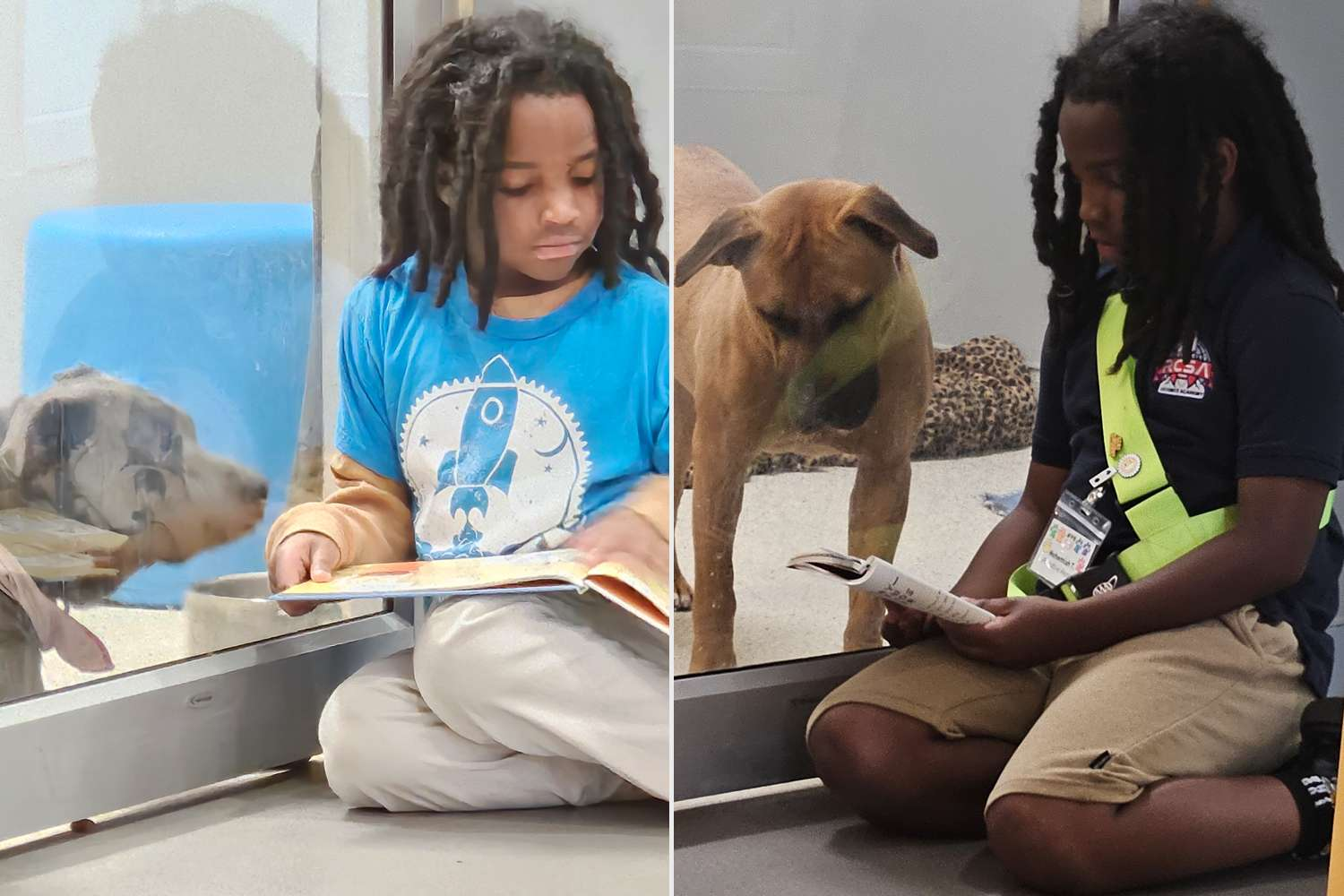
Most 11-year-olds spend their free time playing sports, video games or hanging out with friends. Nehemiah Turner chose something entirely different. The Florida boy has become the first child to complete more than 100 volunteer hours in the Jacksonville Humane Society’s Pawsitive Reading programme, where children read aloud to shelter dogs and cats waiting for adoption. Over more than two years, Nehemiah’s calm voice and unwavering dedication helped comfort anxious animals, making their stay at the shelter a little less stressful. His remarkable achievement has inspired animal lovers across the US, proving that a simple act of kindness can make a lasting difference to the lives of homeless pets. His story is a powerful reminder that compassion has no age limit, and that even small acts of service can improve animal welfare while inspiring others to give back to their communities. (via Times of India)
Joseph Palmer was persecuted in the early 1800s just for wearing a long beard
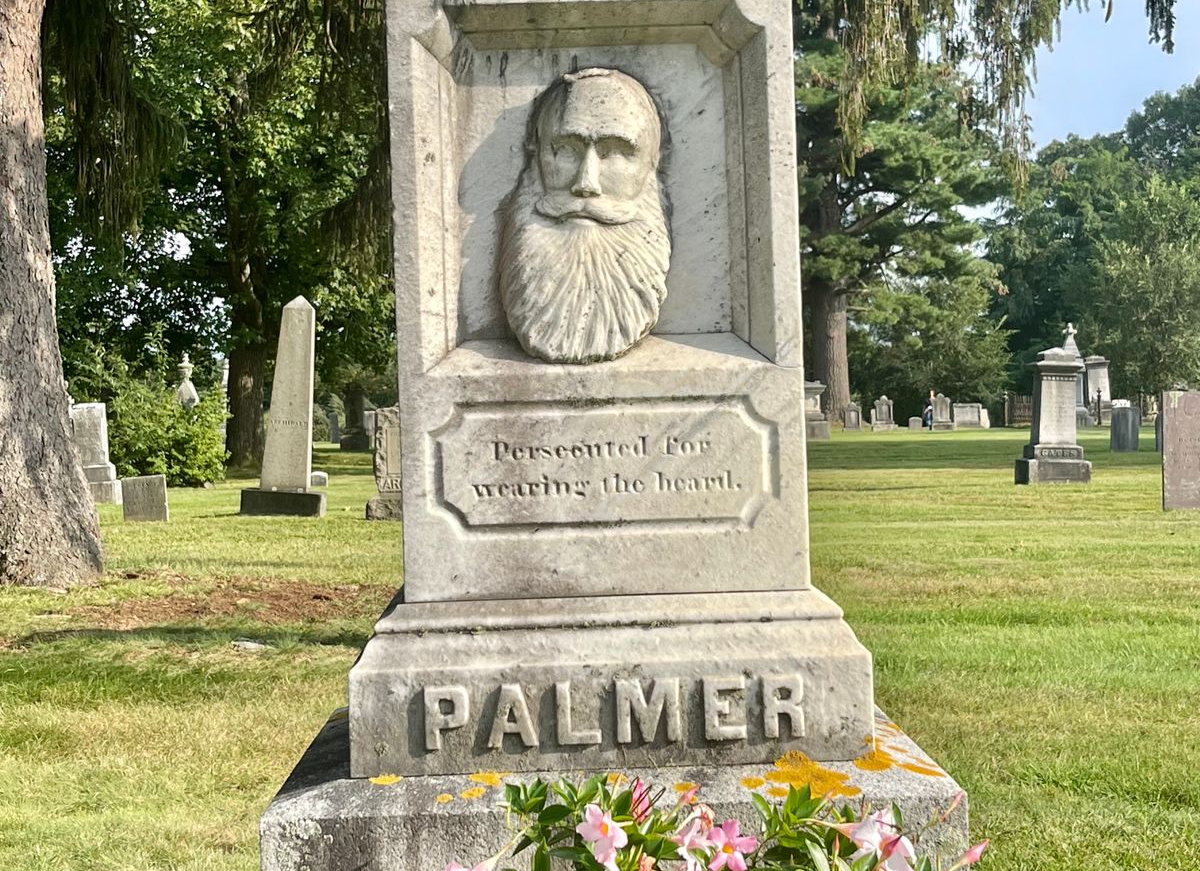
A farmer from Notown, a village on the outskirts of Leominster, Massachusetts, Palmer was a veteran of the War of 1812. Possibly influenced in childhood by a bearded itinerant evangelist named Lorenzo Dow, Palmer took to wearing a long beard. Few men in the US wore beards after about 1820, and Palmer was considered eccentric and slovenly. Nicknamed “the old Jew”, he was regularly harassed and questioned about his insistence on wearing a beard. One day early in May 1830, four men armed with scissors and razors attacked Palmer and attempted to shave him. Palmer successfully fended off his attackers. He was even able to use his jackknife to wound two of his assailants. Charged with “unprovoked assault”, Palmer refused to pay the $10 fine and was thrown into the Worcester County Jail and kept there for more than a year. Palmer joined the short-lived Fruitlands commune and bought the group’s property when it dissolved. Emerson and Henry David Thoreau visited him there. (via Wikipedia)
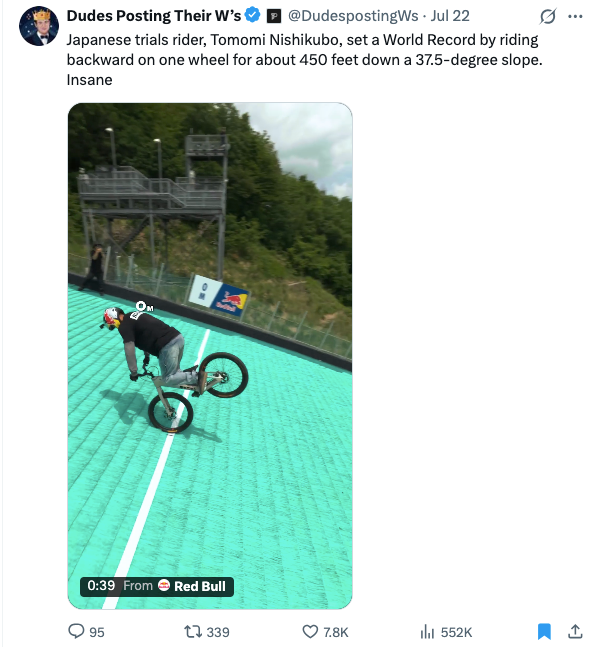
He set a world record by riding backwards on one wheel down a slope
Acknowledgements: I find a lot of these links myself, but I also get some from other places that I rely on as “serendipity engines,” such as The Morning News from Rosecrans Baldwin and Andrew Womack, Jodi Ettenberg’s Curious About Everything, Dan Lewis’s Now I Know, Robert Cottrell and Caroline Crampton’s The Browser, Clive Thompson’s Linkfest and Why Is This Interesting by Noah Brier and Colin Nagy. If you come across something you think should be included here, feel free to email me at mathew @ mathewingram dot com