
A Roomba of thought
Links that interest me and maybe you

You probably never knew there were TWO Fitzgeralds, did you? No one did. See, that was the problem. If they had known about the first one, things might have been different. The first Fitzgerald survived thirteen years on the Great Lakes, the second one, seventeen years. One was made of wood, the other of steel. One was powered by wind. The other ran on oil-fired engines. But none of that mattered to the waters of the Great Lakes. Both boats were lost . . . just four days short of 92 years apart. One was lost on November 14, 1883. The other on November 10, 1975. Both went down near shoals. One was lost at Long Point, the other near Whitefish Point. Not a single member of the crew on either boat survived. Any sailor will tell you, you never name a boat after one that was lost. They shouldn’t have called the second one the Edmund Fitzgerald. That was bad luck. You don’t build another Titanic, if you know what I mean. (via Great Lakes People)
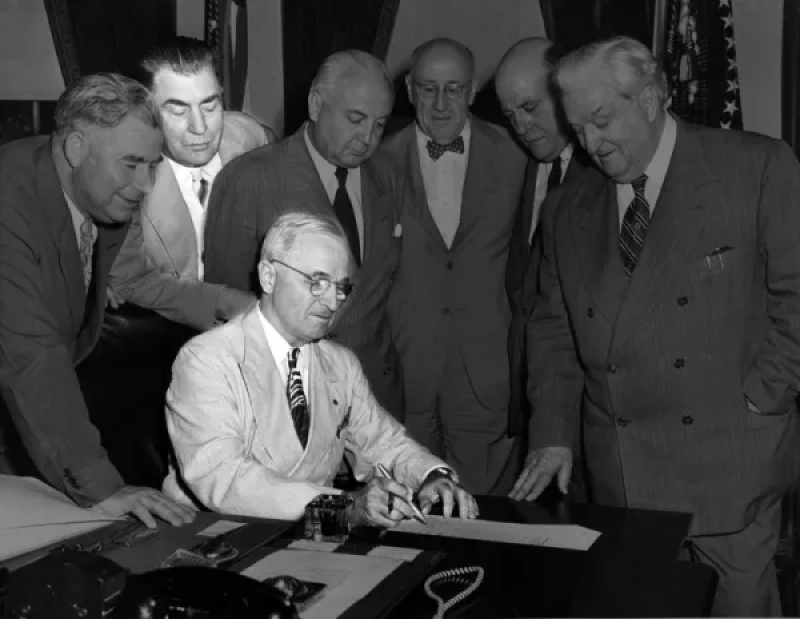
In September 1949, the United States detected radioactive residues which indicated that the Soviet Union had detonated their first atomic bomb. What should the US response be to the loss of its nuclear monopoly? This question raged in the weeks afterwards. This “H-bomb debate,” as it was called, was originally completely within the secret sphere. The fact that it was taking place was not known to the broader public. Eventually, on November 1949, it would leak to the public. The way in which that happened is one of the most bizarre and absurd situations in American nuclear secrecy. On November 1, 1949, at 8:00pm Eastern Time, a television show called “Court of Current Issues” aired on the WABD-TV and Dumont Television Network. The show was essentially a debate program, framed as a courtroom in which various experts would argue as if they were prosecuting the “current issue” as a court case. This episode’s subject was: “Is there too much secrecy in our atomic program?” (via Restricted Data)
Note: This is a version of my When The Going Gets Weird newsletter, which I send out via Ghost, the open-source publishing platform. You can see other issues and sign up here.
Continue reading “Two ships were named after Ed Fitzgerald and they both sank”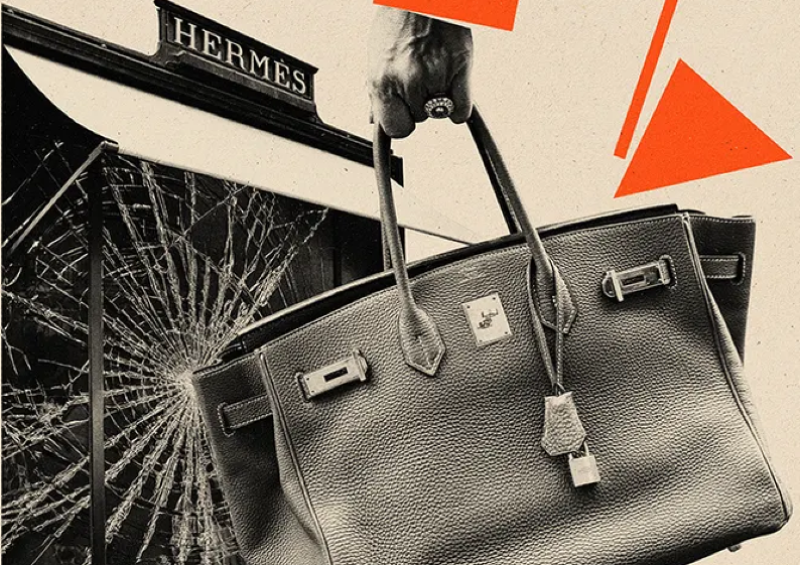
In September 2022 the board of the Isocrates foundation gathered in Florence for its annual meeting. Its founder, Nicolas Puech, was the largest individual shareholder in Hermès. From 2004 he owned nearly 6% of the company, a stake that would now be worth €13bn ($15bn). Puech, who is part of the Hermès family, has no children. The entirety of his vast fortune was destined for the Isocrates foundation, which he had set up in 2011 on the advice of his Swiss banker of 24 years, Eric Freymond. What followed came as a shock to everyone involved. Freymond returned home to find a letter dismissing him from the board. By October Puech had revoked the powers he had granted Freymond to manage his money. He later filed a criminal complaint in Geneva, accusing Freymond of “massive fraud”. Puech had realised that his Hermès shares were nowhere to be found. Worse still, they had been missing for more than a decade. Hermès itself had no idea where they were. (via The Economist)
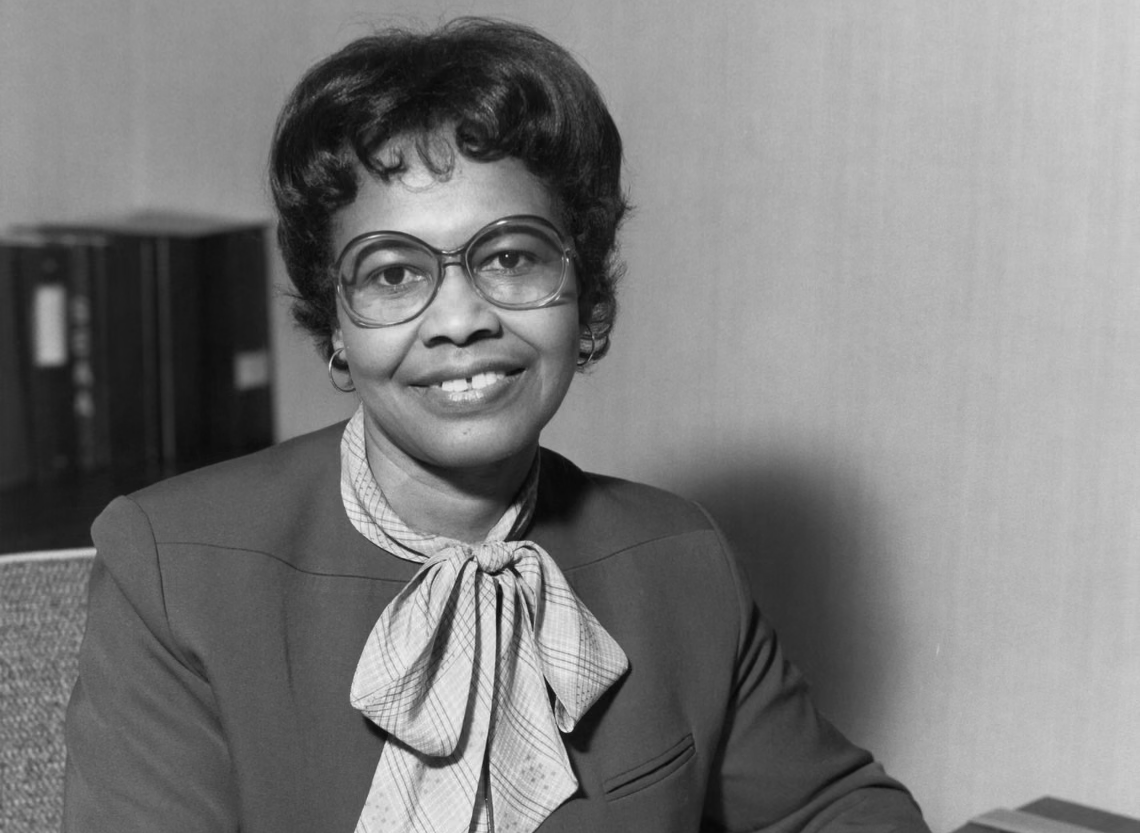
Gladys West knew from a young age that she didn’t want to be a farmer. But the mathematician, born in 1930 in Dinwiddie County, Virginia, still had to help harvest crops on her family’s small farm. The hard work started before daybreak and lasted well into the blistering heat of the afternoon. She hated the dirt but, while she worked, she kept her mind on the building behind the trees at the end of the farm. It was her school, and even then she knew it would be her ticket to freedom. “I was gonna get an education and I was going to get out of there. I wasn’t going to be stuck there all my life,” West, 89, says firmly, via an interview on Zoom in her home in Virginia. What she could not have guessed was that this focus would shatter the perceptions of black women of the time and even lead to the invention of one of our most widely used inventions – GPS, the global positioning system. (via The Guardian)
Note: This is a version of my When The Going Gets Weird newsletter, which I send out via Ghost, the open-source publishing platform. You can see other issues and sign up here.
Continue reading “An heir to the Hermès empire was swindled out of $15B”
A few weeks ago, I wrote a post for The Torment Nexus called “The social web is dying. Is that a good thing? in which I looked at the decline of what we used to call social networking back in the day, or “micro-blogging” even further back (yes, I am dating myself, but just wait until I get going!). Evidence has been growing steadily that social media as we have known it in the past — Twitter, Facebook, Instagram, Snapchat, even TikTok — is not growing at anything like the pace it did before, and in some cases is already shrinking. The Financial Times recently reported that a study it commissioned – an analysis of the online habits of 250,000 adults in more than 50 countries — found social media use peaked in 2022 and has since gone into steady decline. Adults aged 16 and older spent an average of two hours and 20 minutes per day on social platforms at the end of 2024, down by almost 10 per cent since 2022. The share of people who report using social platforms to stay in touch with their friends, express themselves or meet new people has fallen by more than a quarter since 2014. Instead, it has become television.
Why has this happened? Plenty of people have theories, and some of them may even be right. One of the obvious culprits is the corporatization of social media, in which giant tech corporations fueled solely by the profit motive took over, something that the decline and fall of Twitter more or less sums up, at least for me. When it launched in 2007, it was just a somewhat ridiculous toy designed by a handful of people who had no real idea what they were doing — which was part of the fun! Random people shared random thoughts, and it was a great tool for meeting new people from all walks of life. I not only got a job using it, but made some great friends. As it grew, the folks who ran it remained committed to their core beliefs, and among other things helped fuel popular uprisings known collectively as the Arab Spring (most of which failed, but that’s a separate story). As social media grew and became more valuable, corporate raiders with no principles whatsoever took over, and the end result was what my friend Cory Doctorow has colorfully termed “enshittification.”
There are other problems, however — ones that corporations and/or billionaires are not entirely responsible for. Could it be that the dream of social networking, where millions of people could share their innermost thoughts with millions of other people instantaneously, wasn’t actually something worth striving for, and in fact wasn’t beneficial in any way, either for those individuals or for society? In my previous post, I wrote: “It’s entirely possible that social media in the early 2000s worked in part because there were weren’t a lot of people using it, and the real problems started when everybody showed up. Not just because that brought people with widely diverging and in come cases horrible opinions and the urge to share them, but because those massive numbers of people attracted the Facebooks of the world, who then proceeded to enshittify everything.”
Note: This is a version of my Torment Nexus newsletter, which I send out via Ghost, the open-source publishing platform. You can see other issues and sign up here.
Continue reading “Why blogging is better than social media”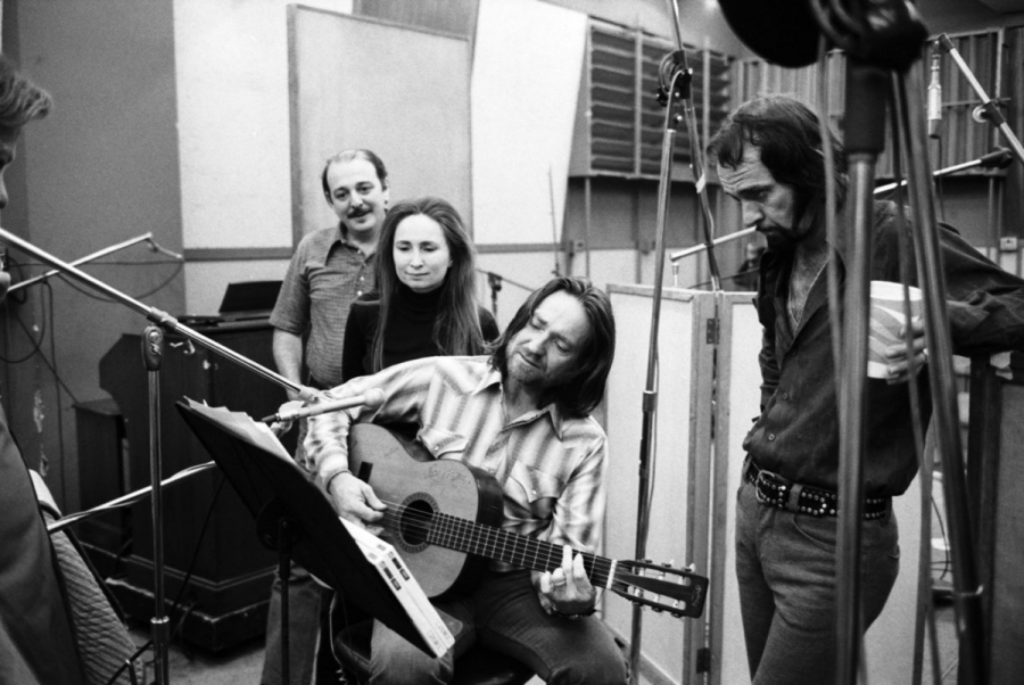
For almost fifty years, Paul English has spent his nights literally watching Willie Nelson’s back, as his drummer. The rest of the time he has functioned as Willie’s more figurative back—a job that runs 24/7. From the drummer’s chair, English sees everything, just like the catcher on a baseball team. His oversight goes far beyond maintaining the odd, minimalist beats that guide Willie’s music. For him, the drummer’s chair is the perfect perspective for running the most storied touring organization in country music. More important than being Willie’s drummer is Paul English’s combined role as the road boss of Willie’s traveling company, tour accountant, protector, collector, and enforcer, roles embellished by his proud past as a hoodlum, pimp, and police character. There’s an understanding shared by one and all: Mess with Willie Nelson and the next thing you’ll see is the wrong end of a gun held by the Devil himself. (via the Oxford American)

Deep in the forests of the Japanese Alps, Shinto priests keep watch as woodsmen dressed in ceremonial white chop their axes into two ancient cypress trees, timing their swings so that they strike from three directions. An hour later, the head woodcutter shouts, “A tree is falling!” as one of the 300-year-old trees crashes down, the forest echoing with a deep crack. A moment after, the other cypress topples over. The ritualistic harvesting of this sacred timber is part of a remarkable process that has happened every two decades for the last 1,300 years at Ise Jingu, Japan’s most revered Shinto shrine. Each generation, the Ise complex is knocked down and rebuilt from scratch, a massive, $390 million construction job that takes about nine years. It requires the country’s finest carpenters, woodcutters, builders and artisans to pour their hearts into the smallest details of structures that are doomed from the moment the work begins.(via AP)
Note: This is a version of my When The Going Gets Weird newsletter, which I send out via Ghost, the open-source publishing platform. You can see other issues and sign up here.
Continue reading “The former hustler who is Willie Nelson’s drummer and enforcer”
Why is there a cow buried on the campus of the University of Illinois, complete with a memorial plaque? Because she was the greatest milking cow of all time, that’s why, and set new records for production that have yet to be broken. Illini Nellie (1927–1940) was a Brown Swiss, and became legen-dairy (sorry) in the 1930s, setting records for milk and milk-fat production for over 12 years in a row. According to the plaque, she produced so much milk that 23.5 families could have consumed a quart of it every day for 10.5 years. Nellie joined University regent John Milton Gregory — whose final resting place is near a shaded path between the Henry Administration Building and Altgeld Hall — as the only Illini to be buried on campus. Her grave, complete with a biographical marker, is at the University’s Lincoln Avenue Dairy. (via the UIAA)
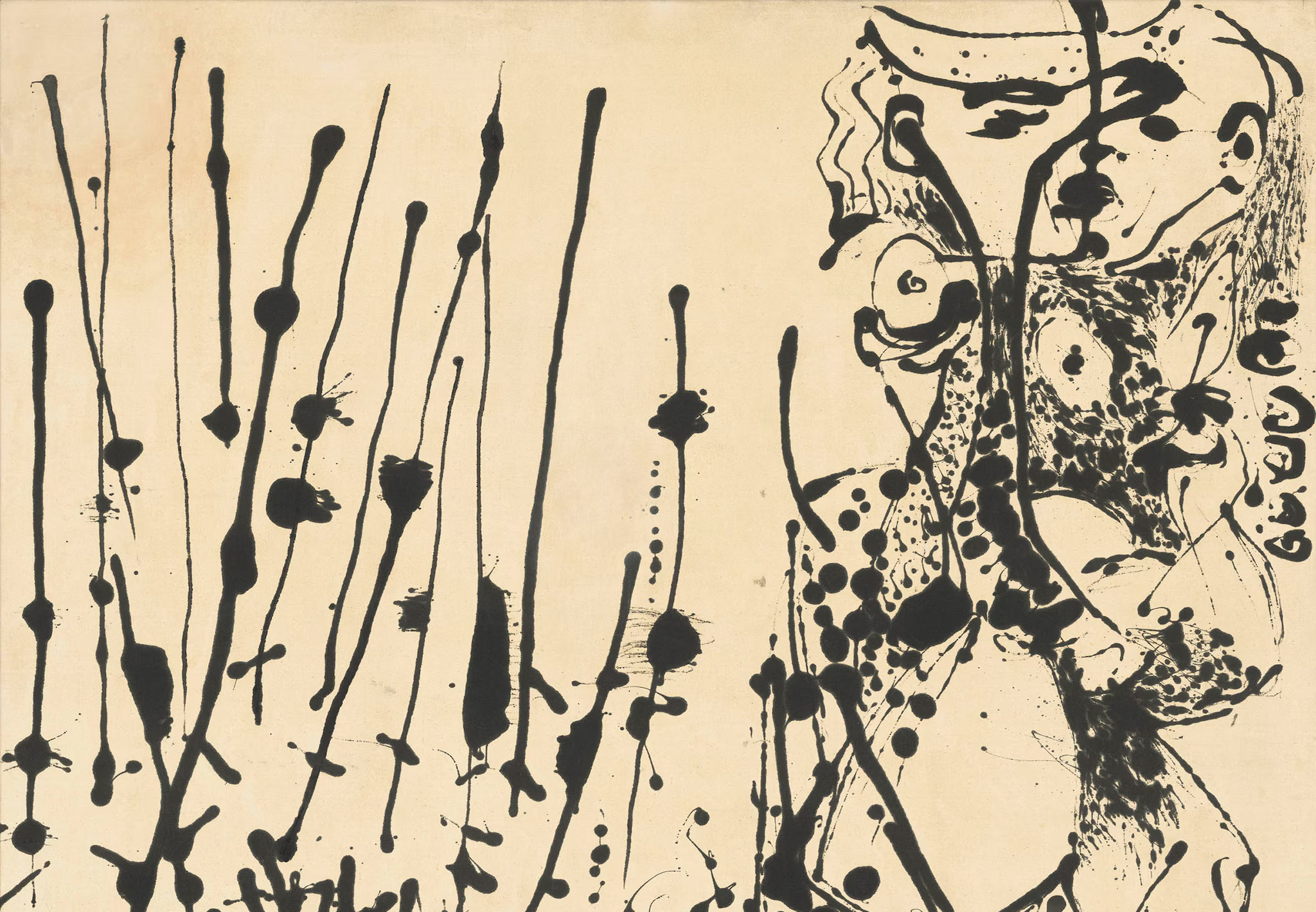
Merry White crumpled to the gallery floor. She had been walking around the East Building at the National Gallery of Art in 1984 when she’d suddenly found herself standing in front of a painting by Jackson Pollock. She recognized the work — a 1951 painting in black enamel on canvas, splashy but not abstract — and was suddenly so overwhelmed that she felt her legs about to give way. White knew “Number 7, 1951” intimately because her father, Reginald Isaacs, had acquired the painting directly from Pollock. It used to hang over her bed when she was a child. In 1973, thieves broke into her parents’ apartment in Cambridge and stole “Number 7, 1951,” along with two other paintings by Pollock. One of those works, a combination of paint and collaged ink drawings, is still missing. Eric Gleason of Olney Gleason, which represents Pollock’s estate, said the missing artwork could be valued at up to $20 million. (via the Washington Post)
Note: This is a version of my When The Going Gets Weird newsletter, which I send out via Ghost, the open-source publishing platform. You can see other issues and sign up here.
Continue reading “Why is a cow buried on the campus of the U of Illinois?”

Elon Musk and Sam Altman are engaged in a courtroom clash of the titans over the origins of OpenAI, now one of the most important artificial intelligence companies in the world. In San Francisco federal court, they are suing each other in a dizzying series of claims and counterclaims. In Altman’s corner, there’s an arsenal of elite firms — including Morrison & Foerster and Wachtell Lipton Rosen & Katz — with a long track record representing Silicon Valley royalty. Musk has turned to a pair of boutique litigation shops. And at one firm, one of Musk’s lawyers is a clown. Jaymie Parkkinen has been in the trenches of the litigation, signing his name to some of the most contentious discovery disputes. In a July hearing, he singlehandedly faced down three lawyers representing OpenAI and Microsoft in the lawsuit. Outside of his work, he juggles clown performances and operates his own “Clown Cardio” business. (via Business Insider)
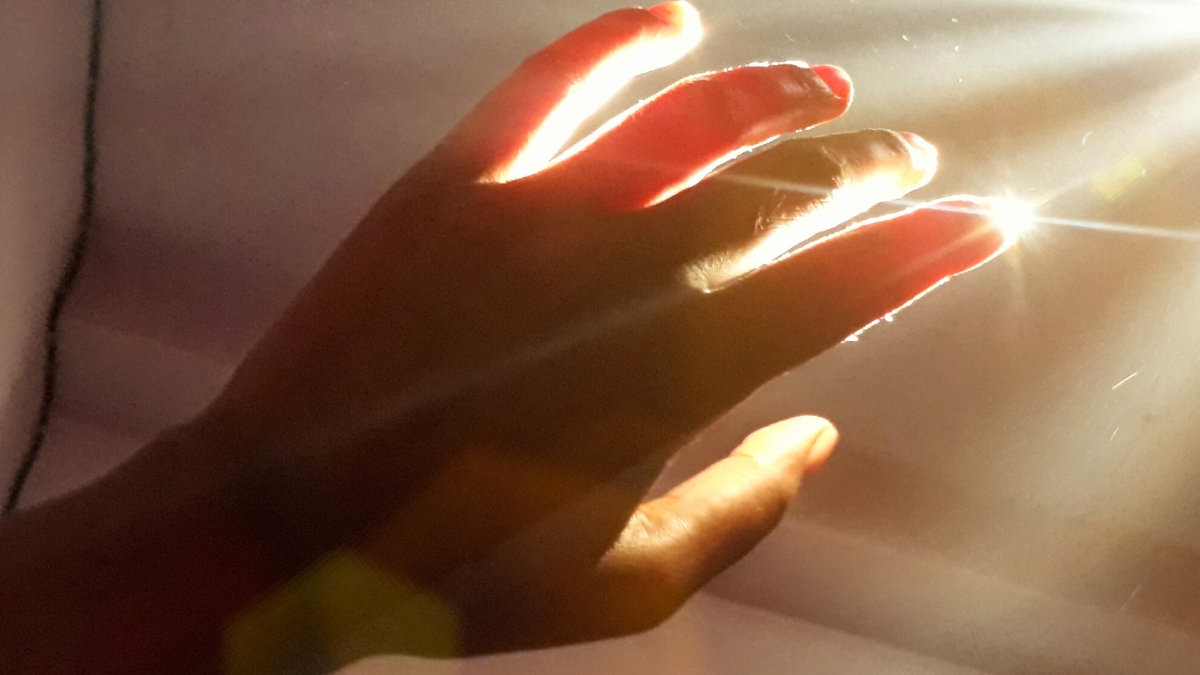
An extraordinary experiment on mice and leaves from two different plant species has uncovered direct physical evidence of an eerie ‘biophoton’ phenomenon ceasing on death, suggesting all living things – including humans – could literally glow with health, until we don’t. The findings might seem a little fringe at first glance. It’s hard not to associate scientific investigations into biological electromagnetic emissions with debunked and paranormal claims of auras and discharges surrounding living organisms. Visible wavelengths of light emitted by biological processes ought to be so faint that they’re easily swamped by ambient electromagnetic waves in the environment. Still, University of Calgary physicist Vahid Salari and his team have claimed to observe just that – an ultraweak photon emission produced by several living animals in strong contrast with their non-living bodies, as well as in a handful of plant leaves. (via Science Alert)
Note: This is a version of my When The Going Gets Weird newsletter, which I send out via Ghost, the open-source publishing platform. You can see other issues and sign up here.
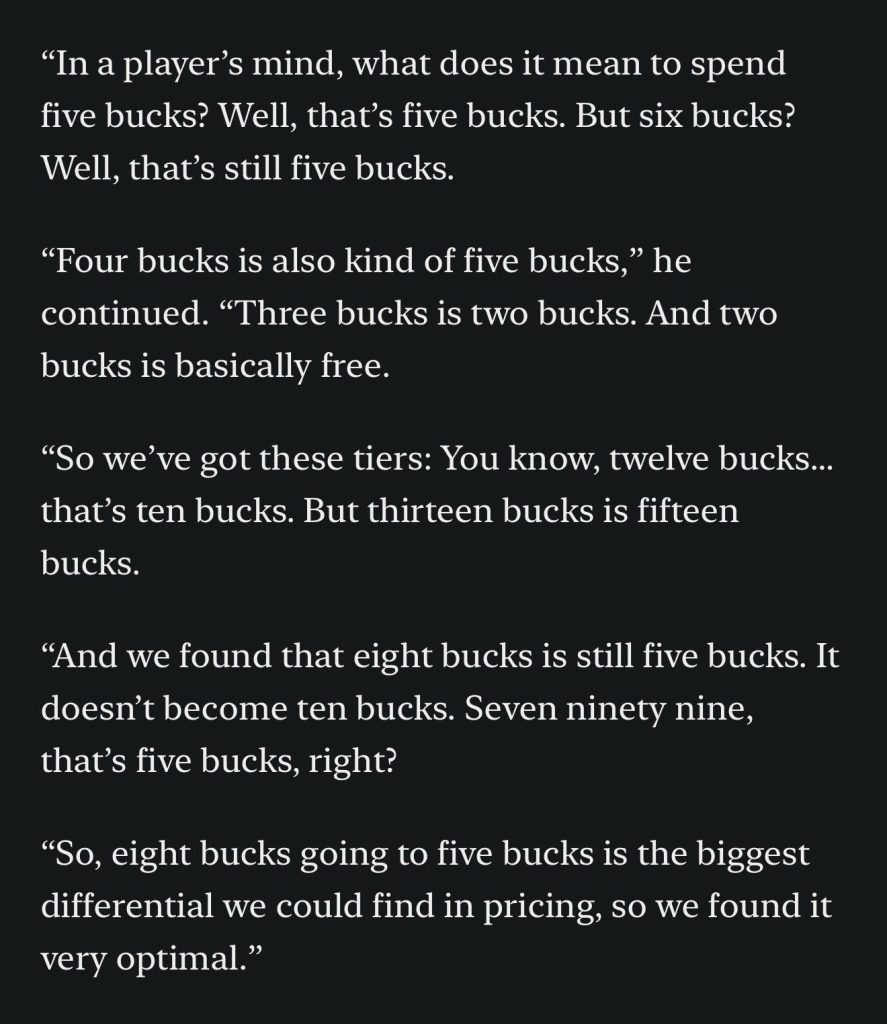
Continue reading “Lawyer representing Elon Musk is an actual working clown”The quote below comes from an interview with the developer of a popular video game, and gives a thumbnail breakdown of how they decided what to charge for the game:

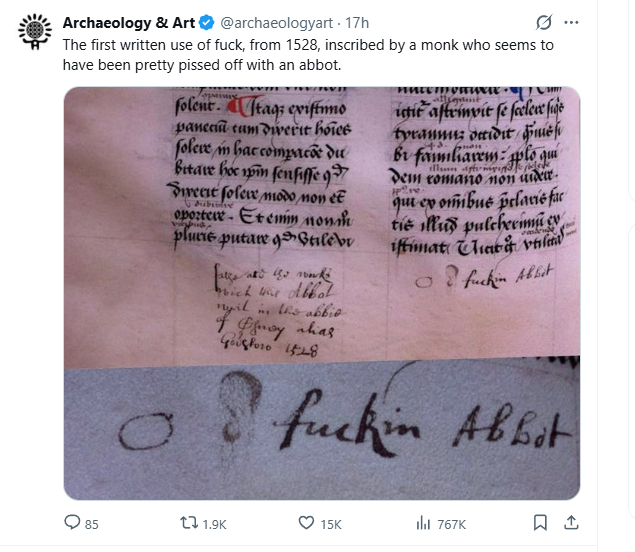
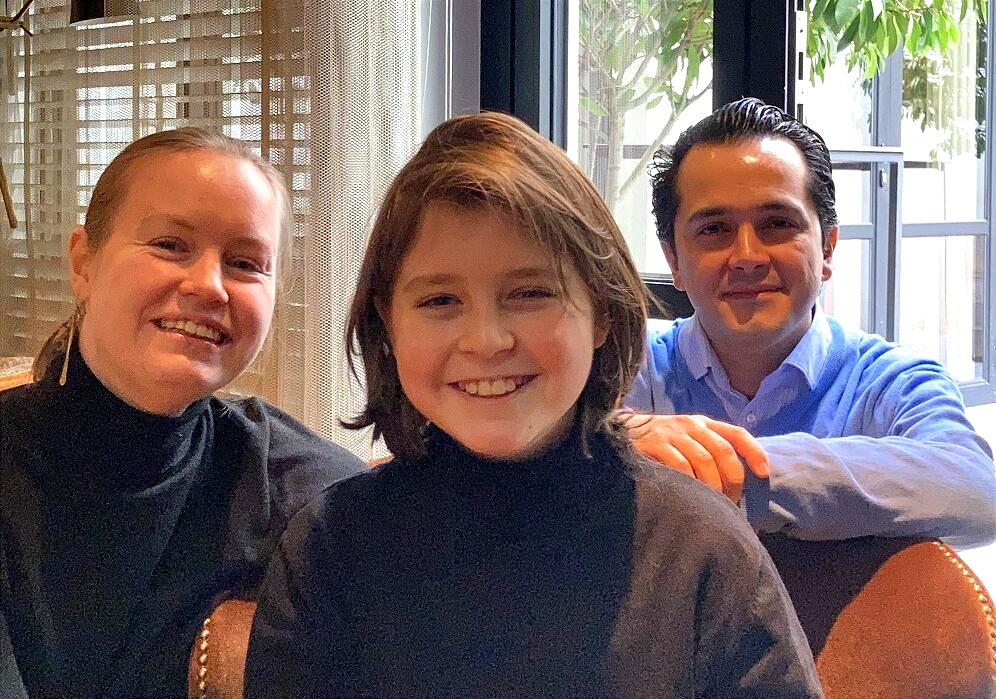
Belgian child prodigy Laurent Simons has officially become a doctor in quantum physics at just 15 years old. On Monday, he successfully defended his doctoral thesis at the University of Antwerp, VTM Nieuws reported. According to VTM, Laurent believes he may be the youngest person ever to obtain a PhD. His latest success marks a new peak in a trajectory that has fascinated the scientific world for years, a journey that began long before his teenage years. Laurent’s academic feats were already making headlines back in 2022. Then aged 12, he had just completed a bachelor’s degree in physics with distinction at the University of Antwerp, finishing the three-year programme in only 18 months. This came after graduating from high school at the age of eight. At the time, he was already being courted by major companies and wealthy benefactors eager to support his scientific ambitions. But Laurent remained unfazed. (via Brussels Times)

The early 20th century was a time of rapid technological innovation and of demanding greater responsiveness of government and society to the needs of the common man. These impulses carried into the field of medicine, where quacks promised to overturn the medical establishment to bring wondrous new cures directly to the people. John Brinkley, among the foremost practitioners of that dark art, made a fortune implanting goat testicles into gullible men to cure sexual dysfunction and other ravages of old age. His medical training was limited, his treatments implausible, and yet, during a career that spanned over a quarter century, he became one of the best-known doctors of his era, through his use of technology, salesmanship, and politicking. Brinkley’s success illustrates how eager the public can be for panaceas, regardless of merit. (via the NLM)
Note: This is a version of my When The Going Gets Weird newsletter, which I send out via Ghost, the open-source publishing platform. You can see other issues and sign up here.
Continue reading “This Belgian teen just got his PhD in quantum physics”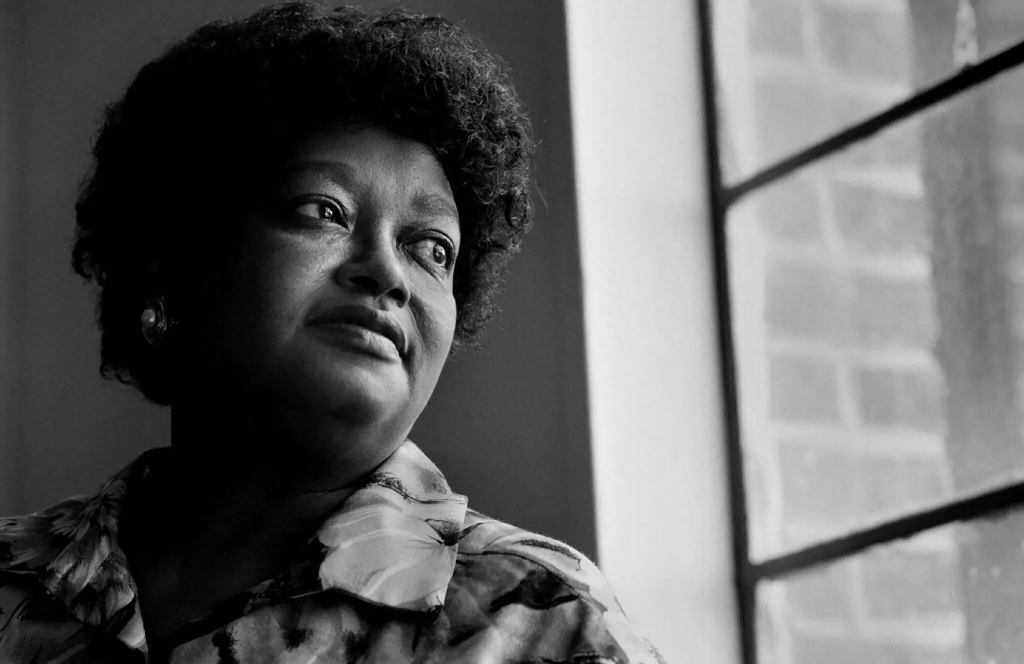
Claudette Colvin, whose refusal in 1955 to give up her seat to a white woman on a segregated bus in Montgomery, Ala., came months before it was overshadowed by a similar act of resistance in the same city by Rosa Parks, a historic moment that helped galvanize the civil rights movement, died on Tuesday in Texas. She was 86. She was just 15 when she boarded a Montgomery city bus on March 2, 1955. The seating was segregated, with Black riders forced to the back. To add to the indignity, Black riders were not allowed to occupy the same row as white riders, which meant that they had to move back even if there were empty seats. Her arrest was big news in Montgomery. Many felt that the time was ripe for a mass protest against local segregation laws, starting with public transit. But local civil rights leaders decided not to make Ms. Colvin their symbol of discrimination. She was, she later said, too dark-skinned and too poor to win the crucial support of Montgomery’s Black middle class. (via the NYT)

Apple employees were once instructed to ensure that the screens of all laptops displayed in its stores were angled at exactly 70 degrees. But a while back, that instruction changed, a source tells Business Insider: Now, Apple laptop screens must all be set at exactly 76 degrees. The reason remains the same: The laptop screens tempt customers to adjust the screens when they look at a new Macbook. That requires them to touch the screen, thus letting them feel the full benefit of that all-metal seamless casing and the dampened hinge that sets the screen just-so. The new angle will make the laptops look just a leeetle bit more closed than they were before. Apple store employees use the Simply Angle app on their iPhones to get this angle just right. Simply Angle is an automated angle-measurer, a bit like a protractor, except that it uses the accelerometer on your iPhone to read off what angle the phone is being held at. (via Business Insider)
Note: This is a version of my When The Going Gets Weird newsletter, which I send out via Ghost, the open-source publishing platform. You can see other issues and sign up here.
Continue reading “She refused to give up her seat months before Rosa Parks”
Last March — which feels like a hundred years ago now — I wrote a post titled “Be careful what you post on social media: They are listening,” in which I looked at how the Immigration and Customs Enforcement branch of Homeland Security had become a kind of secret police force, and was starting to monitor people’s social-media posts, looking for evidence of what the Trump administration loves to refer to as “antifa terrorism,” otherwise known as expressing your thoughts on a variety of topics (otherwise known as free speech). When I wrote that, ICE had recently kidnapped a former student named Mahmoud Khalil — who had a valid green card — for attending a rally on Palestine, and sent him to a prison in Louisiana (he is still fighting a deportation order). In a follow-up post, I wrote about how ICE had detained a grad student — Rumeysa Öztürk — for co-writing an op-ed piece in a campus newspaper that was critical of Israel’s actions in Palestine. In a third post, I wrote about how the Trump administration was building a “Panopticon,” a coordinated surveillance machine to track potential malefactors so that ICE could jail and/or deport them. Here’s an excerpt:
It seems quaint now, but not that long ago, one of the biggest reasons for concern about the surveillance of our behavior by massive internet platforms like Facebook, Google, and Amazon — or by companies buying click data and GPS location from our smartphones — was that they might use that information to flog advertising at us in a more personalized and irritating way. This was supplanted quickly by a fear that our data might be used by foreign agents like the Internet Research Agency, a “troll farm” linked to Russian dictator Vladimir Putin, or by those who wanted to target voters in order to get Trump elected. Those things are bad, obviously, but compared to what is happening now, they seem almost anodyne — like being concerned that you might get a bug bite while on a picnic in the woods, compared with seeing a massive grizzly bear advancing on your location, its teeth bared and its intentions obvious.
In the Panopticon post, I mentioned that — as reported by 404 Media — an ICE contractor known as ShadowDragon had the ability to monitor more than 200 social media and other sites, including Bluesky, OnlyFans, Instagram, etc. The agency had already been using an AI-powered tool called Giant Oak for a number of years to scan social media posts for content deemed “derogatory” to the US. Screenshots published by 404 showed that analysts could search the system for identifiers such as name, address, email address, and country of citizenship, and the software would provide a “ranking” from zero to 100 based on the criteria provided. Analysts could click on a specific person and review images collected from social media or elsewhere, as well as reviewing their “social graph,” potentially showing who the system believed they were connected to.
Note: This is a version of my Torment Nexus newsletter, which I send out via Ghost, the open-source publishing platform. You can see other issues and sign up here.
Continue reading “Surveillance: It was already bad and it’s getting worse”