Note: This is a version of my personal newsletter, which I send out via Ghost, the open-source publishing platform. You can see other issues and sign up here.
Egyptian mummies, long an object of modern fascination, seem to link us with the ancient past by preserving distinct human form. But this was not the true reason for the intricate process, according to a new British exhibition. The technique was instead a way of transforming dead dignitaries into a shape that the gods would accept. So, rather than ensuring the survival of individual features, mummification aimed to make the occupant of a tomb match a divine formula. “The idea that we inherited from the Victorians, that it was all done to keep a dead body just as it was in life, is not right,” said Campbell Price, a leading Egyptologist whose book will accompany the exhibition. “It is flawed, and we now believe it was intended to steer them towards divinity.”
We’ve hit an information-scaling threshhold
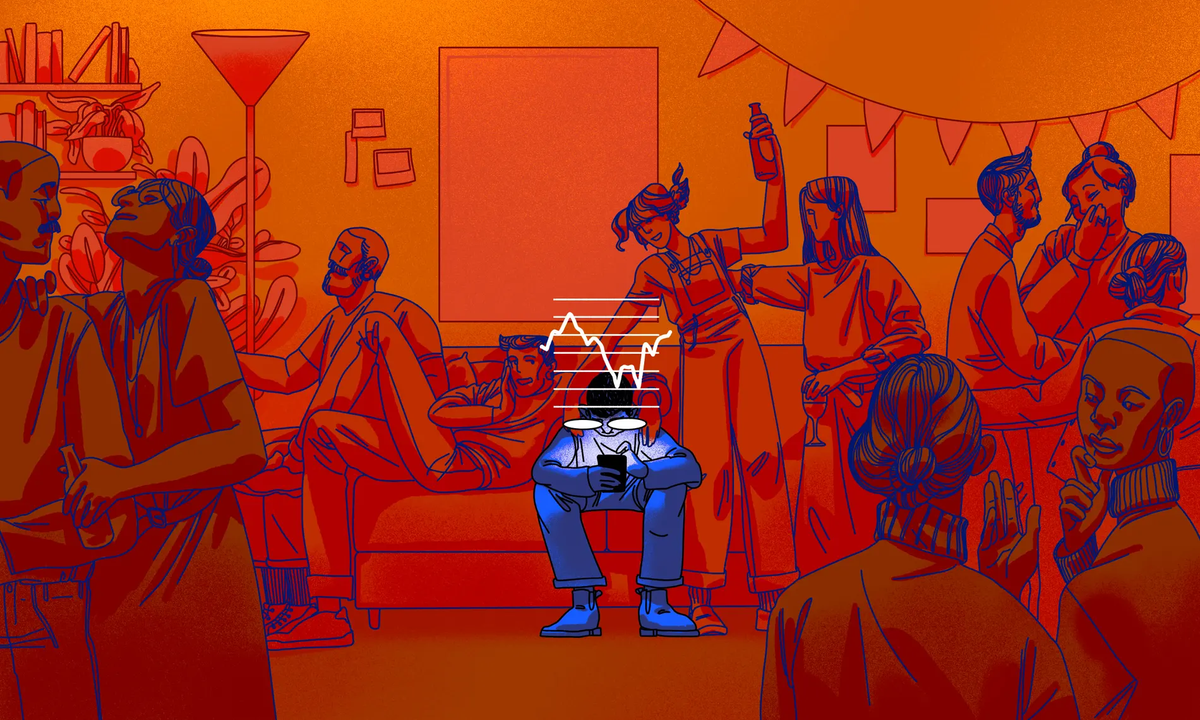
The internet has massively increased the complexity of our information environment, but hasn’t yet produced the tools to make sense of it. Old forms of social sensemaking—institutions, universities, democracy, tradition—all seem to be DDOS’d by the new information environment. They can’t keep up! We fractally fragment understandings, then algorithmically amplify the confusion to maximize engagement. The most effective coordination mechanisms left seem to be memes and conspiracy theories. Paul Tillich posits that when social sensemaking fails to keep up with reality, we experience it as a kind of mass neurosis. Everybody has a crisis of meaning at the same time. Life stops making sense. Anyone living through 2016 onward knows that feeling. The Permaweird.
Continue reading “Most of our past theories about Egyptian mummies are wrong”