Note: This is a version of my personal newsletter, which I send out via Ghost, the open-source publishing platform. You can see other issues and sign up here.
On the side of Kulen Mountain, where looters stole a sandstone sculpture depicting Prajnaparamita, the goddess of transcendent wisdom. The statue — 59 inches high, 15 inches wide — is missing one arm, the other chopped off at the elbow. For more than two decades, this stolen relic sat more than 8,000 miles away in the Denver Art Museum’s collection, its journey marked by falsified documents, an elaborate laundering scheme and the assistance of a Colorado woman referred to in court records only as “The Scholar.” An investigation showed that a respected Denver Art Museum consultant named Emma Bunker helped a man accused of being one of the world’s most prolific art smugglers flourish for decades, legitimizing his looted collection through her work.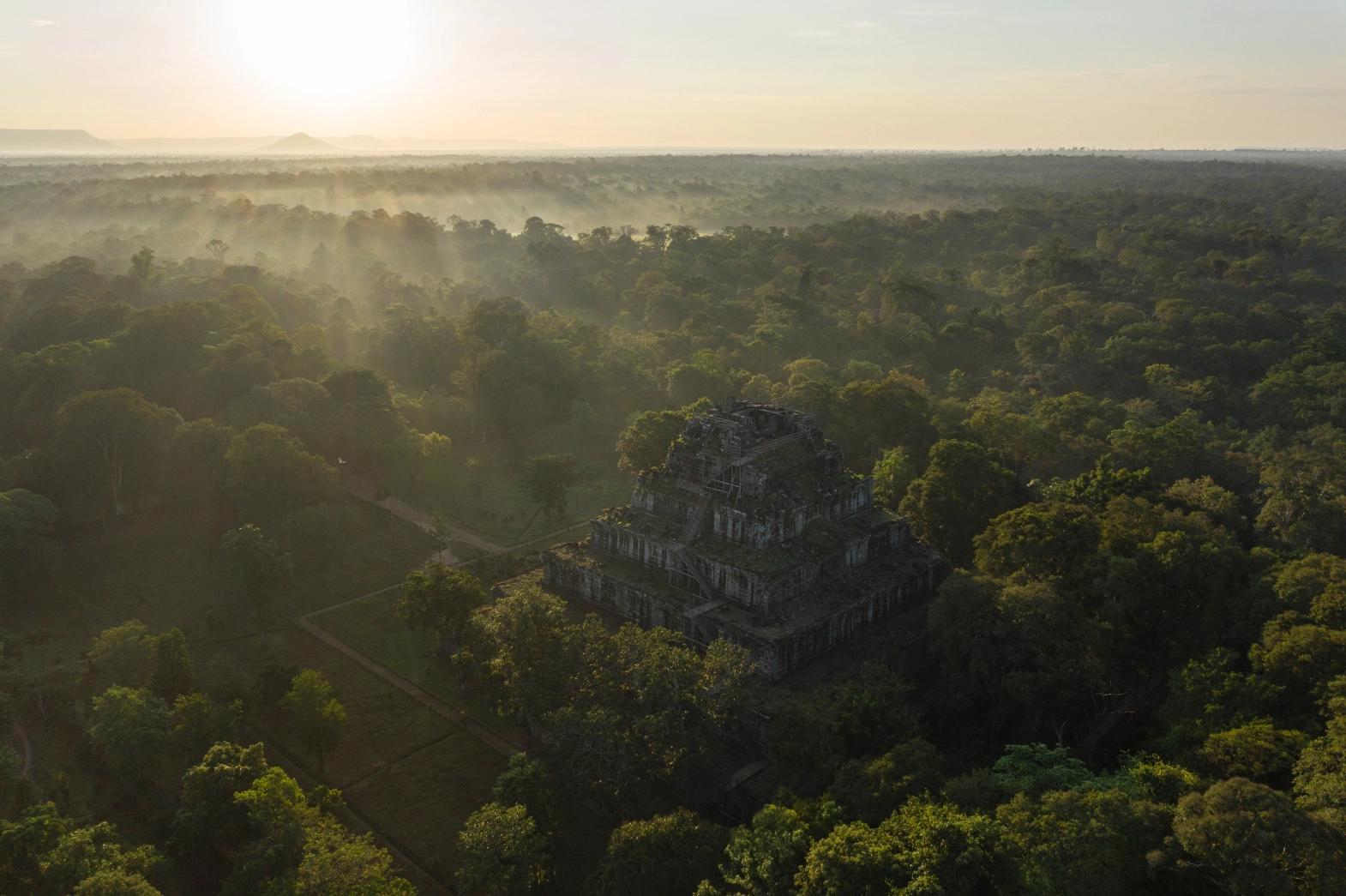
The obscure German nobleman behind the attempt to overthrow the government
The Waidmannsheil hunting lodge sits on a hill on a bend of the Saale River in the eastern German state of Thuringia. It belongs to the Reussens, a former noble family who ruled the area for 800 years. The present lord of the manor is Henry XIII. Prince Reuss, an entrepreneur who established himself in Frankfurt as a real estate mogul. Some residents of the small town had been wondering for some time what the 71-year-old was up to. Since Wednesday, it seems clear what was going on behind the massive walls. Early that morning, the GSG9, a special German police force, moved in to root out a suspected right-wing extremist terror cell. It is believed to include at least 25 members and helpers, and 29 other men and women are also under investigation.
Continue reading “The woman who helped run a global art smuggling operation”