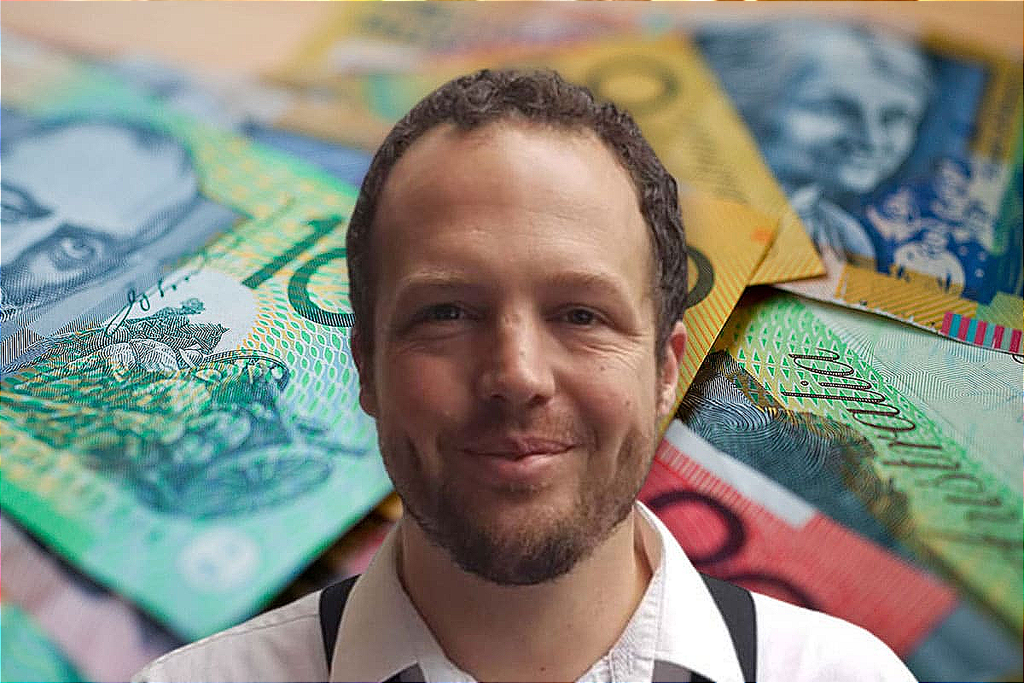
An Australian man who defrauded a bank by exploiting an ATM loophole said he does not regret his actions after using the money to fund a lavish lifestyle for months. Dan Saunders managed to spend more than AUS$1.6m ($1.1m) in just over four months after he found he could withdraw money from his account without the transactions being registered. Now out of prison, Saunders has told Australian media how he managed to blow the money on “having a good time and just enjoying things really.” These extravagant purchases include eating at high-end restaurants, buying drinks all night for people in bars, gambling, and even hiring a private jet so him and his friends could go on vacation. The story of how Saunders managed to afford his newfound millionaire lifestyle began after he attempted to withdraw some cash at a National Bank Australia machine in Wangaratta, Victoria, in 2011. After seeing his account was empty, Saunders transferred cash from his Mastercard to his savings account. He said the screen then said “transaction cancelled,” but the machine still gave him the $200. (via Newsweek)
After the Battle of Waterloo teeth were taken from the battlefield and made into dentures
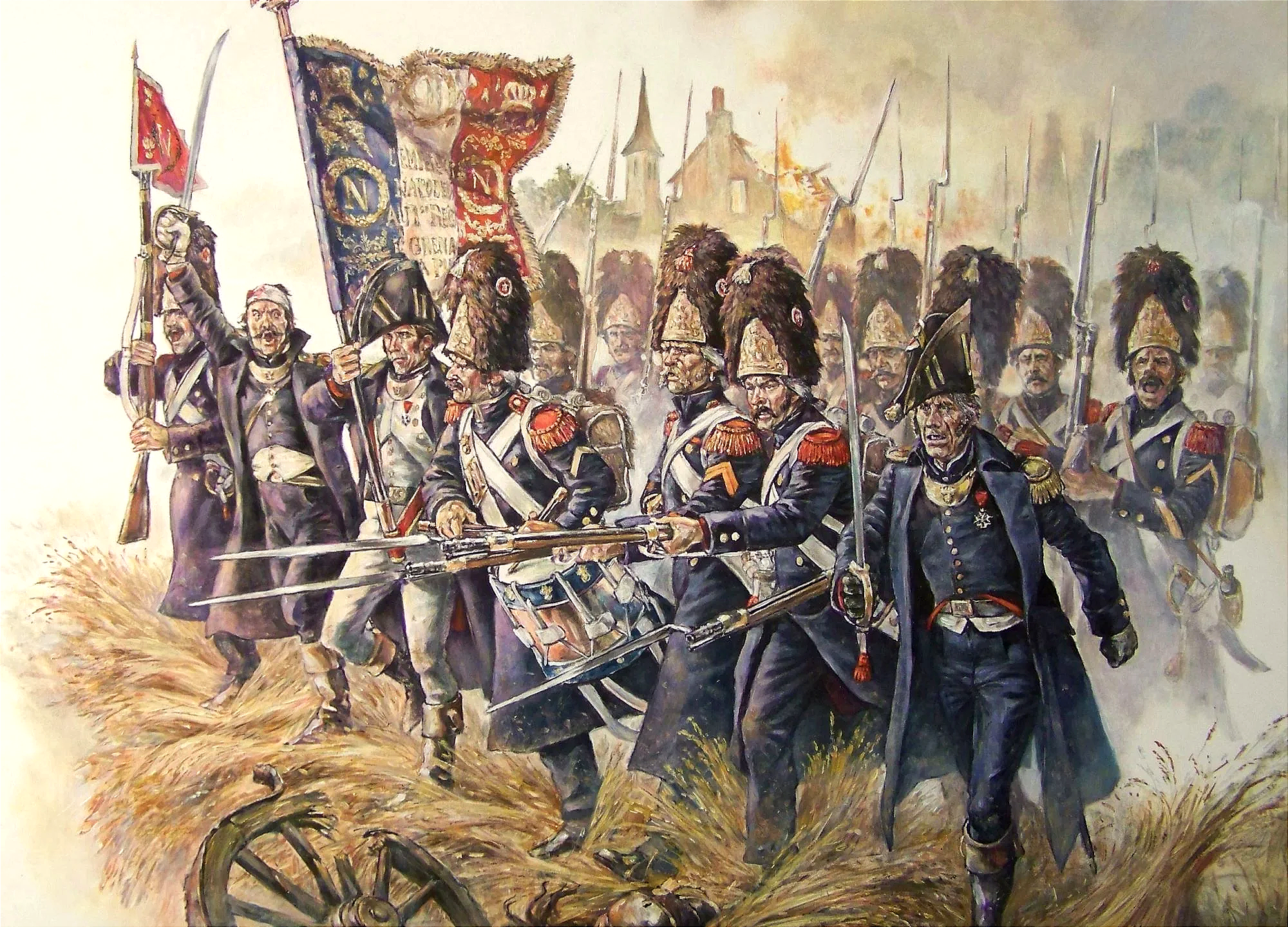
Historians estimate that by the morning following the Battle of Waterloo, the 50,000 bodies that lay dead or dying on the battlefield had been stripped of everything of value including their teeth. Local scavengers, surviving soldiers and professional body scavengers were all known to work on the battlefield. Some body snatchers of London were known to get jobs following the British army. Transported back to England, the teeth were sold to the ivory turners and jewellers and those beginning to make a full-time living from the making of artificial teeth. Sorted and shaped, the teeth were riveted into a hippopotamus or walrus ivory base. Examples on display in the exhibition explore the methods and skill in how these human teeth were attached. The many processes involved ensured the denture took at least six weeks to complete. Not surprisingly they were very expensive to buy. In 1782 Martin Van Butchell of London advertised a full set of ivory dentures with human teeth for £100. (via Nature)
Note: This is a version of my When The Going Gets Weird newsletter, which I send out via Ghost, the open-source publishing platform. You can see other issues and sign up here.
She was the world’s tallest burlesque dancer in the 1950s at six foot eight inches
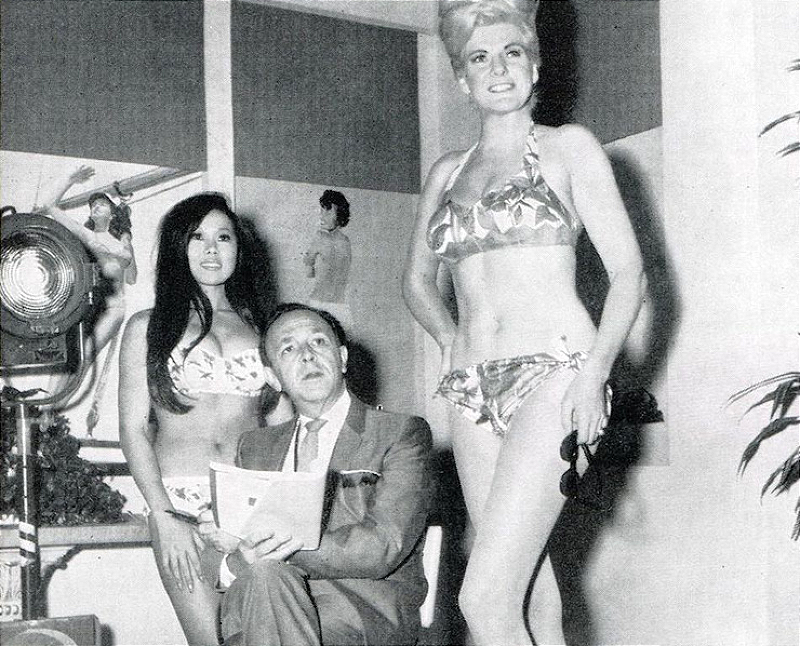
Irene Jewell, a longtime Costa Mesa resident who from the 1950s through 1970s went by the stage name Ricki Covette and was the world’s tallest burlesque dancer, died about two weeks shy of her 91st birthday. Promotional materials billed the 6-foot-8 performer as the “Amazon” woman, a “Glamazon,” the “girl of tomorrow today.” In an interview with the Daily Pilot in December 2014, Jewell noted how the story of her burlesque days was having a resurgence through documentaries, Internet fan sites — even the Smithsonian Institution. Before she died, she gave some of her personal albums to the institution’s National Museum of American History. Jewell was born in Canada in 1925. She grew up wanting to be a singer and dancer, and despite not possessing natural talent for either, she succeeded in the fiercely competitive entertainment industry through hard work, professionalism and training. According to her family, Jewell’s credits include appearances in the 1966 films “The Swinger” and “A Funny Thing Happened on the Way to the Forum” and in the 2010 Leslie Zemeckis documentary, “Behind the Burly Q.” When her entertainment career ended, Jewell worked in real estate. (via the LA Times)
Hi everyone! Mathew Ingram here. I am able to continue writing this newsletter in part because of your financial help and support, which you can do either through my Patreon or by upgrading your subscription to a monthly contribution. I enjoy gathering all of these links and sharing them with you, but it does take time, and your support makes it possible for me to do that. I also write a weekly newsletter of technology analysis called The Torment Nexus.
A Maine family’s apple tree turned out to be connected to the French revolution
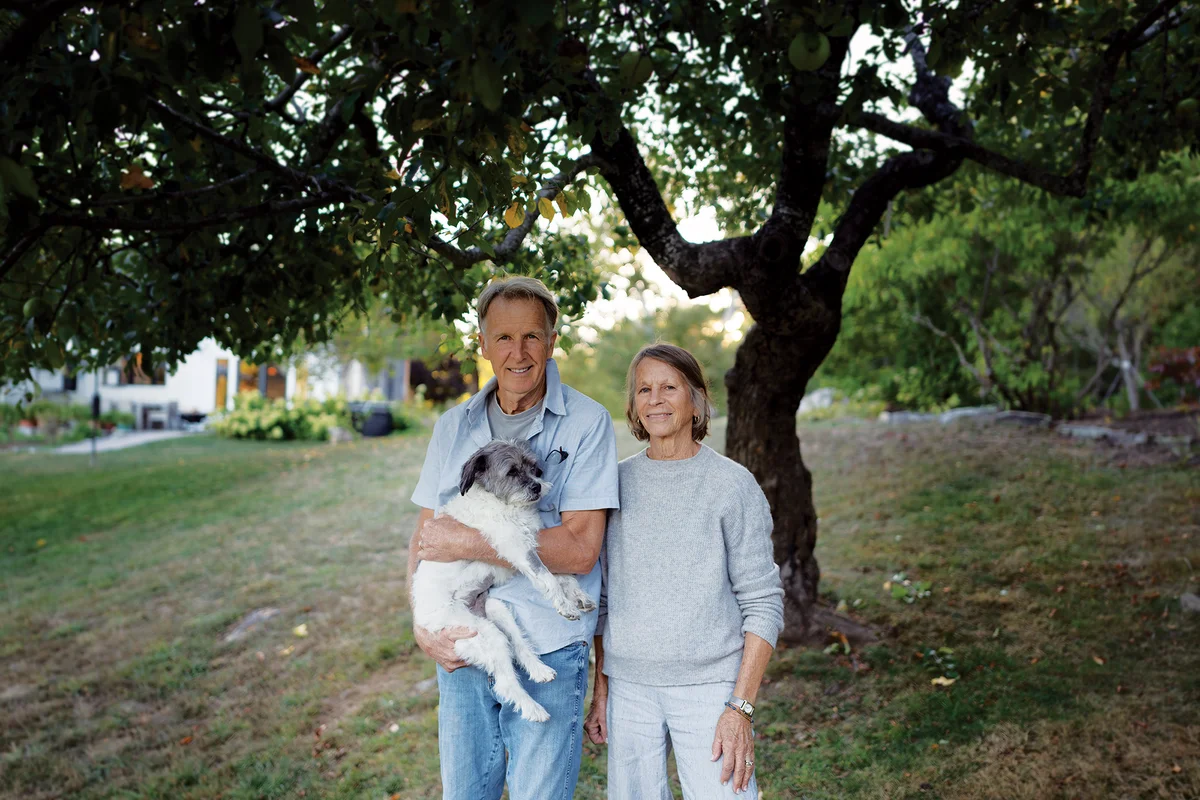
One collaborator, Bjarne Larsen, had given Howard access to a trove of apple genotypes from Denmark, the fingerprints of an orchard of historic cultivars maintained at the University of Copenhagen. Larsen had done his Ph.D. in plant breeding there. Because he had researched them for his book, Larsen could link the genetic proofs of apples’ identities to the historic evidence. One tree in the University of Copenhagen’s collection had an especially interesting story. Larsen believed it was a variety named and described in a French pomological text in 1628. A later account said it was so prized in French farming that trees had been hidden in a botanical garden to protect them when the French Revolution ravaged aristocratic estates. It had once been widely cultivated in Germany and Denmark but had fallen out of favor. It was called Drap d’Or de Bretagne—“Brittany’s cloth of gold.” When the MOFGA sample matched it two years later, Howard and Peace understood immediately what the Maine mystery tree meant: a lost piece of apples’ history, grown in only one location in Europe, had suddenly been discovered in North America—the only known one on that continent (via Scientific American)
He was a world-renowned racecar driver from Macau and also an expert swordsman
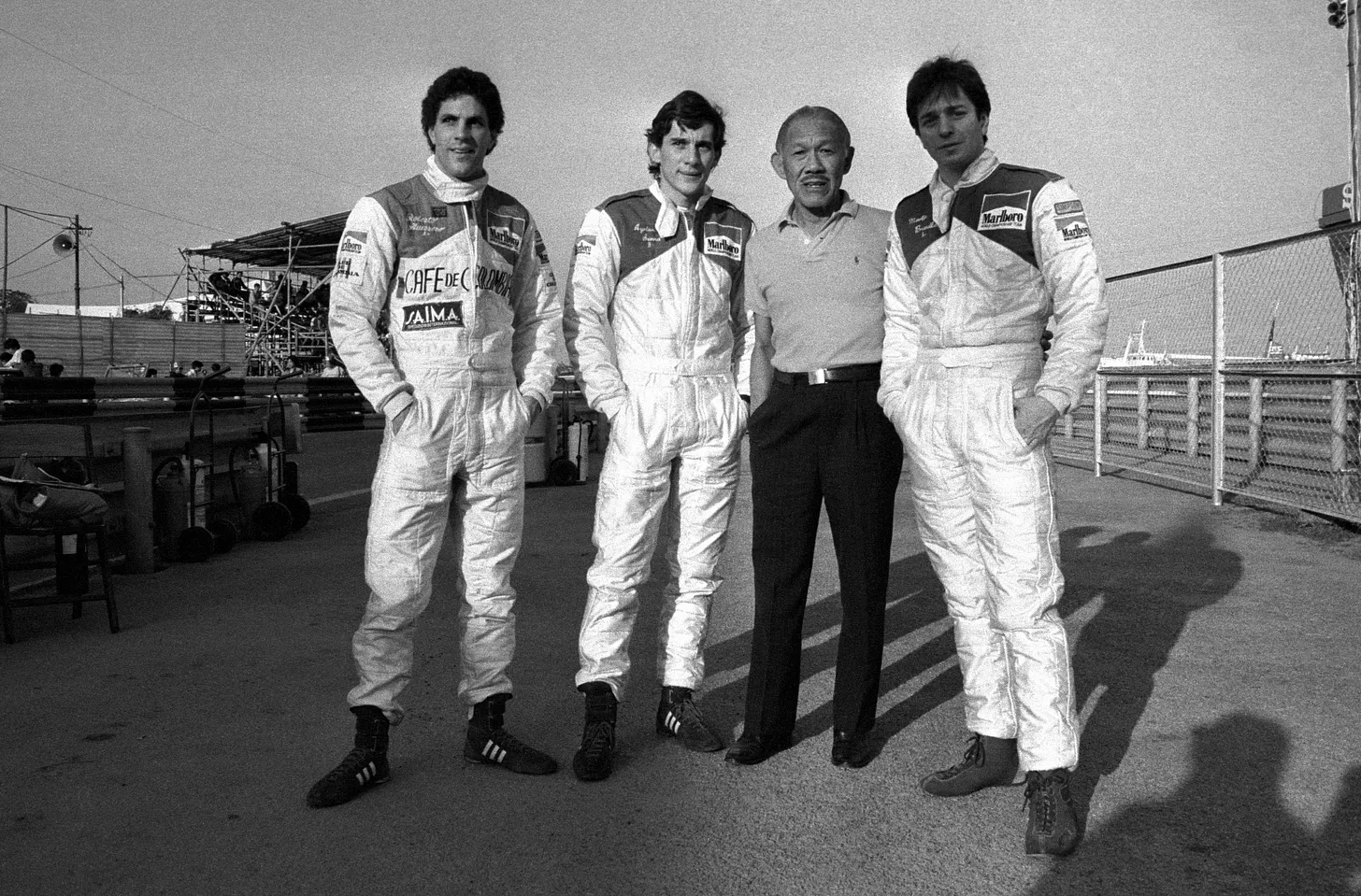
Macau, 1959. When author Ian Fleming landed in this 11-square-mile, Portuguese-controlled city situated on the western bank of China’s Pearl River Delta, the man responsible for James Bond didn’t find a thriving port so much as a seedy cesspool of gamblers, opium traders, prostitutes, hustlers, arms dealers, and shady characters of every imaginable sort. Fleming had come to Ou Mun to research his travel guide, Thrilling Cities. If it was inspiration Fleming sought, he should have visited Teddy Yip instead.Known in his later years as The Grand Old Man of Macau, Yip was a fabulously successful businessman, a legendary swordsman, and a world-renowned racecar driver. He spoke six Chinese dialects in addition to English, German, Dutch, Thai, Malay, and French. A man who “never met a party he didn’t like,” Yip was as comfortable in a hot tub with three-time Indianapolis 500 winner Bobby Unser as he was hosting Henry Kissinger on a yacht. Countless individuals have amassed bigger fortunes than Teddy Yip, but few people enjoyed their riches more. (via Victory Journal)
Canadian inventor Troy Hurtubise tests his grizzly-bear protection suit

Acknowledgements: I find a lot of these links myself, but I also get some from other places that I rely on as “serendipity engines,” such as The Morning News from Rosecrans Baldwin and Andrew Womack, Jodi Ettenberg’s Curious About Everything, Dan Lewis’s Now I Know, Robert Cottrell and Caroline Crampton’s The Browser, Clive Thompson’s Linkfest and Why Is This Interesting by Noah Brier and Colin Nagy. If you come across something you think should be included here, feel free to email me at mathew @ mathewingram dot com