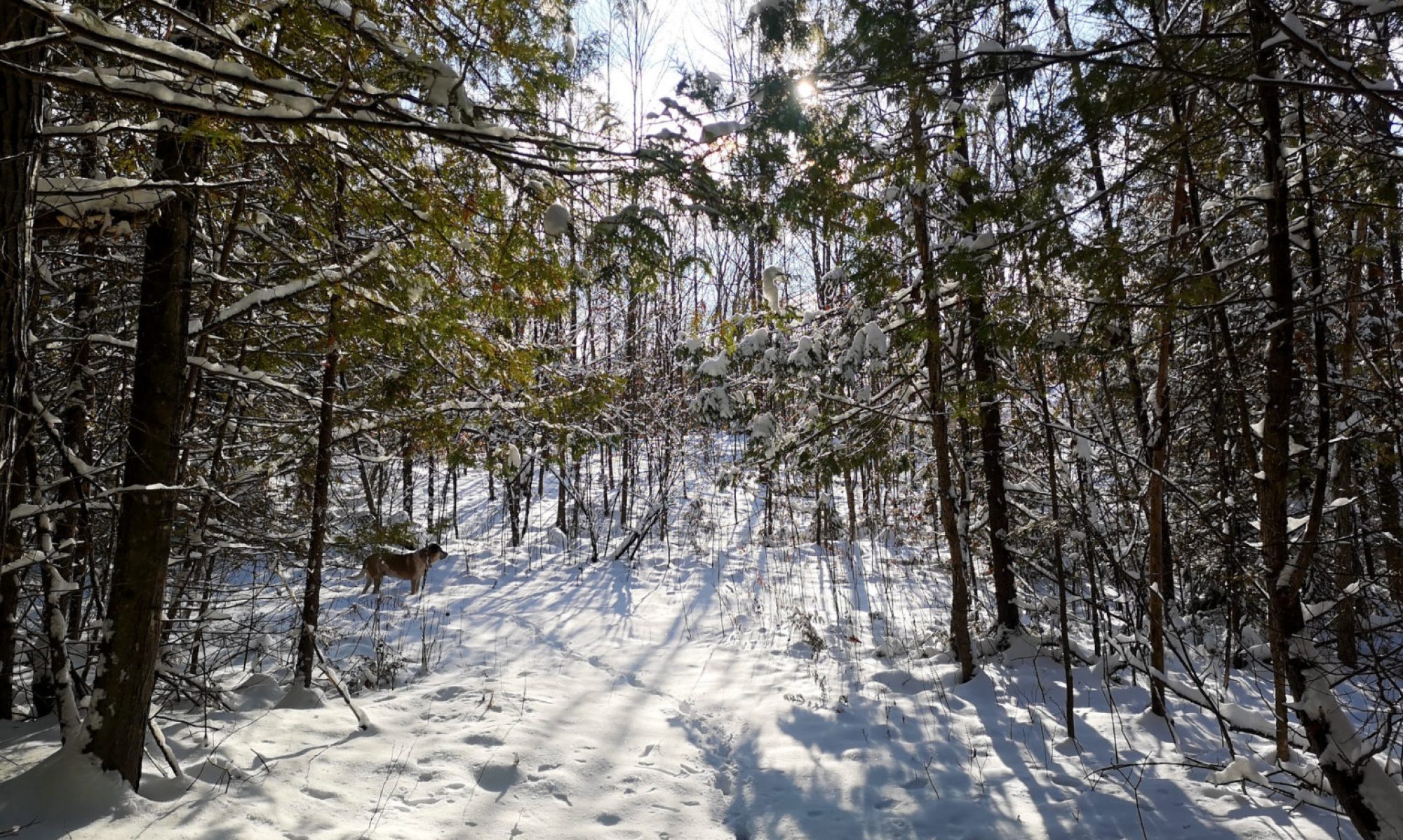

From mulled wine at Christmas to hot cross buns at Easter, nutmeg has become an essential spice in Europe. But its widespread adoption — including in the traditional Dutch breakfast pastry of ontbijtkoek — comes on the back of a sordid history of colonial exploitation. From the seventeenth to the nineteenth century, Dutch cultivation of nutmeg and the related spice mace involved “one of very few historical situations where Asian slaves worked on European-owned farms or plantations,” according to anthropologist Phillip Winn. The Banda Islands, once the world’s only source of nutmeg, were home to between 13,000 and 15,000 people until their conquest by the Dutch East India Company (VOC) in 1621. The roughly 1,000 Bandanese who survived were enslaved alongside other laborers under the perkenier system, where hundreds of workers toiled on each plantation (in Dutch, perk). (via JSTOR Daily)
He restores and installs free-to-use pay phones in Vermont using VoIP
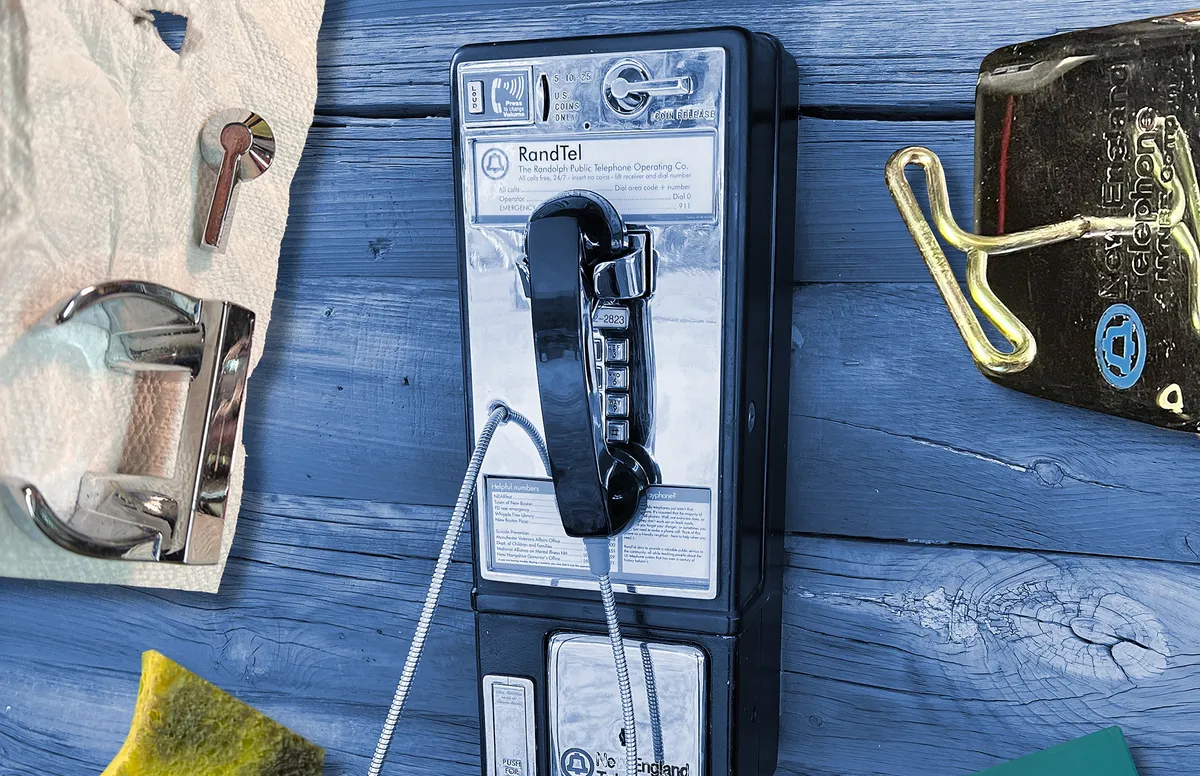
Remember pay phones? Those relics of telecom’s distant past were once everywhere — on many busy street corners, in bars and restaurants, even built into airliners’ seatbacks. Now, an engineer in Vermont is aiming to give the old-fashioned device some present-day relevance. Patrick Schlott, 32, is an electrical engineer by training who works at the South Burlington, Vt.–based eVTOL maker Beta Technologies. Inspired in part by the free-phone projects Futel and PhilTel, he’s restored and installed free-to-use pay phones at over half a dozen locations across Vermont. With Schlott’s phones, users can make coinless calls anywhere in the United States or Canada—with each phone routing its calls through local internet connections via a simple Voice over Internet Protocol (VoIP) gateway. Schlott recently spoke with IEEE Spectrum about the rugged charm of old tech and the joys of reverse engineering. (via Spectrum IEEE)
Note: This is a version of my When The Going Gets Weird newsletter, which I send out via Ghost, the open-source publishing platform. You can see other issues and sign up here.
In the 1930s thousands of people became paralyzed by drinking a concoction called Jake

Jamaica Ginger was a patent medicine used to treat everything from flatulence to upper respiratory infections and menstrual disorders. The extract typically contained 70% to 90% ethanol by weight, which was necessary to keep the ginger oleoresin in solution. Not only did Jake, as it was called, have a kick, as a medicine it was legal to purchase during Prohibition. That was a huge plus for people who couldn’t afford to frequent local speakeasies or buy from a bootlegger. When compared to standard whiskey, which contains 40% to 50% alcohol, a two-ounce bottle of Jake, costing about fifty cents, was a cheap high. Then the government started requiring manufacturers of Jamaica Ginger to include a high concentration of bitter ginger solids to make it too disgusting to drink. Some manufacturers experimented with various substances that would fool government tests and found a cheap industrial plasticizer that was also a powerful neurotoxin. (va Deeanged LA Cme)
Hi everyone! Mathew Ingram here. I am able to continue writing this newsletter in part because of your financial help and support, which you can do either through my Patreon or by upgrading your subscription to a monthly contribution. I enjoy gathering all of these links and sharing them with you, but it does take time, and your support makes it possible for me to do that. I also write a weekly newsletter of technology analysis called The Torment Nexus.
Residents of this Spanish island communicate by whistling and learn how to do so in school
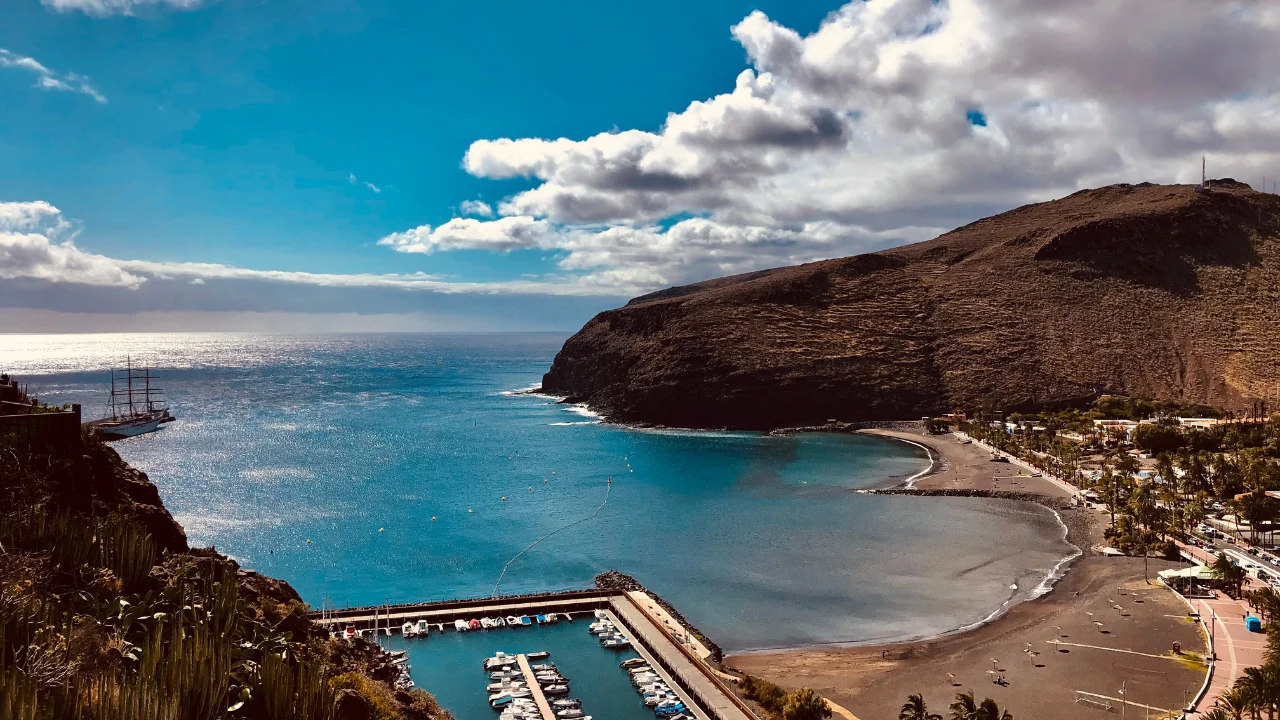
La Gomera sits in the Atlantic Ocean approximately 300 kilometres off the west coast of Morocco. It is small, roughly 380 square kilometres in area, and dominated by an extinct volcanic dome that rises steeply from the sea. The interior of the island is cut by deep ravines called barrancos. For most of the human history of La Gomera, moving between two points on opposite sides of a barranco required a walk of several hours down one side and back up the other, even when the two points were only a short line-of-sight distance apart. The language that developed in response to that geography is called Silbo Gomero. It is not a dialect, and it is not a code. It is a whistled register of Castilian Spanish, in which every syllable of ordinary spoken Spanish is transposed into a whistled tone in which fluent speakers can carry conversations of arbitrary complexity across distances that ordinary speech cannot reach. (via Space Daily)
Sergeant Stubby served with an Army unit in World War I and won two Purple Hearts
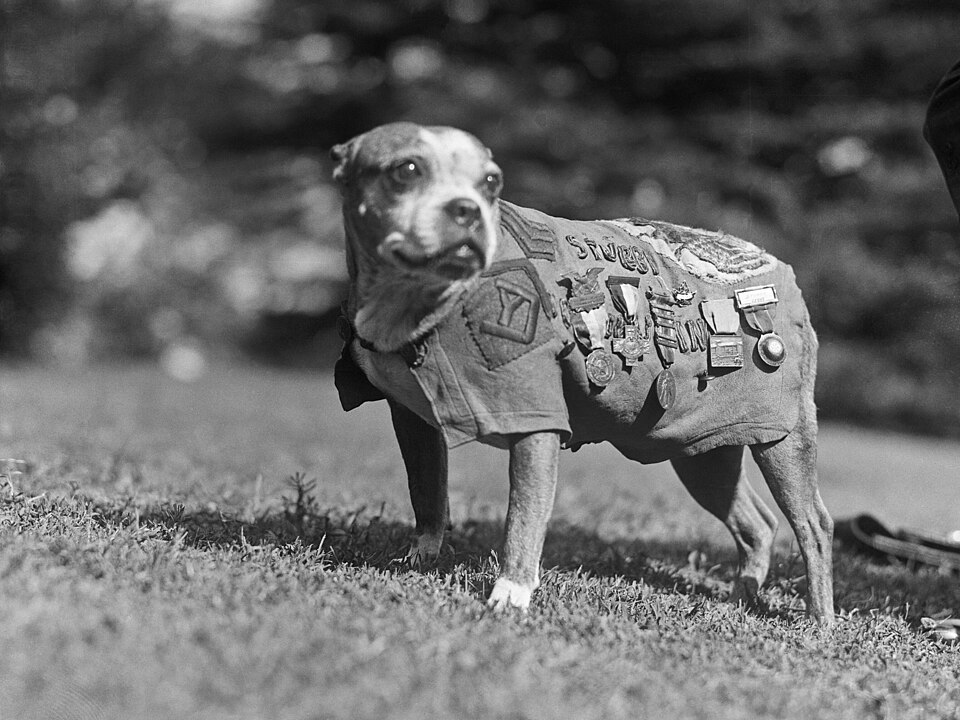
Sergeant Stubby was a dog who was the unofficial mascot of the 102nd Infantry Regiment in World War I and travelled with his division to France to fight alongside the French. He served for 18 months and participated in 17 battles and four offensives on the Western Front. He saved his regiment from surprise mustard gas attacks, found and comforted the wounded, and allegedly once attacked and held a German soldier by the seat of his pants, keeping him there until American soldiers found him. He received many awards including a gold medal, a wound stripe and two purple hearts. Stubby has been called the most decorated war dog of the Great War and the only dog to be nominated and promoted to sergeant through combat. Stubby’s preserved body is on display in the National Museum of American History. Stubby is the subject of the 2018 animated film Sgt. Stubby: An American Hero. (via Wikipedia)
Acknowledgements: I find a lot of these links myself, but I also get some from other places that I rely on as “serendipity engines,” such as The Morning News from Rosecrans Baldwin and Andrew Womack, Jodi Ettenberg’s Curious About Everything, Dan Lewis’s Now I Know, Robert Cottrell and Caroline Crampton’s The Browser, Clive Thompson’s Linkfest and Why Is This Interesting by Noah Brier and Colin Nagy. If you come across something you think should be included here, feel free to email me at mathew @ mathewingram dot com