
I’ve got the morbs
Links that interest me and maybe you

From the Guardian: “The Red Cross and the Vatican both helped thousands of Nazi war criminals and collaborators to escape after the second world war, according to previously unpublished documents. The Red Cross has previously acknowledged that its efforts to help refugees were used by Nazis because administrators were overwhelmed, but the research suggests the numbers were much higher than thought. Gerald Steinacher, a research fellow at Harvard University, was given access to thousands of internal documents, including Red Cross travel documents issued mistakenly to Nazis. They throw light on how and why mass murderers such as Adolf Eichmann, Josef Mengele and Klaus Barbie and thousands of others evaded capture by the allies. Steinacher says Britain and Canada alone inadvertently took in around 8,000 former Waffen-SS members in 1947, many on the basis of valid documents issued mistakenly.”
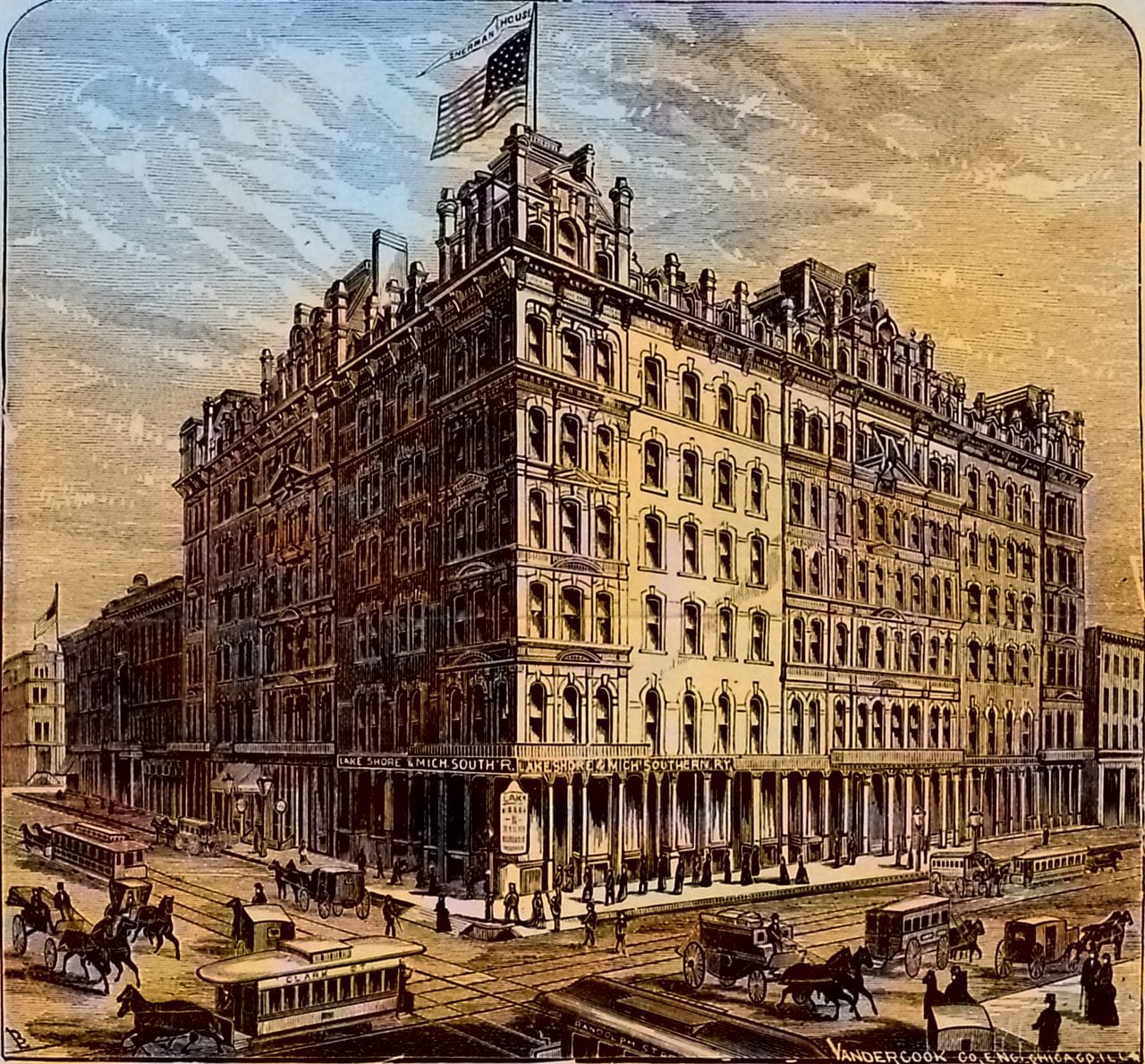
From Atlas Obscura: “In October of 1911, some 400 guests sat down to one of the most pivotal meals of the 20th century. The setting was the Louis XVI room in Chicago’s Hotel Sherman, a luxurious meeting place for the elite that catered to swaggering politicians and mafiosi alike. There, under the cavernous, molded ceilings, the mayor of Chicago, the city’s health commissioner, and other bigwig bureaucrats steeled their nerves for the world’s first-ever “cold-storage banquet.” In his toast, the secretary of the National Poultry, Butter, and Egg Association praised guests’ bravery in trying a meal that relied on nascent technology: “What better example of courage could we have than their presence today, for it took considerable courage in the face of all that has been written in the newspapers to sit down to such a spread.” This was nearly two years before the first commercial refrigerators started appearing in American homes.”
Note: This is a version of my personal newsletter, which I send out via Ghost, the open-source publishing platform. You can see other issues and sign up here.
Continue reading “Red Cross and Vatican helped thousands of Nazis escape”

From Washington Post: “The ball blazed five feet over the goal’s crossbar. Even the team’s security guard couldn’t hide his frustration, kicking the dirt, wondering aloud why Capiatá’s fate had been put in Marset’s hands. Over the next two years, the reasons would become clear. Sebastián Marset, it turned out, was among the most important drug traffickers in South America, and one of the key figures behind a surge of cocaine arriving in Western Europe, according to Latin American, U.S. and European investigators. Instead of hiding from authorities, he had used his fortune to purchase and sponsor soccer teams across Latin America and in Europe. U.S. and South American investigators would learn that he was using those teams to help launder millions in drug proceeds.”

From Aeon: “For the vast majority of human history, people made group decisions through consensus. It is perhaps the most conspicuous feature of political life among recent hunter-gatherer societies, from the Ju/’hoansi to the Aboriginal peoples of Australia to the Indigenous societies of the early Americas. As an anthropologist, I have observed consensus-based decision-making myself among hunter-gatherers in the rainforests of Malaysia. Though the small-world life of hunter-gatherers may seem far removed from our global world, the problems of group life have remained fundamentally the same for hundreds of thousands of years. In the face of conflict and polarisation, ancient human groups needed processes that yielded good outcomes. What can we learn from a political form shaped by hundreds of thousands of years of trial and error?”
Note: This is a version of my personal newsletter, which I send out via Ghost, the open-source publishing platform. You can see other issues and sign up here.
Continue reading “The professional soccer player who was also a cocaine kingpin”


From Wired: “The first picture Neil Armstrong ever snapped from the surface of the moon shows a jettisoned waste bag that may well contain poop. The Apollo crews left a total of 96 bags of waste, including urine and feces, across their six landing sites, which are still sitting there to this day: a celestial reminder that wherever humans go, we bring our shit with us. These bags, sometimes known as the “poo bags,” have been the subject of much interest and speculation since they were deposited on the moon more than 50 years ago. Human feces is packed with microbial life, which means that the moon hosted life on its surface for an unknown period of time after each landing. Learning how long those microbes survived in the extraterrestrial excrement would reveal insights into the mystery of life’s origins on Earth and its potential existence elsewhere.”
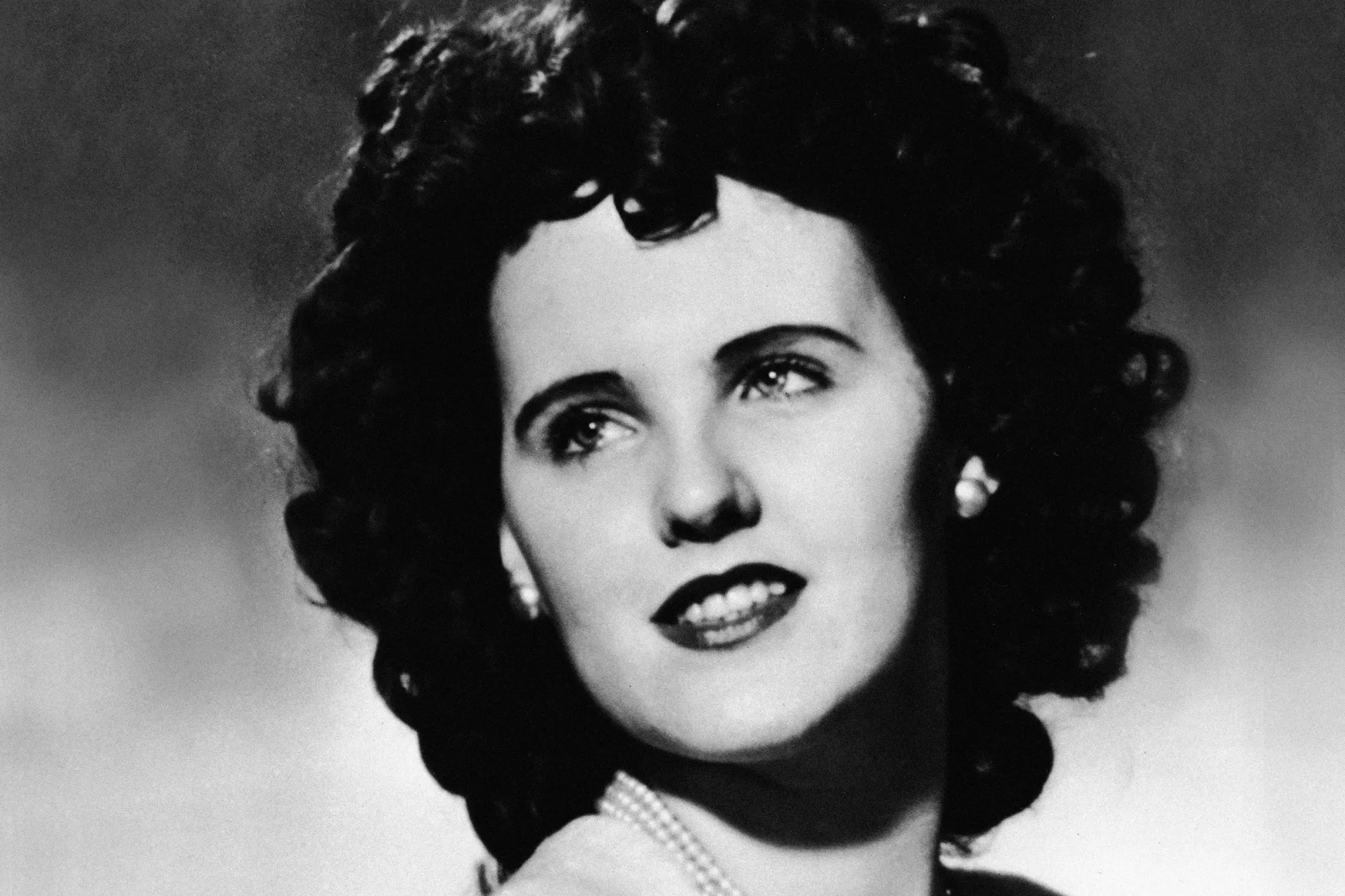
From The Golden Globes: “On January 15, 1947, the mutilated body of a young woman was found in the Leimert Park area of Los Angeles in an empty lot, severed at the waist. According to the Los Angeles Times, she was face up, a few inches from the sidewalk, just north of the middle of the block. Her blue eyes were open, her hands were over her head with her elbows bent at right angles; her knees were straight and legs spread. She was missing her intestines and was slashed across the face from ear to ear. There were cuts and bruises on the body because whole sections of skin had been removed, and the body was drained of blood. A cement bag with blood was found nearby. An autopsy showed she died of a cerebral hemorrhage because of blows to the face. The woman was identified by the FBI as Elizabeth Short, an aspiring actress, whose prints were in the FBI files because she had been arrested for underage drinking in 1943.”
Note: This is a version of my personal newsletter, which I send out via Ghost, the open-source publishing platform. You can see other issues and sign up here.
Continue reading “Life briefly existed on the moon in the form of astronaut poop”

From Now I Know: “After the Manhattan Project came to a close, nuclear weapons testing continued for decades. In 1957, the government detonated 29 bombs in the Nevada desert as part of Operation Plumbbob, hoping to develop better weapons. The researchers dug a 500 foot deep hole, dropped the bomb to the bottom, and blew it up, but the bomb yield was much greater than anticipated – 50,000 times greater. Fire shot hundreds of feet into the air from the mouth of the uncapped shaft. So a one ton iron lid was placed at the top of the shaft in hopes of keeping any flames underground. When the bomb went off, it shot the manhole cover skyward, at incredible speeds. How fast? Dr. Robert Brownlee estimated that the manhole cover was traveling at a speed of at least 125,000 miles per hour, making it easily the fastest-moving object in history.”

From The Telegraph: “Severe autism can be reversed and symptoms reduced to an indistinguishable level, scientists have discovered. Two non-identical twin girls in the US were found to have a level of autism at 20 months old that required very substantial support. A groundbreaking trial saw their parents and a team of medical experts create a bespoke two-year programme of interventions designed to help the children thrive and flourish as much as possible. Scientists say the programme was successful, with both girls undergoing dramatic improvements in the severity of their symptoms. The progress of one of the girls, described only as Twin P, was heralded as “a kind of miracle” by one of the paediatricians. “One of the twins’ symptoms were reversed to the point of being indistinguishable from children who had never had a history of autism symptoms,” said Dr Chris D’Adamo from the University of Maryland.
Note: This is a version of my personal newsletter, which I send out via Ghost, the open-source publishing platform. You can see other issues and sign up here.
Continue reading “The fastest man-made object in history was a manhole cover”


From the Chronicle of Higher Education: “Born in 1874 in Albany, N.Y., Charles Fort started his career as a journalist and aspiring fiction writer until his uncle’s death in 1906 left him with enough money to pursue his paranormal research full time. By then he had already been collecting reports of various anomalies and strange occurrences, living in Manhattan and making regular pilgrimages to the New York Public Library to scour scientific journals and foreign newspapers. He gathered up accounts of frogs and fish raining from the heavens, mysterious disappearances, strange animal mutilations, unexplained flying objects, and anything else that seemed to lie outside the domain of accepted science. Encouraged by the novelist Theodore Dreiser, Fort tried first to string this news of the weird into two books he called X and Y: The first suggested that humans were being controlled telepathically by sinister beings on Mars, the second that there existed a secret malevolent civilization at the South Pole.”
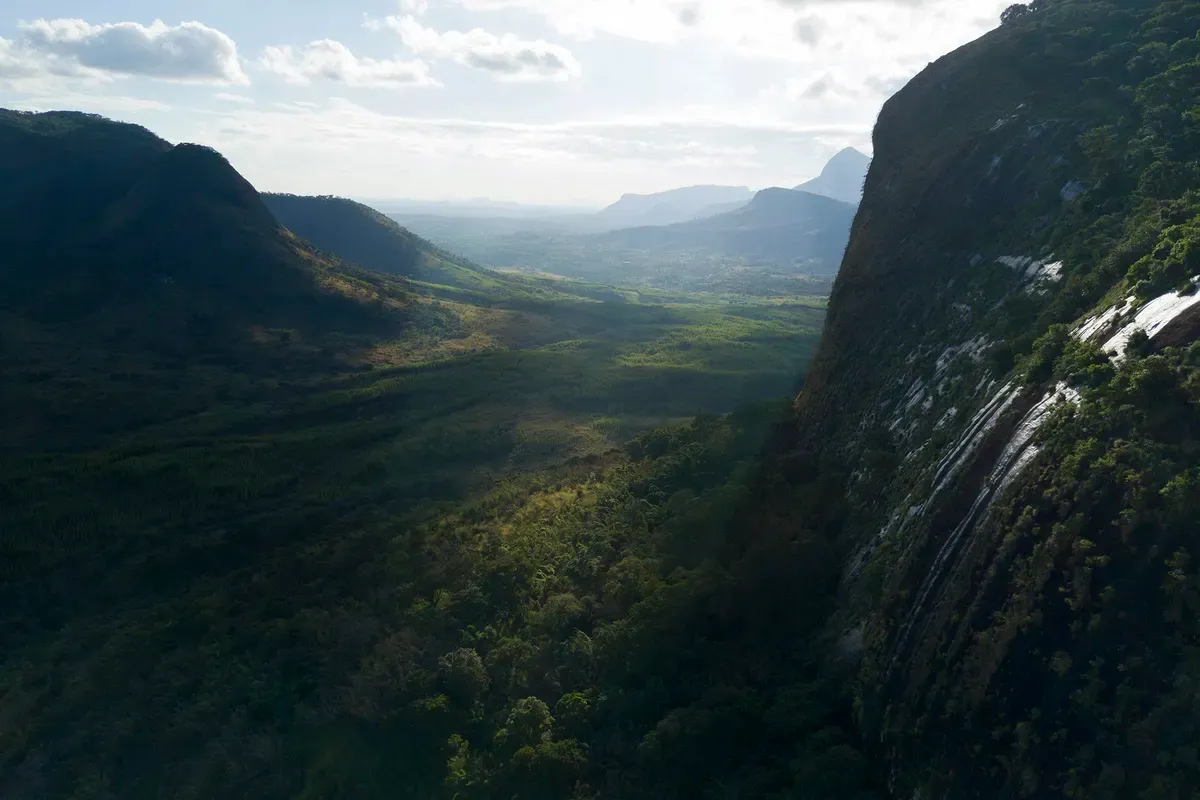
From The Verge: “In 2018, what is left to explore in the world? It seems unlikely, say, that humans might find an untouched forest to study, someplace that hasn’t been bulldozed and burnt and exploited within an inch of its life. But that’s exactly what happened this past spring, when a Welsh researcher, Dr. Julian Bayliss, led a 28-person team that included scientists specially selected for their different talents as well as logistics experts, rock climbers, and filmmakers to the top of a mountain in Mozambique. The story of the Mount Lico expedition began six years ago when Bayliss, a conservation scientist and butterfly expert, happened to spy a small forest atop a mountain using Google Earth. While locals were aware of Mount Lico, its tall, sheer walls meant that it was nearly impossible to access, which made it likely that the land on top was untouched by humans.”
Note: This is a version of my personal newsletter, which I send out via Ghost, the open-source publishing platform. You can see other issues and sign up here.
Continue reading “The scholar who inspired a legion of cranks and crackpots”
From Dorothy Thompson, Harper’s 1941

From The Guardian: “Millions of Britons were forced to drink subpar cups of tea last November due to the record-breaking low pressure caused by Storm Ciarán. The low pressure caused the boiling point of water to drop below the 100C temperature some experts recommend to extract the full flavour from tea leaves. The study by meteorologists at the University of Reading, published in the journal Weather, reported that the water was boiling at 98C on the morning of the storm. For water to boil, the atmospheric pressure must match the vapour pressure of the liquid. On that date, the barometer fell to 956.0 millibars, the lowest pressure recorded since a reading of 952.1 millibars in February 1989. Before that the previous reading as low was more than 200 years ago, when a measurement of 946 millibars was taken in December 1821.”
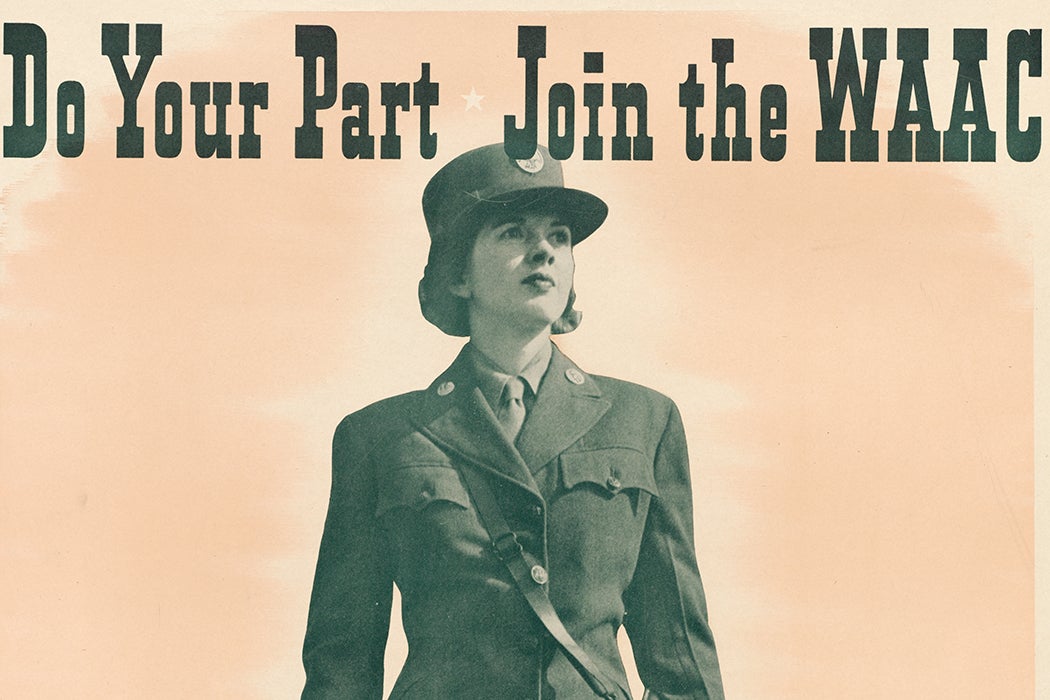
From JSTOR Daily: “During World War II, women were actively involved in Washington DC’s air defense system. Their work was hush-hush and the nation’s capital never came under attack, so their work has largely been forgotten. The Antiaircraft Artillery Volunteers worked as plotters for the Army’s Coast Artillery Antiaircraft Command. They provided real time 3-D visualizations of the region’s air traffic. More than three hundred women volunteered for this work at Bolling Field, located across the Potomac from DC. The second group were some of the “militarized civilians” of the Women’s Auxiliary Army Corps, which was formed in May 1942. They served in a test of mixed female/male anti-aircraft gun crews around Washington, the only known American test of mixed-sex military units during the war. The Pentagon didn’t declassify it until 1968.”
Note: This is a version of my personal newsletter, which I send out via Ghost, the open-source publishing platform. You can see other issues and sign up here.
Continue reading “Storm causes Britain to suffer weaker tea than normal”