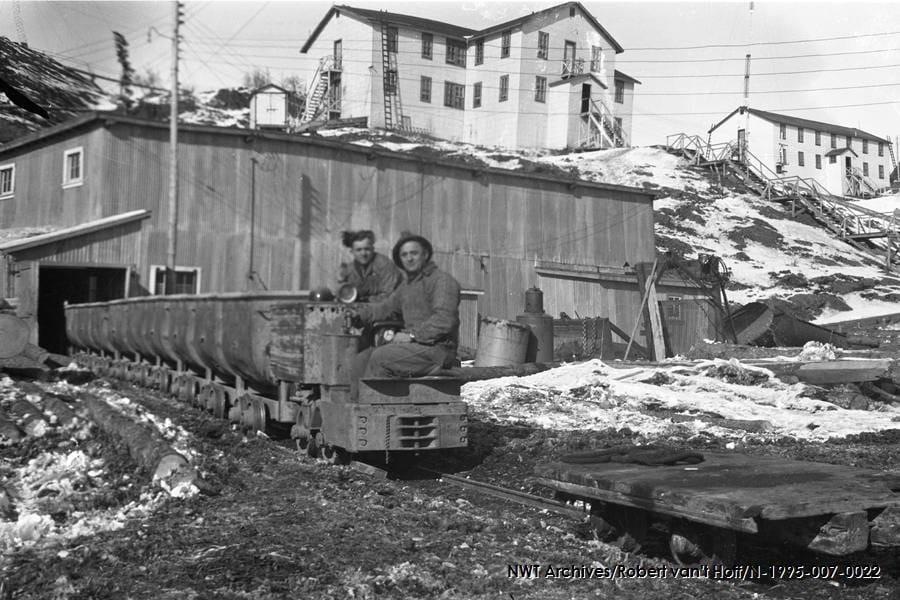

From Andy Greenberg at Wired: “Since war first broke out broke out between Ukraine and Russia in 2014, Russian hackers have used some of the most sophisticated hacking techniques ever seen in the wild to destroy Ukrainian networks, disrupt the country’s satellite communications, and even trigger blackouts for hundreds of thousands of Ukrainian citizens. But the mysterious saboteurs who have, over the past two days, disrupted Poland’s railway system appear to have used a far less impressive form of technical mischief: Spoof a simple radio command to the trains that triggers their emergency stop function. On August 25 and 26, more than 20 of Poland’s trains carrying both freight and passengers were brought to a halt across the country. The saboteurs reportedly interspersed the commands they used to stop the trains with the Russian national anthem and parts of a speech by Vladimir Putin.
Dave the Potter made his mark on history while enslaved in the 19th century
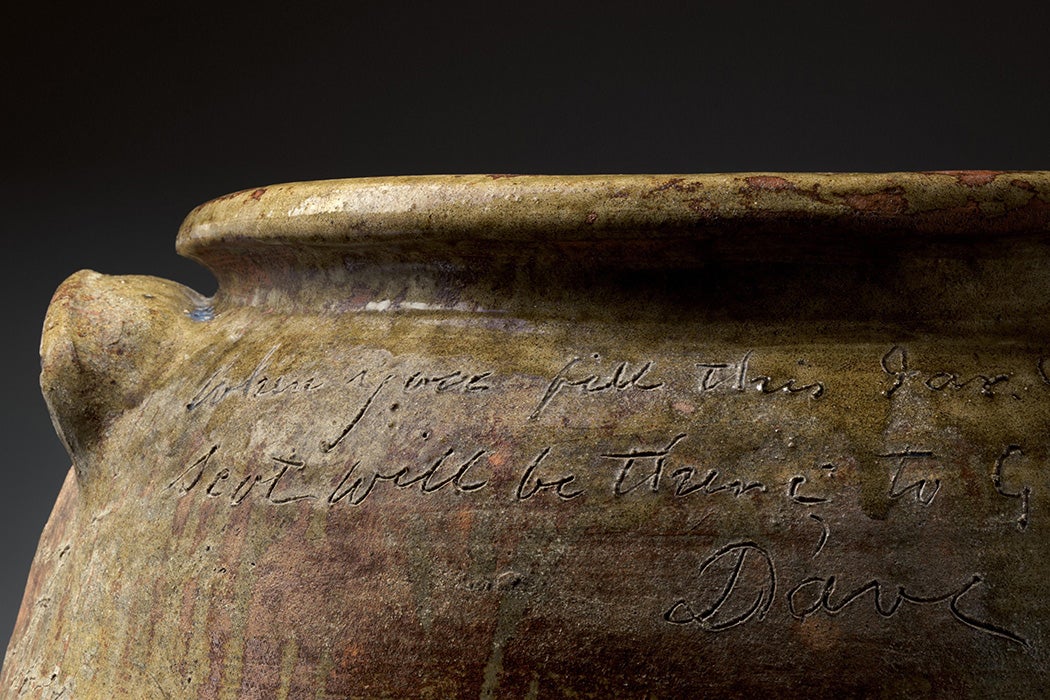
From Sarah Dolezal for JSTOR Daily: “From the trenches of the Antebellum South, enslaved potter David Drake (ca. 1801-1874), otherwise known as “Dave the Potter,” constructed hundreds if not thousands of functional pots while working on plantations and in factories in Edgefield, South Carolina, a region now famous for its ceramics. Dave was heralded for his enormous storage jars and for writing on his pots. Most of the potters at this time, those who were enslaved as well as the white laborers who were not, did not inscribe or mark their work in any identifying way. Dave was different. He signed his name on the walls of his pots. He engraved markings, for example, such as forward slashes and circled X’s that may have been a way to keep inventory, or that hearkened to ancestral roots. Dave also wrote dates, the location where he fashioned the pots, lines of poetry, and Christian proverbs. All of these practices set him apart.”
Note: This is a version of my personal newsletter, which I send out via Ghost, the open-source publishing platform. You can see other issues and sign up here.
Continue reading “The cheap radio hack that disrupted Poland’s railway system”