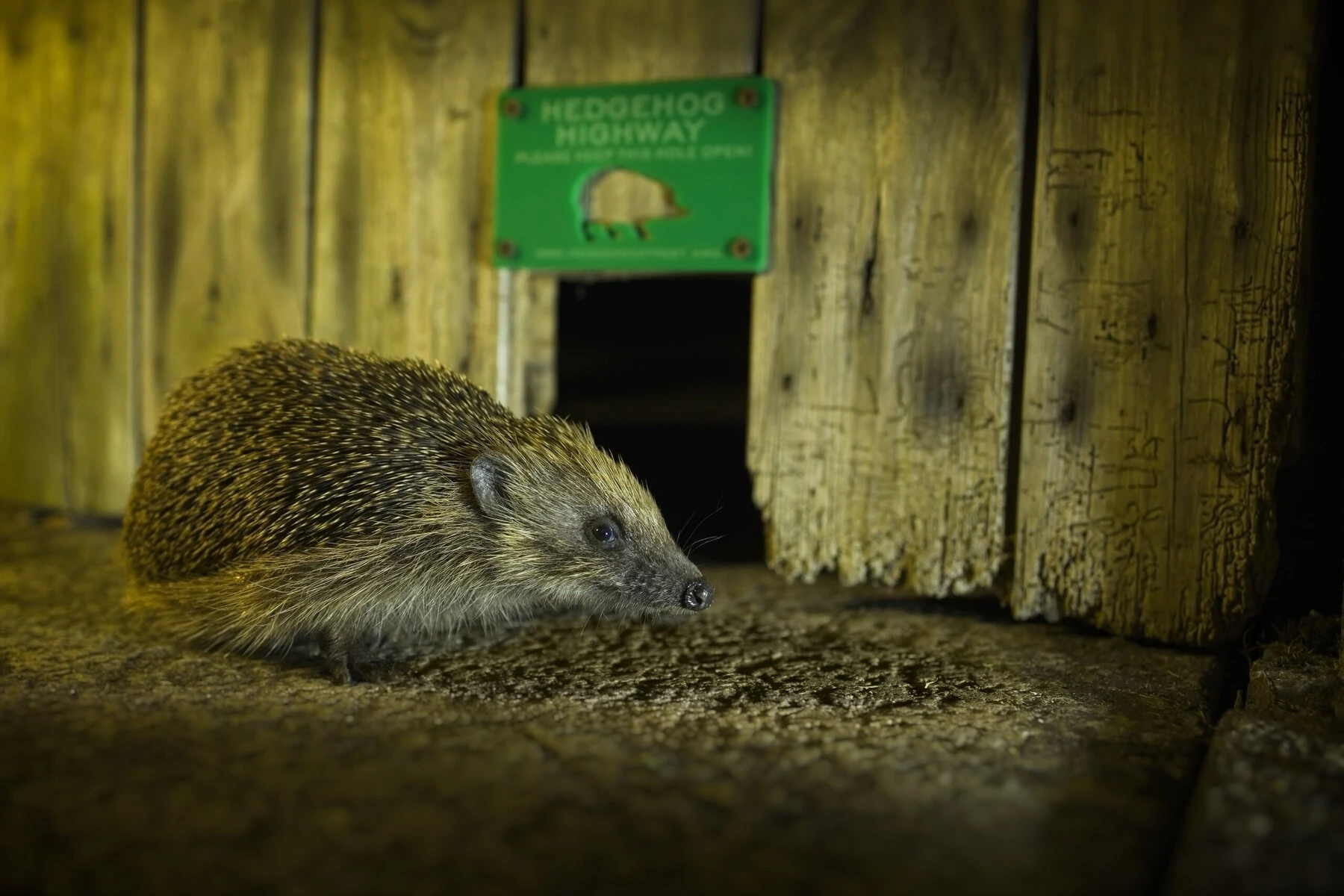

From the BBC: “A young boy was found alive after surviving five days in a game park inhabited by lions and elephants in northern Zimbabwe, according to a member of parliament in that country. The ordeal began when Tinotenda Pudu wandered at least 23 km (14 miles) from home into the “perilous” Matusadona Game Park, said Mashonaland West MP Mutsa Murombedzi. He spent five days “sleeping on a rocky perch, amidst roaring lions, passing elephants, eating wild fruits”, she said. Matusadona game park has about 40 lions. The Zimbabwe Parks & Wildlife Management Authority confirmed the incident to the BBC but said the boy walked 49 km (30 miles) from home. Murombedzi said the boy used his knowledge of the wild and survival skills to stay alive.”
There are unexploded rocket-launched grenades on the moon
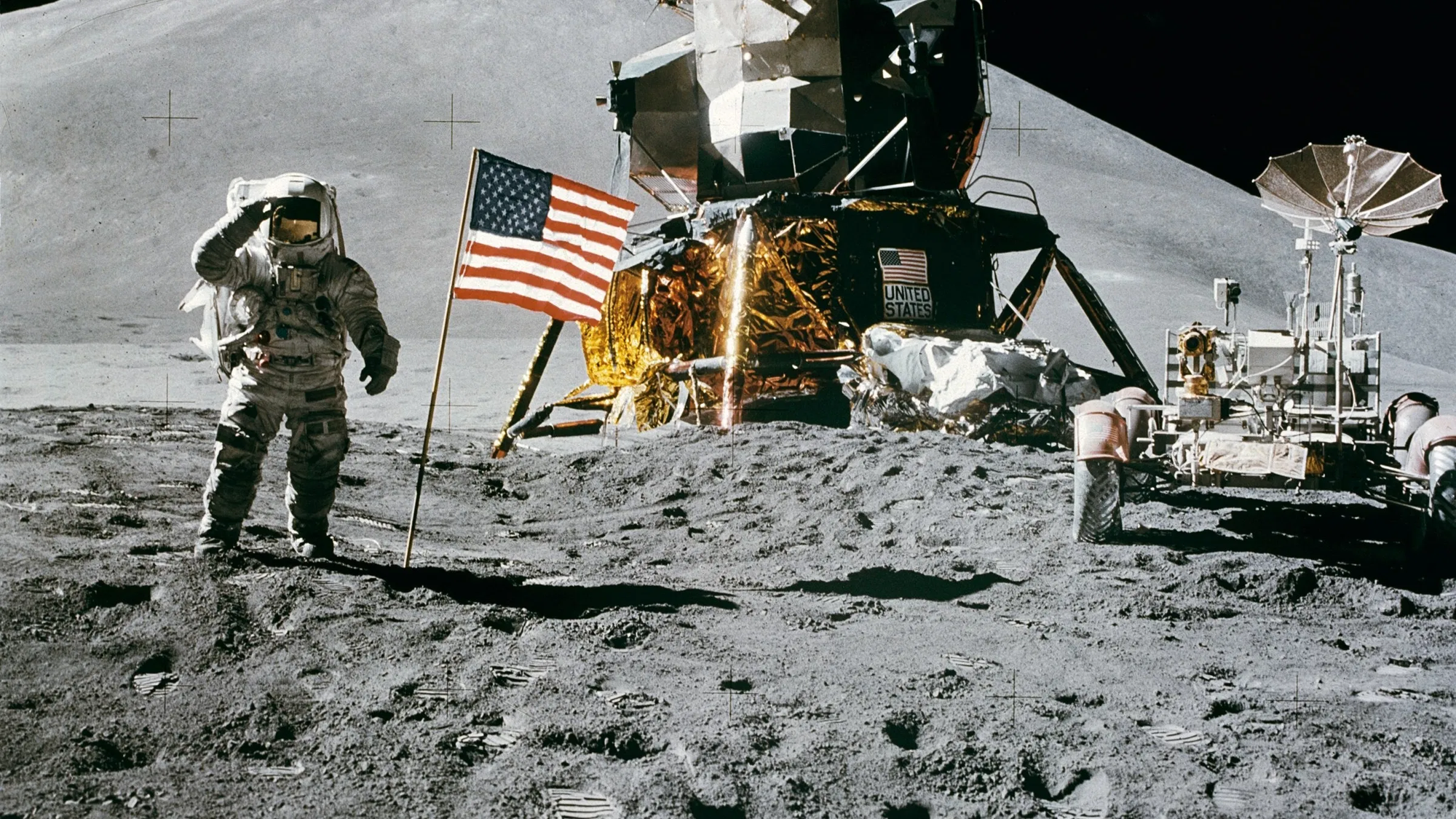
From Standing Well Back: “It may seem bizarre, but rocket propelled Ggenades were taken to the moon on a couple of the Apollo missions to the moon in the 1970s. Three were fired, and five were abandoned. So there is an interesting EOD task outstanding on someone’s operational docket for a future mission. One of the ambitions of the Apollo project was to understand the geology of the Moon. Accordingly, a number of passive and active seismic experiments were planned. For one, a number of rocket propelled explosive devices containing varying amounts of explosives were used, and the launch initiation was radio-controlled, with the impact causing the detonation when they struck the moon. In much of the documentation the system is called a mortar but elsewhere the charges are referred to as rocket propelled charges or grenades.”
Note: This is a version of my When The Going Gets Weird newsletter, which I send out via Ghost, the open-source publishing platform. You can see other issues and sign up here.
Continue reading “A 7-year-old boy survived for five days in a wild game park”